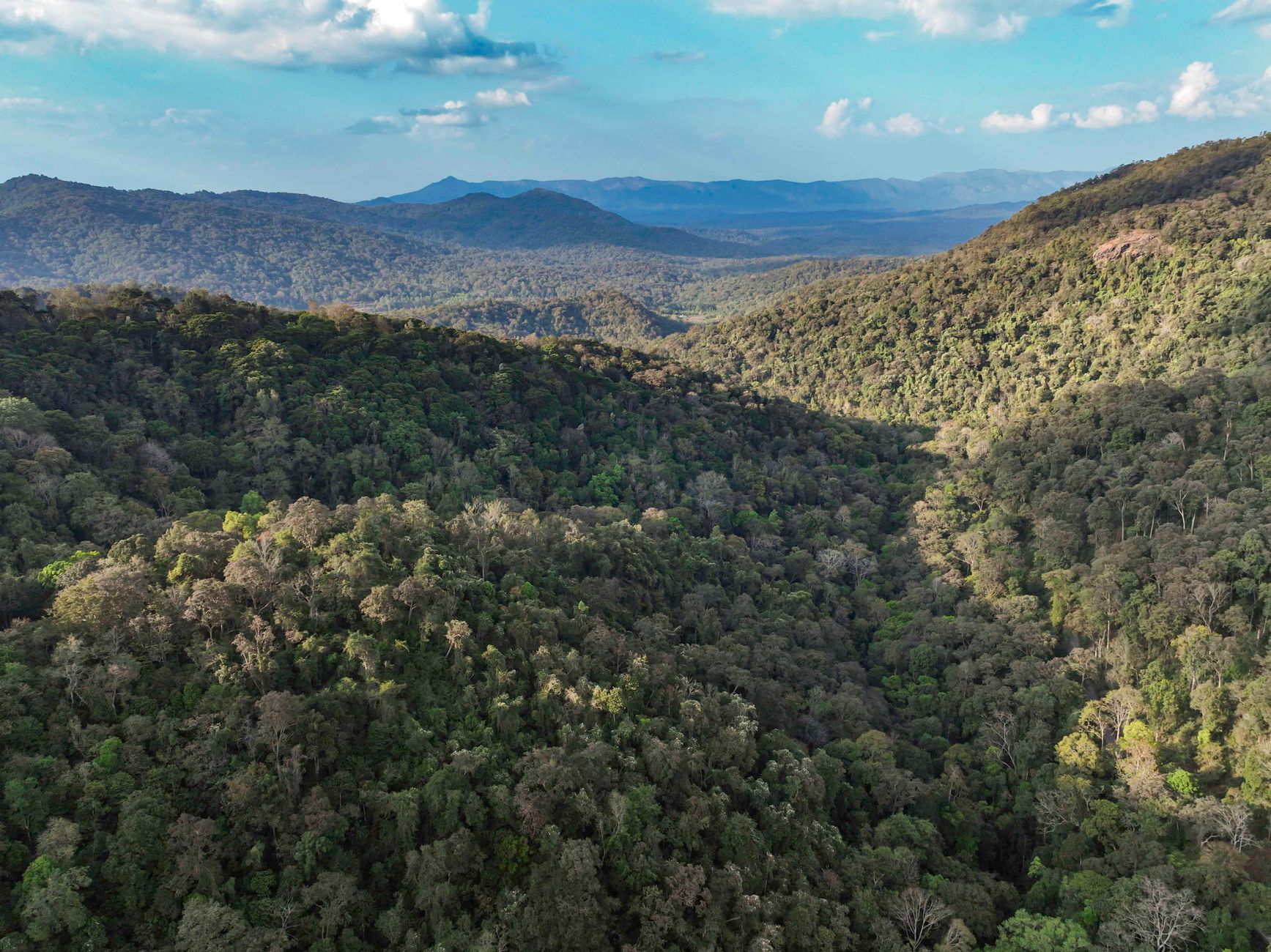
Heritage Resort Coorg: Character, Culture and Comfort in the Coffee Country
Heritage resorts in Coorg occupy a particular niche in the region's accommodation landscape—they're properties that foreground authentic connection to the land, local customs, and architectural history rather than corporate standardisation. Unlike contemporary resort chains, these places tend to sit within or adjacent to working coffee estates, preserve older building styles reflective of Coorg's colonial past, and employ staff deeply rooted in Kodava culture. They're destinations themselves, not merely functional places to sleep between outings.
The experience differs fundamentally from commercial resorts. You'll find yourself in spaces where the architecture reflects something genuine about how people lived here—steep-pitched roofs designed for heavy monsoon rainfall, verandahs that remain the social heart of plantation life, kitchens where spice combinations tell stories of Kerala and Karnataka's cultural meeting point. Many include working coffee estates where you can participate in harvesting during the season, learn processing methods directly from farmers, and understand the economic reality that shapes daily life across Coorg's hills.
What defines a heritage resort in Coorg?
Authenticity here means several specific things. The buildings themselves carry history—converted plantation bungalows, restored traditional Kodava houses, or older structures adapted sensitively rather than demolished and rebuilt. Staff are frequently members of Kodava communities or people with decades of connection to these estates. Daily rhythms follow the agricultural calendar and local festivals rather than standardised corporate timetables. Meals draw from genuine regional cooking traditions, incorporating ingredients grown on the property and techniques passed through families rather than culinary trends.
Related: Bangalore to Sakleshpur Distance: Route, Travel Time & Best Ways to Go
Related: Mysore Dasara: A Complete Guide to Karnataka's Greatest Festival
Related: Hotel Rooms in Coorg Karnataka: Types, Booking Tips & What to Expect
These resorts tend to be smaller operations—rarely more than 20–30 rooms—which fundamentally shapes the experience. You're not navigating through lobbies with crowds; you're moving through spaces where the proprietors know your name and preferences by the second day. This scale also means genuine attention to sourcing local goods, supporting surrounding communities through employment and supply chains, and maintaining the environmental sensitivity that the region demands.
How does a heritage resort experience differ from conventional resorts?
Conventional resorts in Coorg—and they're plentiful—prioritise amenities lists: multiple restaurants, swimming pools, conference facilities, gym equipment, standardised room configurations. They're professionally managed but rarely place emphasis on regional character or cultural immersion. You could be in Kerala, Tamil Nadu, or Himachal Pradesh; the experience would feel fundamentally identical.
Heritage resorts reverse this emphasis. The focus is on what makes Coorg specifically itself—the particular way mist clings to coffee plants at dawn, the specific flavour profiles of Kodava cuisine prepared with ingredients from surrounding estates, the actual stories of the families and communities who built and maintain these properties. Amenities exist, but they're secondary. You're paying for atmosphere, authenticity, and access to genuine understanding of how people live here, not for a tick-box list of facilities.
The practical consequence is that heritage resort stays are often less comfortable in certain ways. Rooms might lack air conditioning (many remain pleasantly cool through altitude and ventilation design), hot water might rely on solar systems, and WiFi connectivity may be intermittent—features of genuine integration with local infrastructure rather than bugs. Simultaneously, they're more comfortable in the ways that matter: the comfort of genuinely good food, of being in spaces with character, of interacting with people who care about your experience beyond shift completion.
What activities and experiences are typical?
Unlike conventional resorts where activities feel scheduled and separate from daily life, heritage resorts integrate you into actual functioning landscapes. Coffee plantation walks become genuine learning experiences when accompanied by estate workers who can explain soil conditions, processing variations, and economic pressures affecting coffee farming. During harvest season (roughly September through November), many properties invite guests to participate in picking—it's physically demanding and reveals quickly why the work commands respect.
Birdwatching and forest walks happen here with deeper context. These aren't abstract nature experiences but engagement with specific ecosystems that Coorg's communities depend upon and have managed for generations. Local guides frequently have family connections to surrounding villages and can explain how agriculture, forestry, and wildlife coexist—imperfectly but deliberately—across the landscape.
Cooking classes in heritage resort kitchens differ from resort-branded versions elsewhere. You're learning from cooks who've prepared the same dishes since childhood, using techniques that reflect precise regional preferences. The distinction between Kodava cooking and broader South Indian cuisine becomes clear when you understand how liberal use of pork, the specific spice combinations, and reliance on particular ingredients mark this culture's distinct identity.
Many heritage resorts facilitate village visits and interactions with surrounding communities—not performed tourism but actual connections to local schools, cooperatives, or artisan groups. This works best when properties are long-established and genuinely embedded in local relationships rather than seeking to capitalise on cultural tourism.
What should you expect from the accommodation itself?
Room design in authentic heritage properties reflects the climate and architectural traditions that shaped Coorg before air conditioning and global hotel standardisation. High ceilings (sometimes 14–16 feet) allow hot air to rise and exit naturally. Deep overhanging eaves and verandahs provide shade and shelter during monsoons. Natural materials—wood, stone, clay tile—regulate temperature and humidity without mechanical systems.
This means rooms genuinely are cooler during the day and retain warmth during cold season nights—particularly pleasant at Coorg's altitude where temperatures drop substantially. It also means less reliance on electricity, which carries practical benefits during the power cuts that occasionally affect rural Karnataka.
Bathrooms are typically functional rather than elaborately appointed. Hot water comes from solar systems, which work reliably in Coorg's climate but follow sunrise/sunset rhythms. Furnishings are often period-appropriate—furniture reflecting the era when the building was constructed—rather than contemporary resort design vocabulary.
The environment outside the room is where character concentrates. Verandahs become genuine living spaces where you linger with coffee and conversation. Gardens planted with spice plants and fruit trees provide visual continuity between the built structure and surrounding landscape. Common dining areas maintain the social function they held in plantation life—places where guests and staff interact naturally rather than sequestered service zones.
How to choose a heritage resort that suits your expectations
Begin by distinguishing between genuinely heritage properties and newer constructions styled to appear heritage-like. Authentic ones have documented history—you can verify when the building was constructed and what its previous purpose was. The proprietors can speak specifically about architectural decisions, materials sourcing, and community relationships.
Consider your practical priorities. Are you seeking relative comfort and convenience (many heritage resorts deliver this while maintaining character) or are you prepared for a more immersive but occasionally challenging experience (removing the filter between yourself and how places actually function)? Neither is better; they're different choices.
Read recent guest feedback specifically noting whether people describe genuine engagement with place and community, or whether descriptions sound like standard resort experiences. Look for proprietor responses to feedback that demonstrate actual investment in guest experience rather than template replies.
Consider timing around Coorg's seasons and events. The monsoon period (June through September) offers the landscape at its most dramatic and the experience of living through the weather that shapes local agriculture. Post-monsoon (October, November) brings clarity, comfort, and the coffee harvest season. Winter (December through February) is temperate and busy; summer (March through May) is warmer but less crowded.
FAQ
What's the best time to visit a heritage resort in Coorg? October through November offers ideal weather—cooler temperatures, clear skies, and the coffee harvest season provides genuine engagement with estate work. June through September delivers dramatic monsoon landscape but requires comfort with rain, limited visibility, and occasional power disruptions. December through February is popular and pleasant but more crowded.
Do heritage resorts provide modern amenities like good internet and mobile coverage? It varies significantly. Most heritage properties have mobile coverage (though sometimes only specific network providers work reliably), and many offer WiFi in common areas. Individual rooms are often offline by design. Hot water, plumbing, and electricity work reliably at established properties, though systems remain more basic than commercial resorts.
Are heritage resorts significantly more expensive than standard resorts? Not necessarily. Heritage properties occupying smaller scale with fewer standardised amenities often price similarly to commercial resorts, sometimes lower. You're paying for atmospheric and cultural value rather than facility abundance. Extremely exclusive heritage properties naturally command premium pricing.
Can you arrange transportation and guides through heritage resorts? Yes, established properties coordinate trekking guides, plantation tours, village visits, and transport to nearby attractions. These arrangements typically benefit from local staff relationships and proprietary knowledge that enhance experiences compared to booking independently.