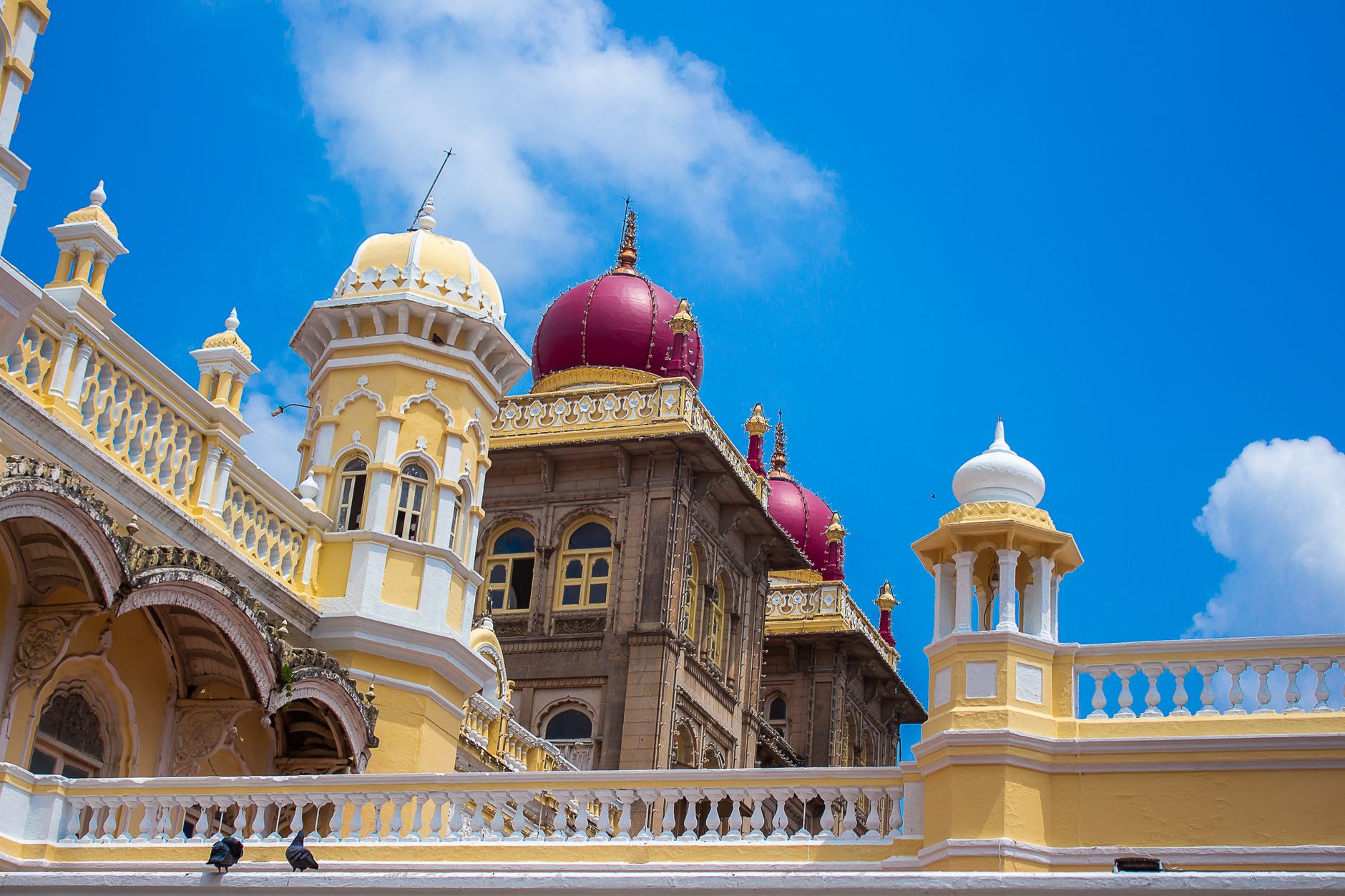
Mysore Dasara is Karnataka's most magnificent festival—a nine-day celebration where the iconic Mysore Palace blazes with thousands of lights, decorated elephants parade through streets, and centuries-old traditions come alive. Whether you're seeking cultural immersion, visual spectacle, or spiritual connection, Dasara offers something transformative.
What exactly is Mysore Dasara?
Dasara (also spelled Dussehra) celebrates the victory of the goddess Durga over the buffalo demon Mahishasura—symbolising triumph of good over evil. Mysore's version is uniquely grand: the city shuts down for nine days of festivities centred on the palace, with processions, cultural programmes, and celebrations reaching fever pitch on the final Vijayadashami day.
The festival dates shift annually with the lunar calendar but typically fall in September or October. In 2026, Dasara runs from 9–18 October. Check exact dates locally as they're determined by the Hindu calendar.
Related: Celebrity Hotels and Suites in Bangalore: Luxury Stays for Discerning Guests
Related: Serviced Apartments in Bangalore for Monthly Corporate Stays: Best Options and Costs
Related: Mysore Dasara with Family: A Practical Day-by-Day Plan
When should you visit for Dasara?
Best time: Mid-September through October, during Dasara itself. The festival transforms Mysore into something magical—the palace illuminations alone justify the trip. Early October offers warm but manageable weather, though crowds peak during the final weekend and Vijayadashami day.
Practical consideration: October lies between monsoon and dry season. Humidity is moderate, temperatures range 25–32°C, and rainfall is minimal. This is optimal weather-wise, though crowds are substantial.
Avoid: Late September can still be damp from monsoon activity. November onwards sees the palace less ornately lit and fewer cultural programmes.
What are the key events?
Palace illuminations (9–18 October daily): The Mysore Palace is outlined in approximately 97,000 bulbs. The spectacle begins at dusk. Arrive by 6 PM for good viewing positions without overwhelming crowds; by 8 PM the palace grounds are packed shoulder-to-shoulder.
Dasara procession: Held on the penultimate or final day, this parade features decorated elephants, tableaux depicting mythological scenes, and cultural performances. It processes from the palace towards Bannimantap grounds. Procession routes are announced locally; viewing spots fill early in the morning.
Vijayadashami celebrations: The festival's tenth day (Vijayadashami) is climactic—additional ceremonies at the palace, special pujas, and the grandest procession. This day draws the largest crowds.
Dasara exhibition: Running throughout the nine days at the palace grounds and surrounding areas, this showcases local crafts, food, agricultural products, and cultural displays. It's less crowded than evening palace visits and offers genuine insights into Karnataka's artisanal heritage.
Torch light parade and cultural performances: Various venues host classical dance, music, theatre, and religious recitations. Check with the Mysore District Administration's official website for detailed schedules—these programmes shift yearly.
How do you experience it practically?
Getting there: Mysore is 140 km from Bangalore. Train services operate regularly (2–3 hours); road travel by bus or car takes 2.5–3 hours depending on traffic. Booking transport in advance during Dasara is essential.
Accommodation: Book 4–6 weeks ahead. Mysore's hotels range from budget guesthouses to heritage properties. The city centre is walkable; staying near the palace (Chikhalwadi area) reduces travel time to events but attracts noise and crowds.
Viewing the palace illuminations: Entry to the palace grounds during Dasara costs approximately ₹100–150. Arrive early (5–5.30 PM) to secure a viewing spot. Photography is allowed; tripods may be restricted. Avoid the absolute final day (Vijayadashami) unless you have exceptional patience—crowds are intense.
Witnessing the procession: Procession routes are published locally. Stand along the route by 7–8 AM; official grandstands may have ticketed seating (check locally). Bring water, sun protection, and patience—processions can take 1–2 hours to pass a fixed point.
Exploring the exhibition: Visit mid-morning (9–11 AM) or late afternoon (4–6 PM) to avoid mid-day crowds. Expect traditional sweets, handicrafts, and local cuisine. Food stalls often have queues; try local Mysore specialities like Mysore pak and uppittu.
Comparing Dasara with other seasons
Dasara vs. visiting Mysore outside the festival: Outside Dasara (November–August), Mysore is quieter, easier to navigate, and offers more peaceful palace exploration. However, the palace lacks its spectacular nighttime illumination, and the city feels less vibrant. Dasara is the city at full cultural intensity—trade crowded conditions and higher costs for unmatched sensory richness.
Monsoon (June–September) concerns: Early October can inherit monsoon dampness. Electricity supply is reliable, so illuminations proceed regardless, but wet grounds and slippery pavements complicate viewing. Mid-October onwards provides cleaner weather.
Practical tips for comfort
- Wear comfortable walking shoes; you'll cover 2–4 km daily exploring festival venues.
- Bring a portable phone charger; network congestion is severe during peak hours.
- Stay hydrated. October heat is deceptive; water bottles are essential.
- Lightweight, breathable clothing works best; avoid overly casual attire if visiting temples.
- Book meals at established restaurants in advance rather than relying on street food queues, particularly if you have dietary restrictions.
- Plan at least 2–3 full days to experience illuminations, processions, and the exhibition without rushing.
Why Dasara specifically matters
Mysore's Dasara isn't merely a local festival—it's recognised as one of India's most authentic cultural celebrations, earning UNESCO Intangible Cultural Heritage recognition. Unlike commercialised versions elsewhere, Mysore's event remains rooted in tradition, genuine religious observance, and the city's royal heritage. The palace isn't a backdrop; it's the living centre of a nine-day spiritual and communal renewal.
For first-time visitors to Karnataka, Dasara offers concentrated cultural immersion impossible to achieve in standard tourism. You'll witness how communities still honour ancient traditions, how architecture and spirituality intertwine, and why this region's festivals define South Indian identity.
FAQ
Q: What are the exact 2026 Dasara dates? A: Dasara 2026 runs from 9–18 October, with Vijayadashami (the climactic day) on 18 October. These dates are lunar-based; confirm locally closer to the event as minor adjustments can occur.
Q: Can I visit the Mysore Palace outside Dasara festival hours? A: Yes, the palace offers daytime tours year-round with regular entry fees (approximately ₹60–80). However, the nighttime illuminations—the festival's visual centrepiece—only occur during Dasara, typically 6–9 PM daily.
Q: Is Dasara too crowded for elderly visitors or young children? A: Dasara attracts 1–2 million visitors across nine days. The peak final weekend and Vijayadashami day are extremely crowded. Early-festival days (9–12 October) are somewhat calmer. Plan daytime exhibitions and quieter venues for vulnerable visitors; evening palace viewing is physically demanding.
Q: What's the best photography time for palace illuminations? A: Dusk (6–7 PM) offers the most balanced light; full darkness (8–9 PM) shows the bulbs most brilliantly but requires good camera equipment. Arrive by 5.30 PM to secure foreground positions before crowds deepen.