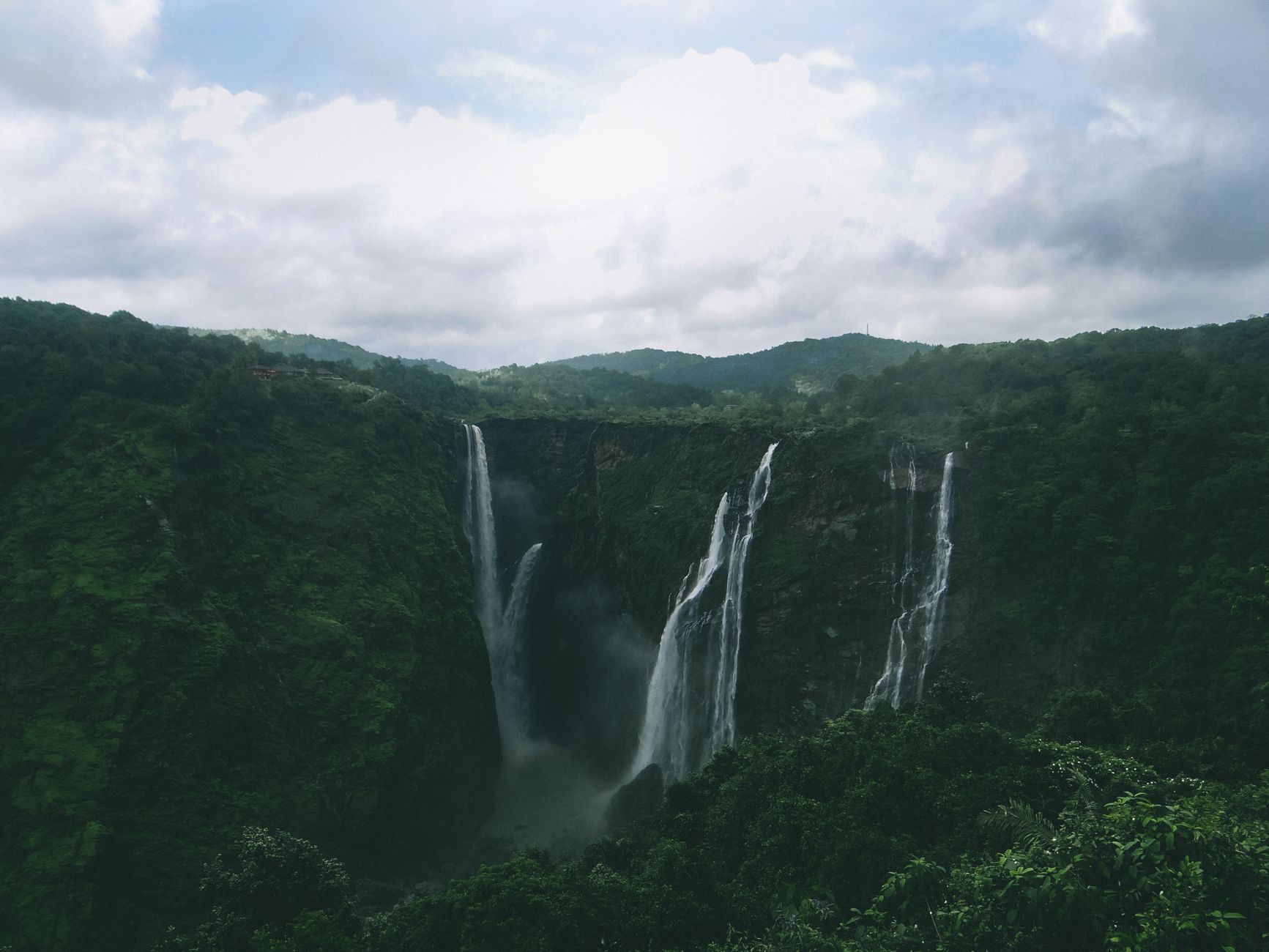
Hadlu Waterfalls Guide: Trekking, Best Time & Local Tips
Hadlu waterfalls is a moderately challenging trek through dense Western Ghats forest, best visited between November and May when water flow peaks and conditions allow safe passage. The 3–4 hour round trip descends roughly 400 metres through coffee plantations and evergreen canopy to reach a tiered cascade that flows into a natural pool ideal for swimming in cooler months.
Where is Hadlu Waterfalls and How Do You Get There?
Hadlu waterfalls sits in the Kodagu district, roughly 15 kilometres northwest of Madikeri town. The nearest gateway is Madikeri itself, connected by a winding road through the Ghats. From Bangalore, the drive takes 5–6 hours (around 270 km via Mysore); from Mangalore, it's roughly 3 hours (120 km). Most visitors reach the trailhead by hiring a local taxi or driving their own vehicle from Madikeri to the village of Hadlu, where a small parking area marks the start of the descent. Public buses run from Bangalore and Mangalore to Madikeri, but onward transport to the trailhead usually requires a taxi or auto-rickshaw.
What's the Trek Difficulty and Duration?
The Hadlu waterfalls trek ranks as moderate, neither steep nor flat. The initial descent through coffee estates and then denser forest is consistent but manageable for anyone with basic fitness. Loose stones, roots, and occasional muddy patches demand attention, especially in the monsoon aftermath (July–September) when the path becomes slippery and occasionally eroded. The full round trip—from parking area to the falls and back—takes 3–4 hours depending on pace and pool time. Fit trekkers can complete it in under three hours; those stopping to photograph, swim, or rest will take longer. The ascent back up is more taxing than the descent, so reserve energy.
Related: St. Philomena Church Mysore: Complete Visitor Guide
Related: Coorg in Monsoon: Is It Worth Visiting?
Related: Hotels in Electronic City Bengaluru: Where to Stay Near India's Tech Hub
When Should You Visit Hadlu Waterfalls?
November through May is the ideal window. December to February brings cool temperatures (around 12–18°C mornings, warming to 22–24°C afternoons), crisp forest air, and strong water flow without the hazard of flash conditions. March to May remains dry and clear, though afternoon heat can climb above 28°C at lower elevations. The monsoon (June–September) brings lush green canopy and gushing water, but the trail becomes treacherous with slippery rock and potential flash flooding in the narrow gullies leading to the pool. October sees the aftermath of heavy rains; paths are still unstable, though the water is spectacular. Avoid the peak summer (April–May) if you dislike heat, and avoid monsoon unless you're an experienced wet-weather trekker.
What Should You Bring and Wear?
Wear sturdy, closed hiking boots with good grip—the wet rocks near the falls are deceptively slippery. Quick-dry trousers or shorts work better than jeans; moisture takes hours to dry in the forest shade. A moisture-wicking shirt, a lightweight jacket for cool mornings, and a hat or cap protect from sun and occasional rain. Carry at least 1.5 litres of water per person, a basic first-aid kit, a head torch (even if day-visiting, the forest canopy dims light dramatically), and high-SPF sunscreen. A waterproof phone pouch is useful if you swim. Avoid leather shoes and cotton-heavy clothing. Many locals and experienced trekkers carry a walking stick or trekking pole to ease the ascent and manage loose stones.
Swimming and Safety Considerations
The natural pool at the base of Hadlu waterfalls is deep and refreshing, especially between November and March when the current isn't violent. Water temperature ranges from cool (around 16–18°C in winter) to chilly even in spring. Non-swimmers or those uncomfortable in deep water should avoid entering; supervise children closely and be aware that underwater rocks can be slippery. The pool inlet, where the cascade meets the basin, has strong current during high-water months; swim in the calmer outer zone. Never enter if the water is visibly turbulent or discoloured (signs of recent heavy rain upstream). Dry off and change quickly—cotton clothing takes time to dry in the shade, and lingering in wet clothes risks chill.
Local Culture and Visiting Etiquette
The areas surrounding Hadlu waterfalls include working coffee plantations and small villages. Local plantation families are accustomed to trekkers but appreciate respectful behaviour: stay on marked paths, don't harvest plants or pick coffee beans, and greet locals you encounter with a polite "Namaskara" or "Vanakkam" (Malayalam greeting, as many locals speak it). The trek passes through areas sacred to local communities; treat any shrines or prayer markers with reverence. Carry out all litter, including food wrappers and water bottles. If you hire a local guide (highly recommended for first-time visitors), agree on fees beforehand and offer refreshment or snacks. Guides typically charge ₹500–₹1,000 per group and can navigate the path even in low-light conditions and know where water sources lie and which routes are safest after rain.
Comparison: Hadlu vs. Other Kodagu Waterfalls
Hadlu waterfalls differs from better-known alternatives like Iruppu Falls (longer trek, higher elevation, more crowded) and Abhayi Falls (steeper descent, technical scramble required). Hadlu sits midway in difficulty and crowds—more challenging than the roadside Abbey Falls, but less technical or busy than Iruppu. The pool is larger and more suitable for swimming than many local falls. If you've already visited Abbey Falls and found it too easy, or Iruppu too demanding, Hadlu offers a balanced middle ground with quieter conditions and a natural amphitheatre of cascades.
Practical Logistics
There are no shops or facilities directly at the trailhead, so stock up on water and snacks in Madikeri town before heading out. The nearest accommodation, restaurants, and supplies are in Madikeri, roughly 15 km away. Most visitors visit as a day trip from Madikeri or nearby towns like Coorg, trekking early morning (by 8–9 am) to avoid afternoon heat and to have daylight for the return climb. Mobile signal is weak or absent on the trail; inform someone of your plan and expected return time. During peak months (December–February), the trailhead can see 20–50 visitors daily, so arriving early ensures a quieter experience and better parking.
FAQ
Is a guide necessary for Hadlu waterfalls? Not essential if you're experienced at navigation and the trail is dry, but highly recommended, especially in your first visit or after rain. Local guides know shortcuts, water sources, and can handle emergencies. The route has few forks, but poor visibility after rainfall makes a guide invaluable.
Can children trek to Hadlu waterfalls? Yes, children aged 8+ with basic fitness can manage the trek comfortably with frequent breaks. Younger children may struggle with the descent or ascent. Supervise closely near the pool; the water is deep and currents vary seasonally.
What's the entry fee or permit requirement? No official entry fee exists. The path crosses some private coffee plantation land; local practice allows free passage for trekkers, but respect the land and follow any notices posted by property owners.
How crowded does Hadlu waterfalls get? Relatively quiet compared to Abbey Falls or Iruppu Falls. December to January see more visitors (20–40 daily), while March onwards sees fewer trekkers. Weekdays are quieter than weekends and public holidays.