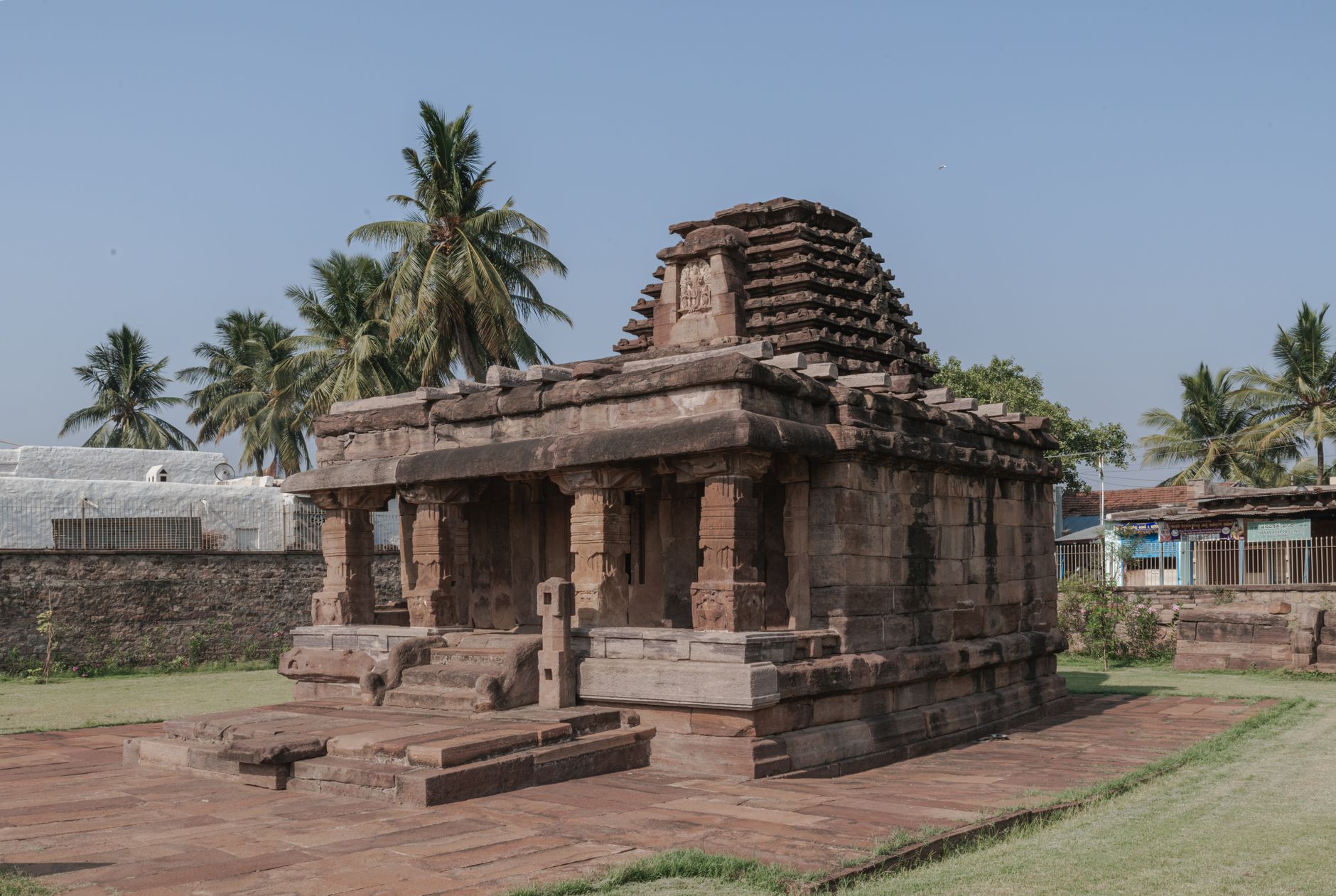
Firozabad, Karnataka: A Hidden Stone-Carving Town in the Western Ghats
Firozabad is a small, understated village nestled in Karnataka's Western Ghats, known primarily for its centuries-old stone-carving tradition and proximity to sacred temples. Rather than a bustling tourist town, it remains a working artisan community where families continue intricate stonework as their ancestors did, set against dense forest and dramatic rocky outcrops that define this region's geography and character.
What is Firozabad Known For?
The village has earned modest recognition across Karnataka for two interconnected reasons: its stone-carving heritage and its location near significant religious sites. Local artisans have passed down techniques for cutting and finishing stone—particularly for temple architecture, decorative elements, and religious sculptures—across multiple generations. You'll encounter workshops where men work in open courtyards, chisels striking stone in rhythmic patterns, creating everything from small deity figures to elaborate architectural components destined for temples across the region.
The proximity to temples (notably Hanuman temples and smaller shrines dotting the surrounding hills) has historically sustained demand for quality stonework. Pilgrims and temple committees commission restoration work and new sculptures, creating a symbiotic relationship between the spiritual landscape and the artisan economy.
Related: Chitradurga with Family: Stays and Things to Do
Related: Hampi Weather in November: What to Expect and How to Pack
Related: Bidar Famous Food: A Culinary Guide to Karnataka's Historic Cuisine
Geography and Accessibility
Firozabad sits within the Western Ghats proper, approximately 60–70 km from Belgaum (Belagavi) in north Karnataka, in Bailhongal taluk. The approach is via winding roads through forested terrain, with elevation gain that becomes noticeable as you near the village. The landscape comprises granite hills, dense deciduous and mixed forest, and seasonal water sources that feed into the region's river systems.
Access is simplest if you're travelling to or from Belgaum, which has reasonable connectivity via NH44 and rail links. From Belgaum, local buses and shared auto-rickshaws service the route, though hiring a private vehicle affords more flexibility for exploring the surrounding hills and artisan workshops. The drive takes roughly 90 minutes to two hours depending on road conditions, particularly during monsoon when surfaces can become slippery.
Stone-Carving Workshops: Where to Observe and Understand the Craft
Unlike sanitised craft centres, Firozabad's stone-carving happens in practical workshop spaces—often open-sided structures with stone dust coating every surface, tools scattered about, and incomplete sculptures in various stages of completion. If you visit, approaching workshops respectfully and asking permission to observe is essential; these are working spaces, not museums.
Artisans typically begin work early in the morning and take a long midday break during the hottest hours. The actual carving involves both hand tools (chisels, hammers, files) and increasingly, some powered equipment for initial shaping. Detail work—faces, fine borders, textural elements—remains largely hand-executed, requiring years of apprenticeship to master. The stone used varies: local granite, and occasionally transported soapstone or softer varieties for more delicate pieces.
If you're genuinely interested in commissioning work, or simply purchasing small carved pieces, conversations with workshop owners can lead to custom arrangements, though timescales are measured in weeks or months rather than days.
Spiritual and Religious Context
The region holds significance in Karnataka's Hindu religious geography. Hanuman temples and small shrines dedicated to local deities pepper the hills, and festivals—particularly Hanuman Jayanti—see increased foot traffic of pilgrims from surrounding villages. The stone-carving tradition is deeply entwined with this spiritual landscape; many artisans view their work as devotional practice as well as livelihood.
Villagers maintain a rhythm tied to religious observances, and you'll notice this in shop hours, social gatherings, and community celebrations. Visiting during significant festivals offers a richer sense of local life, though it also means busier roads and accommodation becoming scarcer in nearby towns.
Natural Surroundings and Trekking Potential
The rocky, forested hills around Firozabad offer quiet trekking opportunities for those comfortable with unmanicured paths. Seasonal streams, granite outcrops, and forest canopy provide varied terrain. The best season for exploration is October through February, when temperatures are moderate and water sources more reliable; monsoon (June–September) transforms the landscape into vivid green but renders paths slippery and leeches common.
There are no marked, commercial trails; trekking here requires either local guides or genuine comfort with navigation using landmarks and topography. Speaking with villagers or your accommodation hosts about accessible routes is advisable.
When to Visit Firozabad
The optimal window is October to February, when daytime temperatures range from 18–28°C, humidity is lower, and roads are most passable. This period also coincides with religious festivals, offering cultural richness alongside comfortable weather for exploration.
August through September brings the tail end of monsoon; the landscape is spectacular but wet and challenging for travel. March through May grows increasingly hot and dry; temperatures can exceed 35°C, though the dryness does create clear skies for viewing surrounding hills.
Practical Considerations and Cultural Etiquette
Accommodation and food: Firozabad itself has minimal formal tourism infrastructure. Most visitors base themselves in Belgaum or nearby Bailhongal town, making day trips to workshops and surrounding sites. Small local eateries in the village serve vegetarian South Indian meals typical of rural Karnataka—roti, dal, simple vegetable dishes, and rice. Bringing snacks or eating in larger towns is sensible if you have specific dietary preferences.
Language: Kannada is the primary language; Hindi is widely understood. English is less common in village contexts, so basic words in Kannada or Hindi prove helpful.
Photography: Always ask permission before photographing people or inside workshops. Some artisans are open to it; others prefer privacy. Religious spaces require respectful behaviour.
Transport: Hiring a local taxi or auto-rickshaw for the day allows flexibility. Negotiate rates beforehand. Public buses are cheaper but run on fixed schedules.
Comparing Firozabad to Similar Artisan Communities in Karnataka
If you're drawn to artisan heritage, Karnataka offers other craft villages: Kunigal near Tumkur specialises in stone inlay work (pietra dura), whilst various weaving communities exist in the deccan plateau. Firozabad differs in being less touristed, smaller in scale, and more integrally tied to a specific religious landscape. For those seeking an authentic craftsperson experience without curated presentations, it offers a more genuine encounter—but also requires patience, flexibility, and respect for the working environment.
FAQ
Is Firozabad worth a dedicated visit, or should I visit on the way to somewhere else? Firozabad is best treated as a day-trip or half-day excursion from Belgaum, combined with exploring surrounding hills or nearby temples. Its appeal lies in observing living craft traditions, not in achieving a checklist destination; plan accordingly.
Can I buy stone carvings directly from artisans? Yes. Small pieces—deity figures, decorative carvings—can often be purchased immediately or within days. Larger commissions require weeks or months. Quality and pricing vary; expect modest prices compared to curated craft shops, though transportation for substantial pieces poses logistical challenges.
Are guides necessary for trekking in the surrounding hills? Not mandatory if you're comfortable with unmanicured paths and basic navigation, but local guides add context and safety, particularly during or after monsoon. Ask your accommodation to arrange introductions.
What's the nearest town with proper hotels and restaurants? Belgaum, roughly 60–70 km away, is the nearest city with established accommodation and diverse dining. Bailhongal town, much closer (15–20 km), offers smaller lodges and local eateries.
Exploring Nearby Areas
If you're in the region, consider extending your itinerary to Belgaum's forts and markets, or visiting the surrounding Western Ghats terrain for broader trekking and nature experiences. Best time to visit this region aligns closely with Firozabad's optimal season.