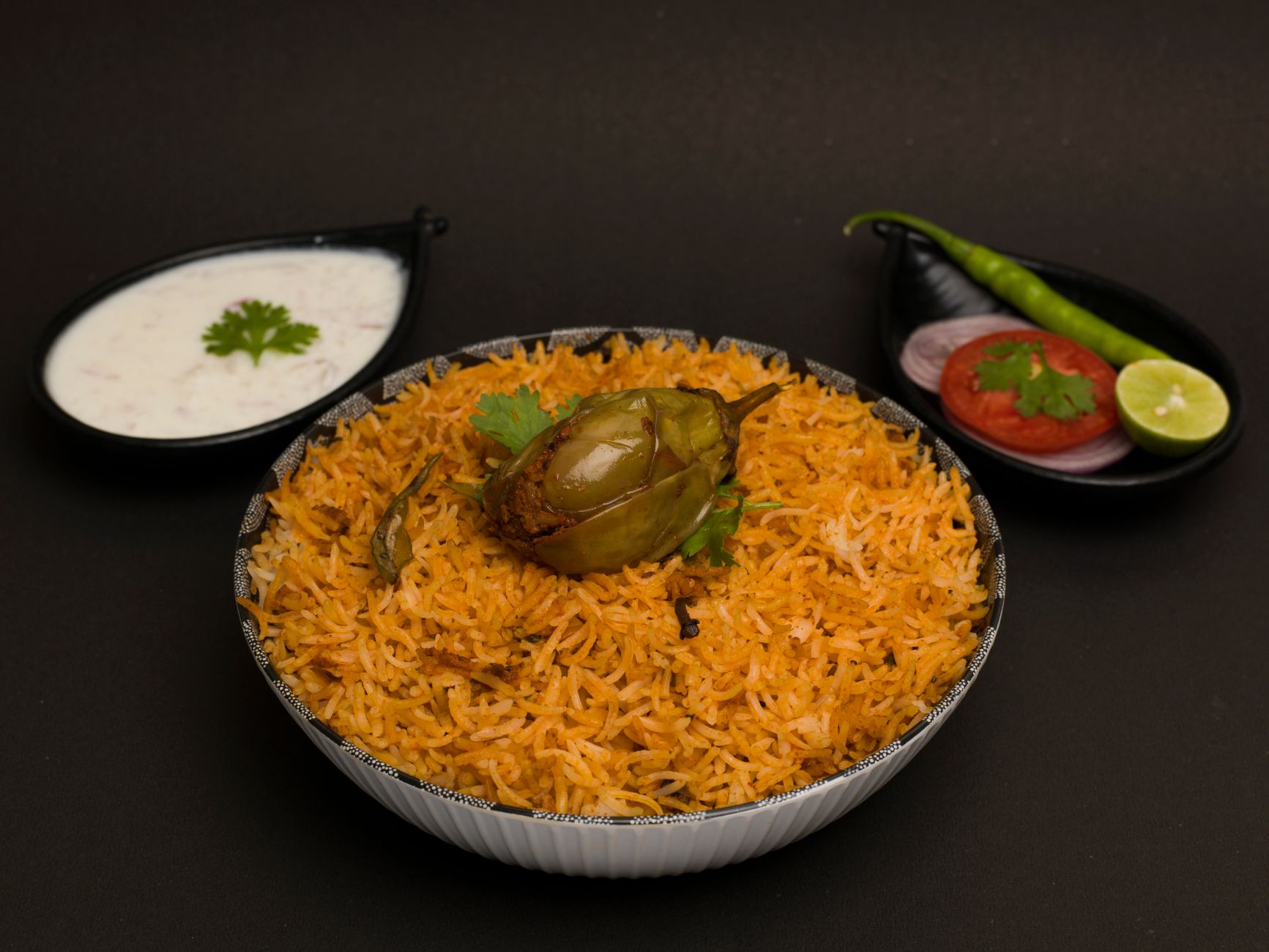
Bidar's culinary traditions emerge from its position as a former capital of the Bahmani Sultanate, where Persian, Turkish, and local Hindu food cultures converged over centuries, creating dishes that remain remarkably distinct from the rest of Karnataka today. The city's kitchens still honour recipes passed down through generations, particularly within Muslim communities who preserved court cooking techniques when the sultanate faded. You'll find that eating in Bidar means experiencing food shaped by trade routes, royal patronage, and the interplay of spices that travelled through the Deccan plateau.
What makes Bidar's food different from other Karnataka cities?
Bidar food distinguishes itself through its measured use of whole spices, preference for slow-cooked preparations, and a certain restraint that avoids the coconut-forward profiles common in coastal Karnataka. The cuisine leans towards the sensibilities of the Deccan plateau rather than the Western Ghats, meaning dry spices dominate, meat features prominently, and ghee appears in both savoury and sweet preparations. Unlike Bangalore's modernised fusion eating or coastal Mangalore's seafood traditions, Bidar maintains an almost aristocratic simplicity—food meant to showcase individual spices rather than overwhelm the palate. The city's geographical position between the Telangana plateau and the Karnataka interior has also meant less rice cultivation historically, so millet breads and wheat-based dishes feature more prominently than in southern Karnataka regions.
Bidar Biryani: The City's Most Celebrated Dish
Bidar biryani occupies a particular place in Indian biryani geography, sitting distinctly apart from the Hyderabadi version despite geographical proximity. Where Hyderabadi biryani layers meat with rice in sealed vessels using the dum pukht method, Bidar biryani involves longer cooking times with more pronounced spice layering, and traditionally includes a greater proportion of ghee mixed through the rice itself. The meat—typically mutton or chicken—cooks separately in a spice paste featuring whole cumin, cinnamon, cloves, and bay leaves before combining with partially cooked Basmati rice. What distinguishes it further is the use of mint and coriander, yes, but also a subtle earthiness from the clay vessels traditionally employed and the practice of finishing the dish with crispy onions and boiled eggs that are folded in rather than layered.
Related: Infosys Electronic City Gate 6: Location, Access & Visitor Guide
Related: Sirsi with family: stays and things to do
Related: Coorg County Resorts: What to Expect & Where to Stay
You'll taste this biryani most authentically in the old city areas where family-run establishments have maintained recipes across generations—places where the kitchen still uses traditional methods rather than pressure cookers, and where the rice grains remain individually distinct rather than becoming a unified mass. The biryani here serves as a complete meal, rich enough that most people pair it simply with raita or pickle rather than additional curries.
Kebabs and Meat Preparations
Bidar's kebab culture reflects the city's Mughal heritage more directly than almost any other dish. Shami kebabs, made from minced meat bound with lentils and spices then shallow-fried until golden, appear as street food and formal meals alike—crispy exterior giving way to a moist, almost fudge-like interior when properly made. Seekh kebabs, shaped around metal skewers and cooked over charcoal, use meat pastes infused with ginger, garlic, and green chillies, then finished with a squeeze of lemon that cuts through the richness.
Bihari kebab represents perhaps the most distinctly Bidar preparation: meat cooked with a paste of coconut, sesame seeds, and spices, then shaped and either fried or steamed. The sesame gives it a subtle nuttiness that sets it apart from kebabs in other regions. Kachche gosht ki biryani—meat cooked raw with the rice—appears on special occasion menus, requiring confidence in sourcing and technique that not all establishments maintain. If you're seeking authentic kebab preparation, look for places in the old city where charcoal fire still runs rather than gas, and where the kebab mixture has visibly rested rather than being freshly minced.
Curries and Everyday Food
Beyond the celebrated biryani and kebabs, Bidar's daily cooking speaks to the pragmatism of the Deccan plateau. Nihari, a slow-cooked meat curry traditionally eaten for breakfast or late night meals, appears here as thick and deeply spiced—meat so tender it dissolves on the tongue, served with flat breads designed for soaking up the reduced gravy. Paya, made from goat or chicken feet simmered for hours until the cartilage becomes gelatinous, serves a similar function and requires an acquired taste but rewards with its deep, almost bone-marrow sweetness when prepared carefully.
Keema dishes, featuring minced meat cooked with peas and potatoes, maintain their Persian-influenced simplicity, relying on cardamom, bay leaves, and precisely timed cooking rather than elaborate spice blends. The accompanying breads—particularly sheermal, a slightly sweet bread enriched with milk and saffron—transform these curries into something approaching ceremony, even in humble family homes.
Sweets and Finishing the Meal
Bidar's sweets emphasise nuts and ghee without the coconut-centric approach of coastal Karnataka. Phirni, a rice-flour-based pudding perfumed with cardamom and topped with pistachios and silver leaf, appears at every significant meal. Double ka meetha, made from condensed milk and milk solids, offers an almost cloying richness that works precisely because portions remain modest. Sheermal itself functions partly as bread, partly as sweet, and the skill of a baker shows in the balance of sweetness and the even distribution of saffron strands.
Qubani ka meetha—apricot paste cooked with jaggery and topped with cream—brings a sophistication to the sweet course, the sourness of dried apricots cutting through ghee and sugar. Badam barfi and cashew preparations reflect the trading wealth of the sultanate period, when nuts remained luxury items. Khubani ka meetha appears most commonly now, though double ka meetha still holds cultural significance in family kitchens.
Where and How to Eat in Bidar
The old city's narrow lanes contain the most authentic eating experiences—small establishments often without signboards where biryani cooks in individual portions to order, and where regulars arrive at particular times knowing what's being prepared that day. Many such places operate from modest shopfronts or courtyards, with plastic stools and basic presentation belying the complexity of the cooking happening nearby. Asking locals for recommendations yields better results than seeking written reviews; trust the places where you see families eating rather than tourists alone.
Market areas near the fort retain several old eating houses where the kitchen remains open-plan, allowing you to watch meat being marinated, spices being ground, and breads being shaped. Eating here means timing your visit to midday when crowds peak and turnover ensures freshness. Many establishments observe strict meat-free days or timings related to prayer schedules, so local knowledge or flexibility in timing becomes practically important.
Nights in Bidar bring out street food centred on kebabs and breads rather than elaborate curries—coal-fired grills materialising in markets and near the fort, staffed by families who've held the same pitches for decades. These operate on an honour system of sorts: you order, watch your kebab being prepared, pay, and eat standing or on nearby benches, an experience fundamentally different from restaurant dining but closer to how most people in Bidar actually eat.
Vegetarian Considerations
Bidar's vegetarian traditions remain less elaborated than its meat cuisine, reflecting the city's historical demographics and courtly food traditions. Vegetable curries tend toward simplicity—spinach with paneer, chickpea curries, seasonal vegetables cooked with spices. Dals feature prominently, particularly moong dal and chana dal prepared with ghee and whole spices. Baghara baingan, an Hyderabadi dish of baby aubergines cooked in sesame and coconut paste, appears occasionally. For vegetarians, Bidar represents more of a challenge than many Karnataka cities; planning meals with awareness of local vegetable seasons and focusing on dal-based dishes yields better results than expecting elaborate vegetarian mains.
Practical Food Culture Tips
Bidar's eating schedule follows Deccan patterns rather than south Indian norms: breakfast often extends into late morning, lunch peaks between noon and early afternoon, and dinner sits later than in Bangalore, typically starting around 8 or 9 pm. Many establishments close between afternoon and evening, a rhythm worth understanding when planning your time. Water sources matter—stick to bottled water and reliable establishments, particularly as street food and older kitchens may not meet urban sanitation standards.
Price sensitivity exists around meat quality and ghee quantity; establishments using superior ghee or better-sourced meat charge noticeably more but deliver different results. Asking the price of a biryani before ordering provides useful context about the kitchen's standards. Sweet dishes often serve in measured quantities; ordering multiple sweets meant for sharing rather than individual portions encourages trying more varieties. When eating at family-run places, expect basic presentation and focus entirely on flavour—the absence of plating spectacle typically indicates a kitchen confident in its cooking rather than appearance.
FAQ
Q: Is Bidar biryani spicier than Hyderabadi biryani? A: Not necessarily spicier, but more aromatic. Bidar biryani emphasises whole spice fragrance—cardamom, cinnamon, cloves—where Hyderabadi tends toward a broader spice blend. Heat levels vary by establishment; ask when ordering if you prefer milder preparations.
Q: Can I find vegetarian biryani in Bidar? A: Yes, vegetable biryani exists but represents a secondary tradition. Vegetable versions use paneer or legumes instead of meat and follow the same layering principle, though most established biryani kitchens specialise in meat preparations. Quality varies significantly.
Q: What's the best season to eat Bidar's traditional food? A: October through February, when temperatures cool and kitchens prepare richer, heavier dishes. Summer months see lighter eating, with availability of certain traditional preparations reduced. Festival periods (particularly around Muharram and Eid) bring special meat preparations.
Q: Are there alcohol restrictions when dining in Bidar? A: Many traditional establishments don't serve alcohol due to religious considerations. Larger restaurants and hotels carry beer and spirits. Check beforehand if this matters to you, and always ask rather than assume availability.