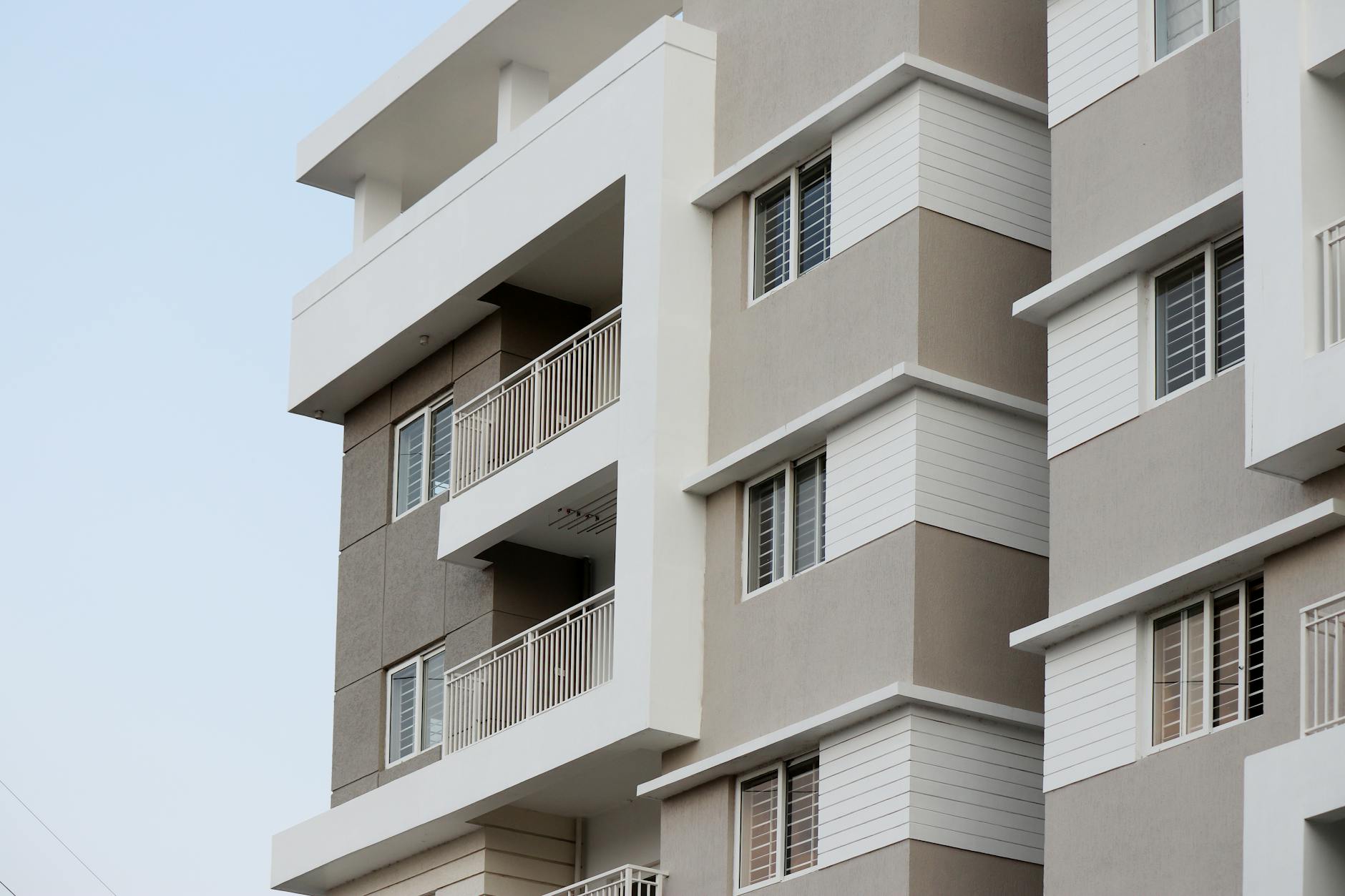
Elmas Grand Bangalore: A Luxury Stay in India's Tech Hub
Elmas Grand Bangalore caters to travellers seeking high-end accommodation in a city known for its thriving tech industry, cosmopolitan dining scene, and pleasant climate. The property emphasises contemporary comfort alongside curated service standards, positioning itself within Bangalore's premium hotel segment for both corporate visitors and leisure guests seeking refined urban experiences.
What defines Elmas Grand's appeal to different travellers?
The hotel attracts business professionals attending conferences and meetings across Bangalore's IT corridors, alongside leisure visitors exploring the city's cafes, restaurants, and cultural spaces. Its location typically places it within reach of commercial districts, making it practical for those whose itineraries centre on meetings and work commitments. The property's positioning also appeals to visitors who prioritise comfort and service quality over budget considerations, particularly those accustomed to international hospitality standards.
How does Elmas Grand compare within Bangalore's luxury hotel market?
Bangalore's hospitality sector spans everything from ultra-premium international chains to mid-range boutique properties, with significant variation in service philosophy and amenity focus. Properties positioned at Elmas Grand's level typically differentiate themselves through staff training, room finishes, and restaurant experiences rather than dramatic architectural statements—a pragmatic approach suited to Bangalore's business-oriented visitor base. The city's competitive luxury market means most properties invest heavily in contemporary design, reliable high-speed internet, and dining venues that reflect the city's cosmopolitan food culture.
Related: Luxury Heritage Hotels in Mysore for Dasara: Ranked and Compared
Related: Talakaveri and Bhagamandala: The Cauvery Origin Trip
Related: Coorg with Family: Stays and Things to Do
Room experience and facilities
Luxury hotels in Bangalore generally prioritise functional design that acknowledges the city's hot climate and the needs of business travellers managing work schedules. Expect rooms with premium bedding, climate control that actually works effectively, and thoughtfully planned workspace if you're travelling for work—these fundamentals matter more to most guests than ornamental flourishes. Modern properties at this level typically include rainfall showers, quality toiletries, and generous storage rather than overwhelmingly opulent decor. Internet reliability is non-negotiable in a city where digital connectivity underpins daily life.
Dining and food culture context
Bangalore's restaurant scene reflects its position as India's most cosmopolitan metro after Delhi and Mumbai, with serious options spanning South Indian vegetarian classics through contemporary global cuisine. Hotels within this segment typically operate multiple dining venues—perhaps a multi-cuisine restaurant, a speciality Indian restaurant, and a lounge or bar—recognising that guests have varied preferences and expectations. South Indian breakfasts (idli, dosa, upma) and North Indian staples appear alongside international fare. The city's coffee culture is genuine and influential; a quality coffee programme matters to many visitors. Room service standards tend to be reliable, though timing can vary depending on demand during peak business travel periods.
Location and neighbourhood character
Bangalore's geography spreads widely, with major hospitality precincts scattered across the city—the IT corridor areas, Whitefield, Indiranagar, and central business zones each have distinct character. Properties like Elmas Grand typically position themselves near commercial hubs or established neighbourhoods with retail and dining variety. Understanding your exact location matters; one area's convenience for corporate meetings differs significantly from another's proximity to museums or markets. The city's traffic can be heavy, particularly during rush hours, so hotel positioning relative to your actual plans warrants careful thought.
When to visit Bangalore
The city's climate is notably pleasant compared to much of India—temperatures remain moderate year-round, though summer months (March–May) grow warm and the monsoon period (June–September) brings significant rainfall. October through February represents peak season, when weather is at its most agreeable and demand for accommodation rises accordingly. Business travel flows throughout the year, undeterred by season. If you're visiting for leisure, the cooler months allow for comfortable exploration of the city's parks, cafes, and markets without battling extreme heat.
For specific guidance on timing, visit Bangalore's best time to visit guide to understand seasonal patterns and crowd levels in detail.
Practical considerations for your stay
Bangalore operates on Indian Standard Time (UTC+5:30), with no regional variation. The rupee is the currency; most establishments in commercial areas accept cards, though carrying some cash remains sensible. English is widely spoken, particularly in hospitality and business contexts. The city's food water is generally safe from tap supplies in established areas, though visitors often prefer bottled water initially. Tipping isn't mandatory but is appreciated—10–15% in restaurants is conventional for good service. Dress norms are relaxed; Bangalore's professional culture is relatively informal by Indian standards, and casual clothing is entirely acceptable outside formal business meetings.
For broader context on navigating Bangalore as a visitor, explore Bangalore's general guide, which covers neighbourhood character, transport options, and cultural nuances beyond hotel experiences.
Where Elmas Grand fits into your Bangalore journey
A luxury hotel functions differently depending on your underlying trip purpose. For business travellers, it provides reliable infrastructure, professional service, and a comfortable workspace away from the office. For leisure visitors, it serves as a pleasant base while you explore the city's actual attractions—its cafes, galleries, street food markets, and gardens. Bangalore itself is the draw; the hotel is the practical framework. Choosing a property should involve thinking through what you actually do during your stay, not just how impressive the lobby appears.
Consider whether you genuinely need luxury amenities or whether a well-reviewed mid-range property would serve your actual needs just as effectively. Bangalore's hospitality market offers excellent value across many segments; a three-star property in the right neighbourhood might provide greater overall satisfaction than a four-star property in a less convenient location.
FAQs
What's the nearest airport to Elmas Grand, and how long does transfer typically take? Bengaluru International Airport (Kempegowda International) serves the city, located roughly 40–45 kilometres away depending on exact hotel location. Transfer times vary significantly with traffic but typically range from 45 minutes to 90 minutes. Pre-arranged transfers through the hotel or reliable cab apps are preferable to negotiating independently at arrival.
Is the hotel suitable for leisure travellers, or is it primarily business-oriented? Whilst many guests are business travellers, leisure visitors equally benefit from the service standards and comfort. If your Bangalore itinerary involves exploring markets, cafes, and cultural spaces rather than meetings, the hotel functions perfectly as a comfortable base—though you're paying premium rates for amenities you may not fully utilise.
How does Bangalore's pace and energy compare to other Indian cities? Bangalore feels noticeably faster-paced and more digitally integrated than most Indian metros outside Delhi and Mumbai. Traffic congestion is real, infrastructure is modern in many areas, and the cosmopolitan culture means you'll find international restaurants and global sensibilities woven throughout daily life. It's simultaneously Indian and very contemporary—a distinctive urban experience.
What should I budget beyond the room rate for food and activities? Dining ranges tremendously—street food meals cost ₹100–300, casual restaurants ₹300–800, and upmarket establishments ₹1,500 and upwards per person. Museums and cultural attractions typically charge ₹200–500 entry fees. Weekend shopping and cafe culture can easily absorb ₹1,000–2,000 daily if you're actively exploring rather than staying at the hotel.