What Do Budget Hotel Chains Actually Offer?
Budget hotel chains across Karnataka operate on a straightforward principle: competitive pricing in exchange for stripped-down amenities. You'll get a clean room with a bed, basic furniture, and an ensuite bathroom. Most chains include complimentary Wi-Fi, television, and air-conditioning—the essentials modern travellers expect. Don't anticipate room service, housekeeping beyond check-in, or elaborate breakfast spreads. What you gain instead is affordability and reliability, making these chains popular with backpackers, business travellers on tight budgets, and families managing travel costs.
Where Are Budget Chains Concentrated?
You'll find budget hotel chains clustered around Karnataka's major transit hubs and city centres. Bangalore hosts the highest concentration, particularly near the airport, railway stations, and business districts. Mysore, Hubli, and Mangaluru also have strong presence in their commercial zones. Smaller towns along popular routes—like those near Ella and other hill station gateways—increasingly feature economy options to capture the growing budget-travel market. Location matters significantly: a chain near a highway costs less than one in a prime city neighbourhood, but may offer fewer dining options nearby.
Room Standards and What Varies Between Properties
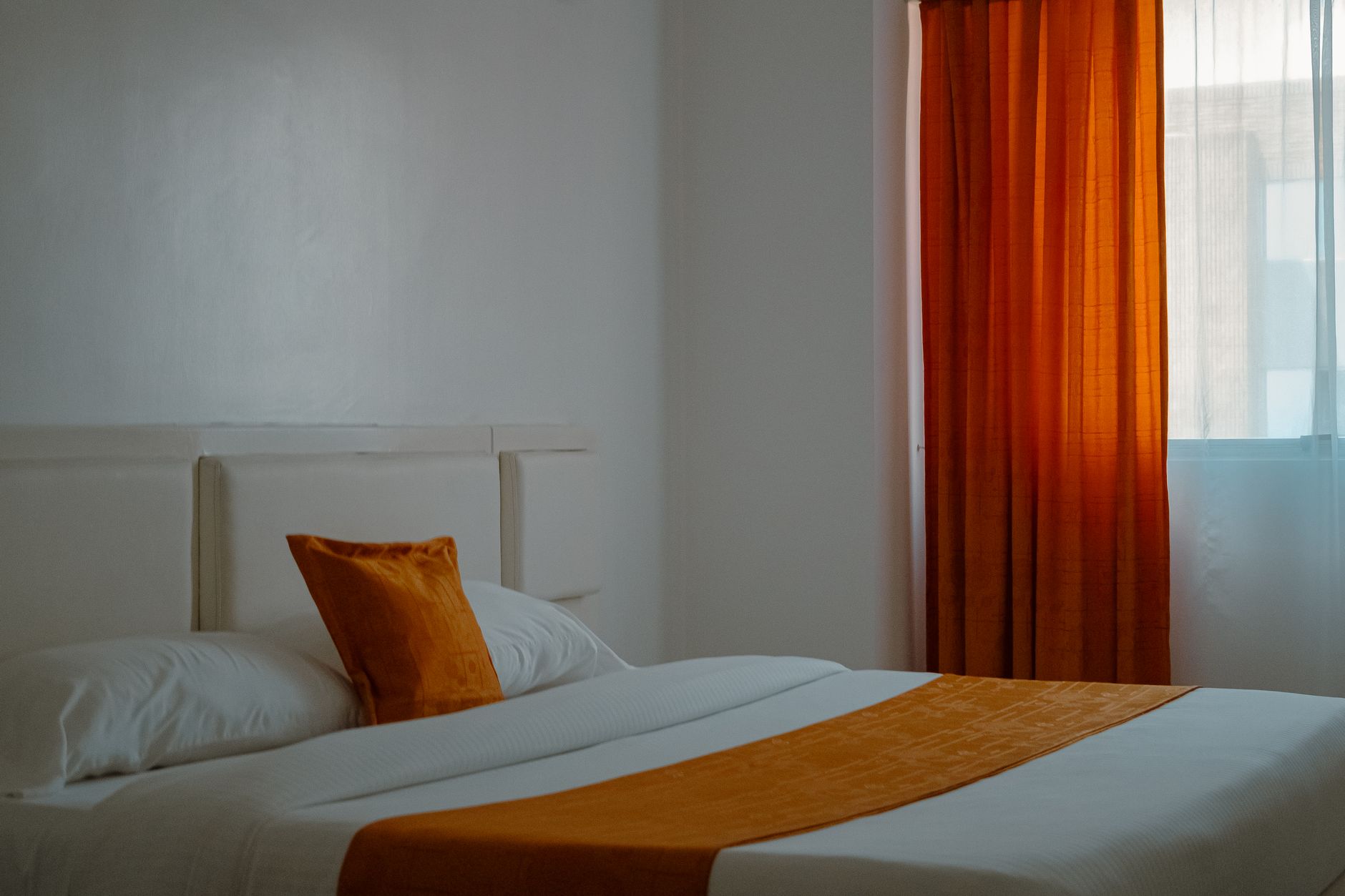
Room quality remains reasonably consistent within chain networks, though individual properties differ. Expect single, double, and occasionally twin configurations. Beds are firm and functional rather than luxurious. Bathrooms are compact but clean, typically with hot-water geysers and basic toiletries. Air-conditioning is standard almost everywhere; some properties offer fan-only budget rooms at lower rates. Differences emerge in wall condition, furniture age, and noise insulation—older properties in busy areas may have thinner walls. Modern units, especially newer chain expansions, feel noticeably fresher and more spacious. Check recent guest photos before booking rather than relying solely on descriptions.
Related: Hotel ABM Express Inn: Location, Rooms & Booking Guide
Related: 4 Seasons Suites HBR Bangalore: Location, Amenities & Booking Guide
Related: Mukka Beach, Karnataka: Coastal Guide & Best Time to Visit
Amenities: What's Included and What Isn't
Inclusions typically comprise Wi-Fi (though speed varies), a television with basic channels, and a working fan or AC unit. Many chains now offer mobile charging ports and reading lights. Some properties include basic breakfast—usually tea, coffee, and toast—whilst others charge separately. Expect no frills like gyms, swimming pools, or business centres at economy rates; if they're present, the property may be positioned mid-range rather than true budget. Parking varies: street parking in city centres, dedicated lots in commercial zones, and free spaces in quieter towns. Always confirm parking availability and costs when booking near busy areas.
How Budget Chains Compare to Independent Budget Hotels
Chain properties offer consistency and accountability; management systems ensure basic standards across locations. If a room has issues, chain protocols typically handle complaints faster. Independent budget hotels are cheaper and offer more character, but quality is unpredictable—you might find a spotless, friendly place or a disappointment. Chains suit travellers who value reliability and standardisation; independents work for adventurous travellers who research thoroughly and don't mind occasional rough edges. For first-time visitors to Karnataka unfamiliar with areas, chains reduce booking risk.
Best Times to Book and Price Variations
Budget hotel rates fluctuate dramatically by season and day of week. Monsoon months (June–August) and weekdays typically offer lowest rates—often 30–40% cheaper than peak times. Weekends and festival periods spike prices significantly. Bangalore's rates remain relatively stable year-round due to business demand, whilst hill stations near Ella and mountain regions see sharper seasonal swings. Book 2–3 weeks ahead during shoulder seasons for best availability; peak season (October–February) requires earlier planning. Last-minute bookings sometimes yield discounts if occupancy is low, but this is unreliable.
Making the Most of Your Stay
Arrive early enough to settle before evening crowds if you're in a busy area—check-in delays are common. Keep valuables in your room safe (most chains provide basic lockers or safes). Request higher floors if noise concerns you; ground floors near reception/stairs are louder. Carry your own toiletries beyond basics; chains provide minimal shampoo and soap. Download offline maps and restaurant recommendations beforehand—budget hotels often lack staff knowledge of surrounding areas. If breakfast isn't included, explore nearby local eateries; they're cheaper and more authentic than hotel options.
Common Concerns and How to Address Them
Noise levels: Budget hotels in city centres attract varied guest types with differing sleep schedules. Check property location reviews; properties on quieter streets cost more but sleep better. Earplugs are essential packing items. Water supply: Most budget properties have reliable municipal water; power cuts (rare but possible) may briefly affect geysers. Always fill your bucket on arrival if showering late. Check-out policies: Standard checkout is 11 a.m., with late charges thereafter. Some chains offer flexible early check-ins if rooms are available. Confirm during booking to avoid disputes. Cleanliness standards: Recent guest reviews are your best indicator. Chains maintain better consistency than independents, but always inspect your room upon entry and report issues immediately.
Choosing Between Locations: City Centre vs. Peripheral
City-centre budget hotels cost 20–30% more but offer walkability to shops, restaurants, and attractions. Peripheral locations (near highways, industrial areas) are cheaper and quieter but may require auto-rickshaws or taxis for sightseeing. For exploring destinations like Mysore or Bangalore, central locations justify higher cost if you're staying 2+ nights. For transit stops en route to hill stations, peripheral budget hotels suffice and save money. Consider your itinerary's pace before prioritising location.
Technology and Modern Additions
Newer budget chains increasingly offer mobile-key entry, contactless check-in, and app-based complaint management. Wi-Fi speeds vary widely; confirm bandwidth expectations during booking rather than assuming all chains provide equal connectivity. USB charging ports and bedside plugs are now standard in modern units. Television options have expanded from basic cable to streaming-capable smart TVs in newer properties. If digital convenience matters, specifically check which chains have invested in technology upgrades.
Sustainability and Practical Considerations
Budget chains typically use single-use toiletries and basic linen; bringing your own toiletries and requesting linen changes only when necessary aligns with responsible travel. Some newer properties implement water-conservation measures and energy-efficient lighting. Karnataka's water scarcity in certain regions means some budget hotels have storage tanks—not a problem, just a practical fact. Request reusable water bottles from reception if available.
FAQ
Q: Are budget hotel chains safe for solo female travellers? A: Most established chains are safe; they attract regular corporate guests and maintain security protocols. Choose properties with good reviews from solo travellers, request rooms on higher floors away from main entrances, and inform reception of your arrival plans. Chains' formal structure provides more accountability than small independent hotels.
Q: Can I extend my checkout if I'm travelling onward later that day? A: Most chains allow late checkout (typically until 2–4 p.m.) for an additional charge, space permitting. Some offer luggage storage if you want to explore after checkout. Request this when booking or upon arrival for best chances of availability.
Q: Do budget hotels provide travel information and recommendations? A: Rarely in detail. Reception staff may answer basic questions, but most budget properties lack tour desk services. Download maps, read travel blogs, and use mobile apps beforehand. Speaking with other guests in common areas often yields better local insights than staff at economy properties.
Q: Is breakfast worth selecting when booking, or should I eat outside? A: If included, take it—saves time and money. If charging ₹50–100 extra, compare nearby local restaurants first. Street food and small cafés near most budget hotels offer better value and authentic meals at similar cost.