Badami Resorts: Where to Stay in Karnataka's Cave Temple Town
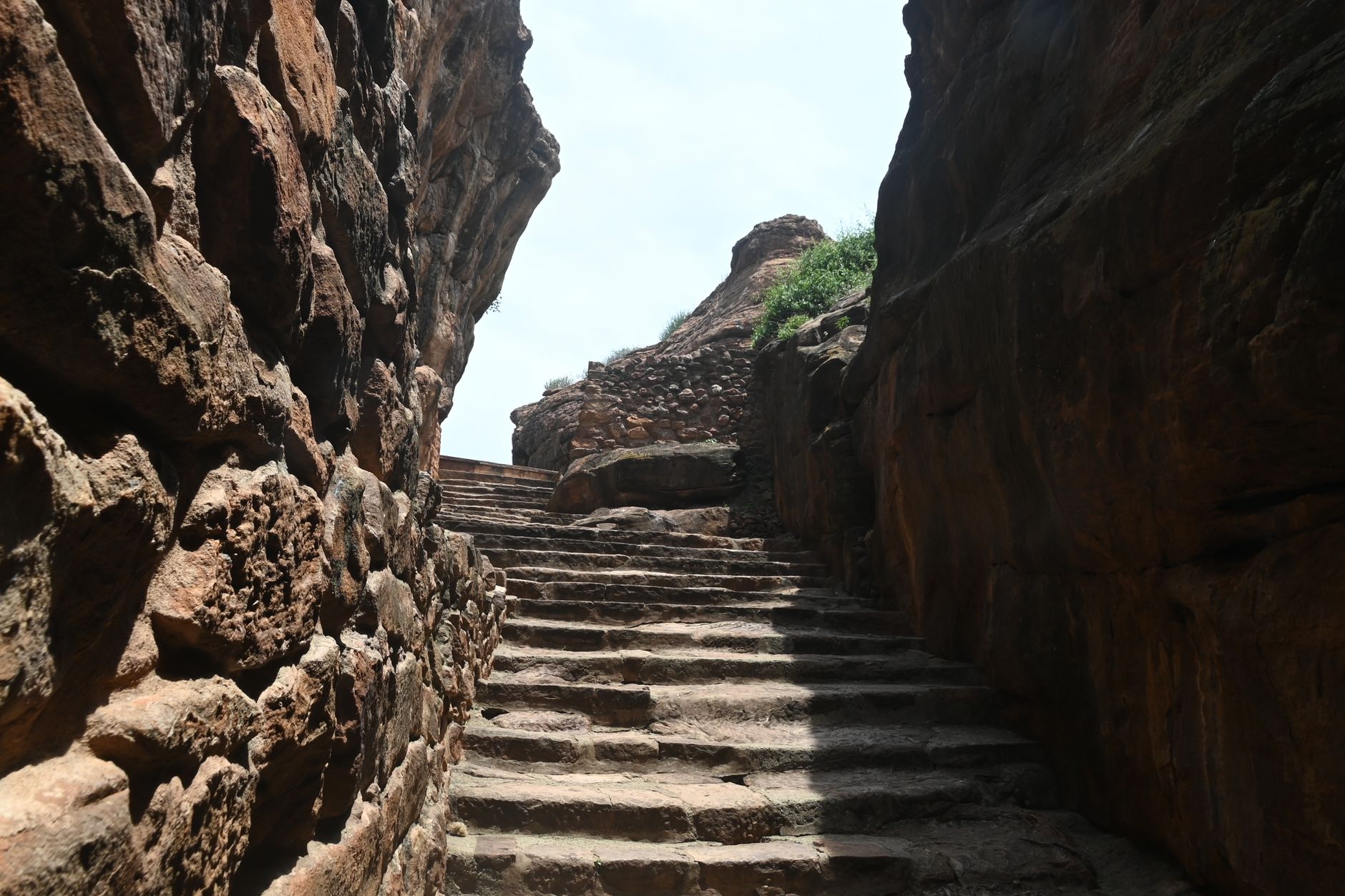
Badami's resorts cluster around the heritage core, where 6th-century Chalukyan cave temples rise from salmon-pink sandstone cliffs. Unlike sprawling resort towns, Badami accommodation prioritises proximity to monuments over sprawl. Most properties sit within 500 metres of the main temple complex, meaning you can walk to the caves in ten minutes from your room—a genuine advantage for early-morning photography or avoiding midday heat.
The town itself remains intimate. You'll find guesthouses, heritage properties, and mid-range comfort stays, but few all-inclusive resort experiences. That's actually liberating: it keeps Badami feeling like a working heritage town rather than a theme-park recreation.
What defines Badami resort stays?
Accommodation here follows the logic of pilgrimage tourism mixed with archaeological interest. Properties tend to be family-run or small heritage conversions rather than branded chains. Many offer views of the cliffs or courtyard gardens with bougainvillea and neem trees. Air conditioning is standard in mid-range properties; budget guesthouses may rely on fans and cross-ventilation.
Related: Best Homestays in Coorg with Coffee Estate Views
Related: Kukkarahalli Lake Walking Path: Route Guide & Visiting Tips
Related: Akshaya Mayflower Bangalore: A Detailed Guide to This South Bangalore Residential Development
Most resorts include basic Indian breakfasts (idli, dosa, fresh fruit). Badami town has several standalone restaurants serving local Kannada cuisine and traveller-friendly options, so you're not locked into resort dining. The Bhutanatha Temple complex and the four main cave temples are all within a 15-minute walk of the town centre.
Best season: October to February
If you're choosing a resort, timing matters more than property brand. October through February brings clear mornings, dry heat around 25–28°C during the day, and cool evenings (15–18°C). This is perfect for climbing the cliff paths to the upper caves and exploring the carved sandstone details without sweating through your clothes by 9 a.m. Resorts during these months book up 4–6 weeks ahead; book early if you're planning a visit between December and January.
Monsoon (June to August) transforms the landscape. The cliffs drip with water, vegetation greens up dramatically, and the air smells of wet earth. But humidity is high (70–80%), the upper cave paths become slippery, and occasional heavy rain can make photography poor. Some travellers love this moody, green version of Badami; others find it uncomfortable. Resorts offer lower rates then, and you'll have the temples largely to yourself.
March to May brings harsh heat (35–40°C by midday), dust, and dry landscape. Resorts remain open and affordable, but outdoor exploration becomes genuinely uncomfortable without excellent hydration and sun discipline.
Location within Badami: Town centre vs. periphery
Resorts cluster in two zones: the town centre (near the main bazaar and lower temples) and the quieter periphery towards Bhutanatha Temple to the north. Town-centre properties offer walkability, immediate access to restaurants and small shops, and an authentic small-town buzz. Peripheral resorts trade noise for garden space and often hill views.
If this is your first visit and you want to experience Badami as a living heritage town, choose town centre. If you prefer silence and nature, and you have transport arranged, the periphery offers better sunset views and peaceful mornings.
What to expect: Comfort and character
Badami resorts typically offer:
Budget guesthouses (₹800–₹1,500/night): Doubles with attached bathrooms, basic furnishings, fans or modest AC, no frills but clean and friendly. Often family-run; expect warm hospitality and local knowledge.
Mid-range resorts (₹2,000–₹4,500/night): Proper doubles or suites, good AC, in-room hot water, courtyard seating, often a restaurant, sometimes a small pool. These are comfortable without pretension.
Heritage properties (₹3,500–₹6,500/night): Converted historic buildings, character details (arched windows, stone floors), better dining, curated artwork or antiques. Fewer in number but worth seeking if you value atmosphere.
None of this is luxury-resort standard, and that's intentional. Badami isn't Goa. It's a small heritage town where your comfort is genuine but modest, and your attention stays on the temples and cliffs, not on thread count.
Practical questions before booking
Will I have reliable hot water? Yes, even in budget places. Winter mornings (November to January) are cool, so hot water is appreciated. Summer resorts may not have geysers switched on.
Is there WiFi? Mid-range and heritage resorts almost always have it. Budget guesthouses increasingly do, but don't assume. If connectivity matters, ask before booking.
Can resorts arrange local guides? Most can. Badami's cave temples reward guided visits—guides explain the iconography and dating that aren't obvious otherwise. Expect to pay ₹500–₹800 for a 2-hour walk.
Should I book ahead or turn up? October to February: book at least 3–4 weeks ahead. March to September: you can often arrange same-day or next-day, though choice will be limited. Phone calls work better than online platforms in Badami; most properties respond quickly to direct WhatsApp enquiries.
Beyond the main temples
If you're staying more than two nights, ask your resort staff about visits to the Mahakuta Temple (8 km north, older than Badami, less crowded) or a sunrise or sunset drive up the clifftops. These aren't on every tourist itinerary, but they're rewarding. A few resorts can arrange transport; otherwise, local auto-rickshaw drivers at the town stand are honest and reasonable (₹400–₹600 for 2–3 hours).
Final thoughts
Badami resorts exist to serve the temples, not to replace them. You're choosing a place to sleep and rest between exploration, not booking an experience unto itself. That's the town's charm. Pick somewhere clean with good morning light, ask the staff for local knowledge, and let the 6th-century caves be your main attraction.
See our detailed guides to nearby Aihole and Pattadakal for day-trip options, and explore Badami's best time to visit for deeper seasonal analysis.
FAQ
Q: What's the nearest train or bus station? A: Badami has a small railway station with trains to Bijapur and Guntakal. Buses connect to Bengaluru (8 hours), Bijapur, and local towns. Most resorts arrange airport pickups from Bengaluru if you book ahead. The town itself is compact enough to navigate on foot or by auto-rickshaw.
Q: Is Badami suitable for families with children? A: Yes. The cave temples are accessible to older children (8+), though upper caves need a bit of climbing. The town is safe and relaxed. Resorts are accustomed to families. Just avoid peak midday heat if you have very small children.
Q: Can I visit Badami as a day trip from Bengaluru? A: Technically, yes (8 hours drive each way), but it wastes time. Staying 2–3 nights lets you explore slowly and experience the town's evening quiet. The temples reward unhurried visiting.
Q: Which season has fewer tourists? A: July to September. Monsoon discourages mass tourism, so you'll have temples almost to yourself. It's wet and warm, but if solitude matters, it's worth it.