3 Star Hotels in Badami: Mid-Range Comfort Near Ancient Caves
Three-star hotels in Badami offer genuine mid-range comfort positioned perfectly for exploring one of Karnataka's most compelling heritage destinations. These properties typically provide air-conditioned rooms, restaurant facilities, and staff who understand the area's archaeology and trekking culture. Most sit within the town centre, putting you a short walk or auto-rickshaw ride from the cave temples carved into the red and golden sandstone cliffs.
What to Expect from 3-Star Badami Hotels
A three-star property in Badami usually features:
- Air-conditioned rooms with attached bathrooms, sometimes with hot water geysers
- Multi-cuisine restaurants serving South Indian, North Indian, and simple continental fare
- Front desk assistance with heritage site information, local guide recommendations, and transport bookings
- WiFi connectivity in common areas and some rooms
- Organised day trips to nearby attractions like Aihole and Pattadakal temples
- Room service and occasionally laundry facilities
Unlike budget lodges, three-star hotels maintain consistent cleanliness standards and quieter environments. Unlike five-star resorts, they skip spa facilities, extensive leisure amenities, and premium brand positioning—making them genuinely good value for a heritage-focused stay.
Related: Things to Do in Shivamogga: Attractions and Local Tips
See also: Mysore Dasara Jamboo Savari: Best Viewing Spots and Timings
See also: Madikeri to Golden Temple Kushalnagar: Distance & Travel Guide
Location and Convenience Factors
Most three-star hotels cluster along or near Badami's main bazaar road. This puts you within 500 metres of the North Fort Cave Temple and South Fort Cave Temple, the primary archaeological draw. You'll hear temple bells and the town's morning activity from many rooms, which adds atmosphere rather than noise if you're an early riser.
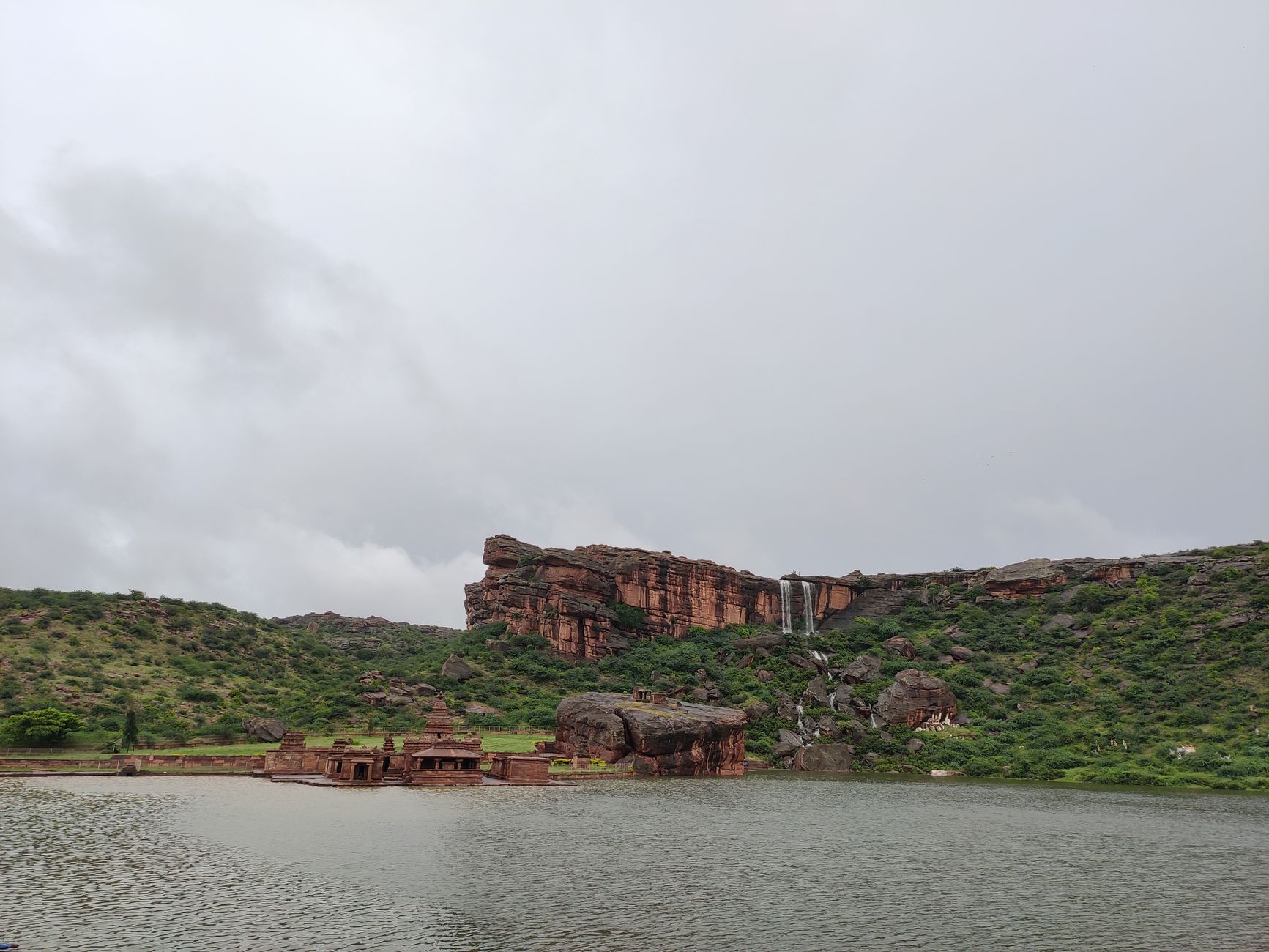
Auto-rickshaws are inexpensive and plentiful; a five-minute ride reaches the upper fort viewpoint. Walking the bazaar in early morning is genuinely rewarding—you'll spot temple pilgrims, local families bathing at the artificial lake, and the cliffs catching first light in warm orange hues.
Public transport connections are straightforward. Badami sits on the Belagavi–Bijapur highway; regular buses serve Belgaum (2.5 hours), Bijapur (2 hours), and Hubli (3 hours). If you're travelling from Hampi or Aihole, three-star hotels usually arrange shared transport or guide you to local bus stops.
Seasonal Considerations and Room Booking
October to February is optimal. The weather is cool and dry; caves are fully accessible; mornings reveal sharp shadows across carved pillars. Room rates are at their highest but justify the experience.
March to May brings heat. Caves remain accessible and often less crowded. Many three-star hotels reduce rates 10–15%. Carry water and plan cave visits for early morning (6–8 a.m.) before temperatures peak.
June to September is monsoon. Red earth tracks become slippery; cave entrances sometimes drip water (which can actually enhance their atmosphere, though photography is trickier). This period sees the fewest tourists and lowest rates. Several three-star properties close briefly for maintenance. Book ahead and confirm operations.
Dining and Local Experience
Most three-star hotels run restaurant operations serving breakfast (vegetarian and egg options), lunch thalis, and dinner curries. The kitchens cater to Indian tourists and occasional international visitors, so expect approachable flavours rather than experimental cuisine.
Breakfast is often generous: idli, dosa, poha (flattened rice), fresh bread, and coffee or tea. Lunch and dinner typically offer local specialities like jowar roti with spiced chickpea curry, or simple paneer preparations.
Step outside the hotel for deeper local eating: small cafés near the bazaar serve excellent filter coffee and local sweets; the temple-side eateries cater to pilgrims with inexpensive, flavourful vegetarian fare. Hotel staff can point you to these without hesitation.
Amenities Worth Checking
When comparing three-star options:
- Geyser availability: Essential October–February for early-morning comfort
- Room windows: Ask which rooms face the cliffs; these hold superior views
- Restaurant timings: Some kitchens close 2–4 p.m. Plan lunch accordingly
- WiFi speed: Useful for uploading photos; speed varies considerably
- Parking: If you're hiring a car, confirm secure parking is included
- Guided tour partnerships: Hotels with established relationships to local heritage guides add genuine value
Nearby Attractions and Excursions
Your three-star hotel becomes a base for exploring the Badami Chalukya region. From most properties, you can arrange or reach:
- Aihole (40 km): Sixty-eight temples across two centuries of evolution. Hire a local guide to decode architectural styles; a day trip suits leisurely visitors
- Pattadakal (30 km): UNESCO-listed temple complex with stunning carved gateways. Sunrise visits are transcendent
- Mahakuta (12 km): Smaller, quieter pilgrimage site with natural springs and intricate sculpture
- Banashankari Temple (15 km): Cave sanctuary with a sacred tank and resident peacocks
Hotel front desks routinely arrange shared jeep tours (₹500–800 per person for groups) or can introduce you to knowledgeable independent guides (typically ₹1,000–1,500 per day for small groups).
Practical Tips for Booking and Arrival
Booking windows: Three-star hotels fill during October–January; book 4–6 weeks ahead for choice of rooms and rates.
Direct versus aggregators: Call the hotel directly for best rates and flexibility; many offer discounts for advance payment or multi-night stays.
Arrival logistics: Badami railway station is small and handles limited services. Most guests arrive by road from Belgaum or nearby towns. Hotels arrange pick-up from the station (usually ₹300–500) if notified in advance.
Baggage: Many three-star hotels hold luggage safely if you want to explore without your rucksack.
Cash and cards: Badami is small; carry sufficient cash. ATMs are available but can be inconsistent. Card payments at hotels are reliable; restaurants and shops prefer cash.
Is Three-Star Badami Worth It?
Absolutely, if you're spending 1–3 nights. The heritage experience hinges entirely on the caves and archaeology, not your accommodation category. A three-star hotel provides genuine comfort, reliable service, and a welcoming social space after a full day exploring sandstone temples. You avoid the friction of basic budget lodges without paying resort markups.
If you're staying longer (3+ nights), consider a second base—perhaps staying a night in nearby Aihole or planning a day trip to Hampi from Badami, which adds variety without excessive travel.
FAQ
What's the difference between three-star and budget hotels in Badami? Three-star hotels guarantee consistent room cleanliness, air-conditioning, attached bathrooms with hot water, and reliable restaurant service. Budget lodges save cost through shared facilities, smaller rooms, and minimal amenities. For heritage tourism, three-star comfort significantly enhances the experience.
When should I avoid visiting Badami? May–June can be uncomfortably hot (35°C+). Monsoon (June–September) brings humidity and occasional cave water seepage. October onwards is ideal. If heat bothers you, book March–April when rates are lower and caves are equally accessible, but visit early mornings.
Can I see all major caves in one day from a three-star hotel? Yes. The North and South Fort caves are walkable. Pattadakal and Aihole require separate trips (30–40 km away), but most tourists spend 2 full days in Badami: one for caves and town exploration, another for Pattadakal and Aihole or Mahakuta.
Do three-star hotels arrange guides? Most partner with local heritage guides or can introduce you directly. Expect to negotiate ₹1,000–1,500 per guide per day. Hotel staff can also provide basic information and arrange transport independently if you prefer self-guided exploration.