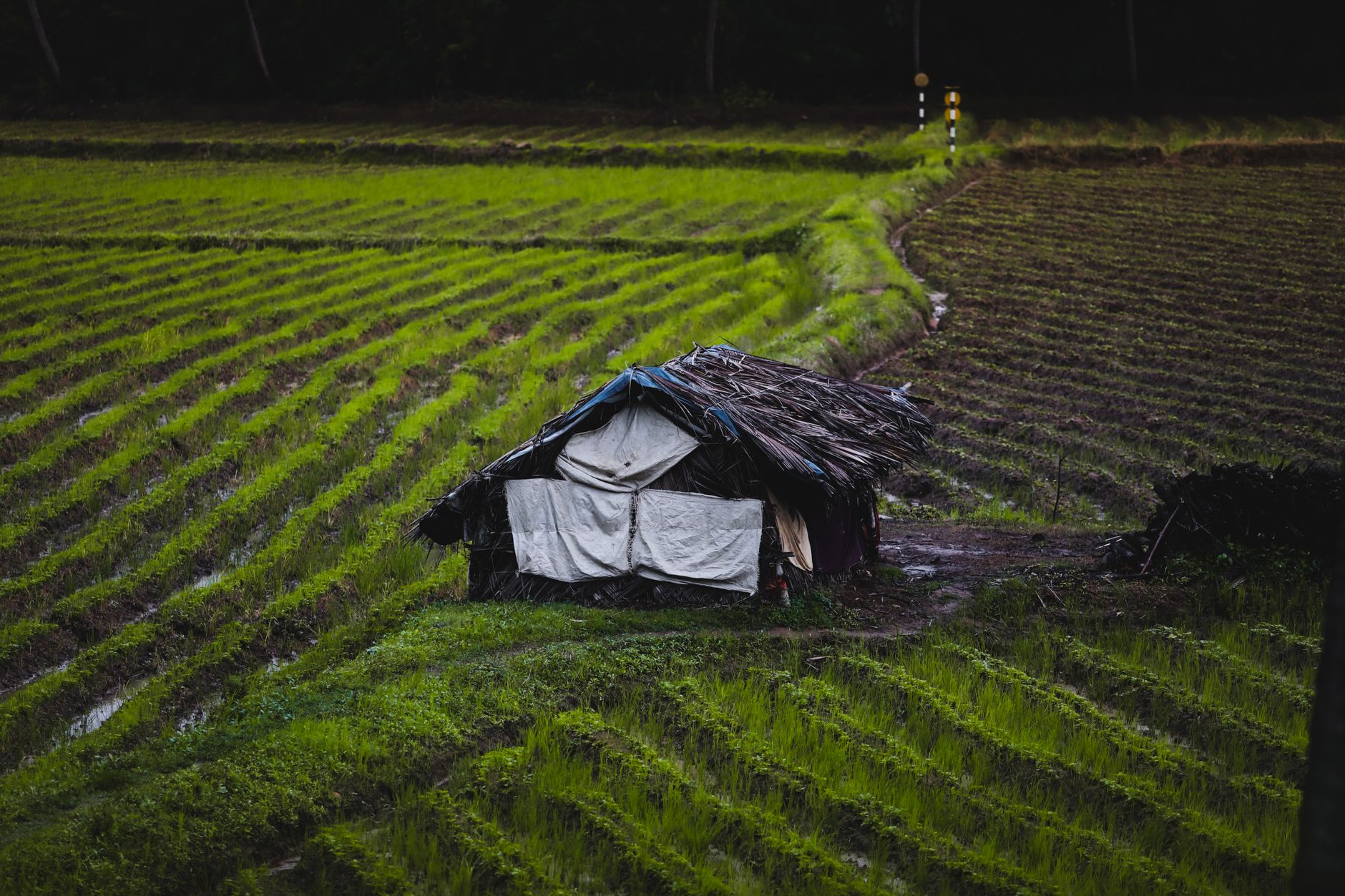
Quick Weather Overview for Manipal
Manipal's weather follows a strict monsoon pattern. June to September brings heavy rain—sometimes 500mm in a single month—with humidity hitting 85–95%. November to February is dry, with daytime temperatures 25–30°C and lows around 15°C. March to May is hot (28–35°C) and humid; September lingers wet. Choose late October to early March for the best trekking and beach conditions.
What are the monsoon months in Manipal?
June to September is monsoon season here. June arrives with the first heavy showers; July and August are the peak wet months. September remains wet but starts clearing by late month. Roads can flood. Visibility on treks is poor. Hotel rates drop 20–30% during this period, but landslides occasionally close the Konkan road (NH66) north to Murudeshwar.
If you must visit during monsoon, come in late June or early September when rainfall is lighter. Water activities and beach visits are risky; the sea turns rough, and swimming is unsafe.
Related: Infosys Gate 6 Electronic City Phase 1: Access, Parking & Visitor Guide
Related: Dandeli Resorts: Your Guide to Stays in Karnataka's Adventure Capital
Related: Elite Premium Homes in Bangalore: Luxury Living Guide
When is the best weather for visiting Manipal?
November to February is optimal. The northeast monsoon winds dry out the region. Days are warm (26–30°C), nights are cool (15–18°C), and rainfall is minimal. Hotel availability drops and prices rise 15–40%, especially December. Roads are clear. Visibility is excellent for trekking and photography.
Late October (post-monsoon) is underrated. Temperatures are still manageable (24–28°C), rain has stopped, and prices are lower than November. Hotels offer better deals before the tourist influx. Air feels fresher. This is ideal if you're flexible.
How hot is Manipal in summer?
March to May peaks at 32–35°C, sometimes reaching 36°C in May. Humidity sits at 65–75%. It's hot, but not unbearable for those accustomed to Indian summers. The elevation helps keep it 2–3°C cooler than nearby Udupi.
Comfort index drops in May. Travel early mornings or evenings. Stay hydrated. Light cotton clothing is essential. Summer hotels often run out of rooms by 2pm as families flee coastal heat. If coming in summer, book accommodation in advance and aim for mid-March to early April when temperatures are still manageable (28–32°C).
How much rain does Manipal get annually?
Manipal records 3,400–3,600mm of rain yearly—one of India's wettest regions. Around 90% falls June to September. Monthly breakdown:
- June: 800–900mm
- July: 700–800mm
- August: 600–700mm
- September: 400–500mm
- October: 100–150mm
- November–May: 50–200mm combined (mostly brief showers)
The Ghats' western slope faces the Arabian Sea monsoon directly, intensifying precipitation. This makes October–May the only reliably dry window for outdoor activities and sightseeing.
Monthly weather breakdown
January–February: Cool dry season. 26–28°C days, 14–16°C nights. Rainfall under 50mm. Best for trekking and exploring. Hotels full; book early.
March: Warm and dry. 28–32°C. Humidity starts rising (50–60%). Still good for travel. Prices soften compared to Jan–Feb.
April–May: Hot and humid. 32–36°C. Humidity 65–75%. Pre-monsoon thunderstorms possible, especially May. Avoid unless you tolerate heat well.
June: Monsoon onset. Heavy rain (800–900mm), temperature 24–28°C, humidity 85–90%. Roads wet; outdoor plans risky. Cheap hotel rates.
July–August: Peak monsoon. Constant rain. Temperature 23–26°C. Humidity 90–95%. Travel is difficult; treks waterlogged; visibility poor. Stay dry if visiting.
September: Monsoon tail. Heavy rain early month (400–500mm), clearing by late September. 24–27°C. Still humid (80%+). Roads start clearing by month's end.
October: Post-monsoon. Rain reduces sharply (100–150mm). Temperatures 25–29°C. Humidity 70–75%. Lush greenery. Good budget alternative to November.
November–December: Dry season peak. 25–30°C, low humidity (50–65%). December is coolest and busiest. Hotel prices high; book weeks ahead.
Packing tips by season
November–February (dry): Lightweight shirts, shorts, one thin jumper for cool evenings, hat, sunscreen, trekking shoes.
March–May (hot): Breathable cotton, shorts, wide-brimmed hat, UV sunglasses, electrolyte sachets, lightweight rain jacket for May storms.
June–September (monsoon): Waterproof jacket, quick-dry clothes, water-resistant bag cover, closed shoes, umbrella, moisture-absorbing powders.
October (transition): Layers—rain jacket plus light shirt. Humidity drops quickly; damp mornings, warm afternoons.
How does Manipal compare to nearby areas?
Manipal sits higher (568m) than coastal Udupi (sea level), making it 2–3°C cooler year-round. It's wetter than Bangalore (900km inland, 800mm annual rain) but drier than Agumbe on the southern Ghats (7,000mm annually). The monsoon here is intense but predictable. Unlike Coorg (70km south, higher altitude), Manipal doesn't get winter frosts. Unlike inland Chikmagalur, Manipal stays tropical—no winter chill below 14°C.
FAQ
Q: Is Manipal safe to visit during monsoon? A: Physically safe, but impractical. Landslides occasionally close NH66. Beaches are unsafe for swimming (rough seas, strong currents). Outdoor activities are severely limited. Come October onwards instead.
Q: What's the coldest month? A: January. Nights dip to 14–16°C; days are 26–28°C. Still mild by Indian hill-station standards, but cool enough for a light jacket.
Q: Do I need insect repellent? A: Absolutely. Mosquitoes peak post-monsoon (October–November). Carry repellent sprays and wear long sleeves at dawn and dusk year-round.
Q: Can I visit for just 2–3 days? A: Yes. Manipal town's sights and nearby beaches (Malpe, Kundapura) take 2 days. Add trekking or Jog Falls day trip if staying longer. Timing matters—avoid June–August entirely for a short trip.
Related guides
Check /manipal for general travel information, including attractions and getting around. For detailed seasonal planning, see /manipal/best-time-to-visit.