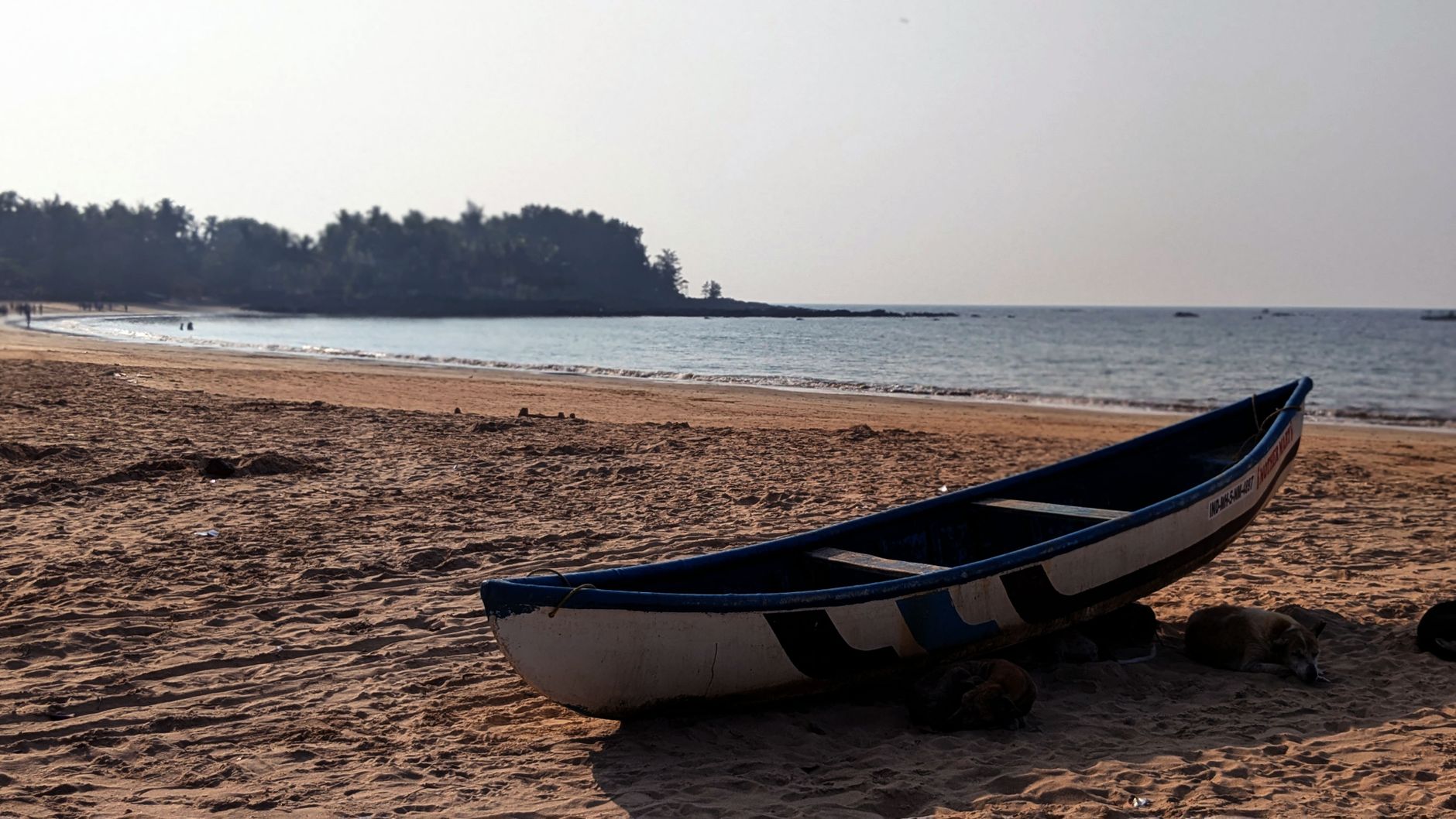
Karwar is Karnataka's hidden coastal gem, where Arabian Sea breezes carry stories of spice traders and naval history. From the pristine Devbagh Island to the crumbling ramparts of Sadashivgad Fort, this town rewards curious travellers with authentic coastal Karnataka experiences far quieter than Goa's tourist corridors. The best things to do here blend nature, heritage, and genuine local connection—not polished resort attractions.
Beach and Island Experiences

Devbagh Island is Karwar's crown jewel. This uninhabited island lies just offshore, accessible by boat (₹200–400 per person for group trips; private charters cost more). The approach alone is magical—turquoise shallows give way to dark sand beaches rimmed with casuarina trees. Snorkelling here reveals small coral patches and occasionally sea turtles. The island has no permanent structures, which preserves its quiet character. Go between October and March; monsoon swells (June–September) make boat access unsafe, and the sea turns brown with runoff.
Karwar Main Beach is the working heart of town. Fishing boats crowd the sandy shore at dawn; the air smells of salt, diesel, and drying nets. Walk here early (6–7 a.m.) to watch fishermen hauling catches and selling to wholesalers. This isn't a postcard beach—it's real, sometimes littered, always alive. The promenade has small tea stalls where locals drink chai and watch the horizon. This is where you sense Karwar's identity as a fishing town, not a resort destination.
Related: Things to Do in Bandipur: Attractions and Local Tips
See also: How to Reach Hampi from Bangalore: Train, Bus and Drive
See also: Jamesville, Bengaluru: A Local's Guide to This Residential Neighbourhood
Warship Bay and Kurumgad Island are less frequented alternatives. Local boatmen near the main beach arrange trips (negotiate prices; ₹1,500–2,500 for a small boat, 2–3 hours). Kurumgad has a crumbling Portuguese lighthouse and calm waters perfect for swimming on still days.
Historical and Scenic Landmarks

Sadashivgad Fort crowns a hill south of town, built in the 17th century by local rulers and later fortified by the British. The drive up narrow, overgrown roads feels like stepping into forgotten time. Once there, stone walls frame views of coconut plantations and the sea beyond. The fort is largely ruins—crumbling bastions, a small temple, scattered masonry—but the solitude is profound. Visit between November and February; in summer (March–May), the exposed hilltop becomes intensely hot.
Hanuman Statue at Reasoner Point stands on a rocky headland north of the beach. The walk (15 minutes from town) descends through cashew and coconut groves, then opens to a windswept point where a saffron-painted deity overlooks the sea. Local fishermen still leave offerings. The coastal views here are panoramic; sunset colours the sky amber and pink.
Rabindranath Tagore Beach (sometimes called Tagore Sands) is a quieter stretch south of the main beach. Tagore visited Karwar in 1914 and loved its natural beauty. The beach is broad and relatively clean, good for long walks without crowds. During monsoon, wild waves churn; September–October sees dramatic skies and moody atmospheric light.
Nature and Local Experiences

Karwar Backwaters and Kayaking: Guided kayak trips explore the lagoons and creeks behind town. These shallow waters are fringed with mangroves where herons and kingfishers hunt. Local outfitters (ask at your hotel) arrange morning or evening paddles (₹800–1,500 per person, 1.5–2 hours). The light at dusk turns the water silvery; the soundscape is just bird calls and paddle strokes.
Spice Plantations Near Karwar: The hinterland grows cardamom, pepper, and coconut. A few small estates welcome visitors. Ask locally or check with your hotel; half-day visits (₹2,000–4,000 per group) include walks through aromatic groves and explanations of harvest cycles. The smell of ripening cardamom and fresh soil is intoxicating, especially after rain.
Birdwatching: Karwar's lagoons and scrubby coastal habitat attract migratory species October–March. Flamingos, pintails, and terns are common. The best time is early morning, December–February. Bring binoculars; patient observers will see 30+ species in a few hours. Local birdwatchers sometimes guide informal walks—ask at hostels or the tourist office.
Dining and Local Food
Karwar's food is fish-centric and honest. Visit Kumta Fish Market (20 km south, a day trip) to see the auction and buy catch directly. Back in Karwar, small shacks near the main beach grill mackerel, pomfret, and king fish (₹150–400 per plate). The flavour is pure—minimal spice, maximum freshness. Eat lunch around noon when boats have just landed.
Try Karwar-style Prawn Curry at local dhabas: prawns cooked with coconut milk, tamarind, and red chillies. It's not fancy, but it tastes of the sea.
Practical Recommendations
When to Visit: October–February is ideal. Temperatures are mild (20–28°C), rainfall is sparse, and the sea is calm for island trips. March–May brings heat (30–35°C) and occasional wind, making water activities uncomfortable. Monsoon (June–September) renders beaches grey and boat trips risky, though the landscape is lush and prices drop sharply.
Where to Stay: Sterling Karwar is Karwar's main upmarket option (4 stars, 8.0/10 rating), well-positioned on the beach. For mid-range comfort, Marron Sea View Resort (3 stars, 8.6/10) offers good value. Budget travellers often cross into Goa; Gateway Goa, Palolem (5 stars, 9.4/10) and Bhakti Kutir Huts (3 stars, 8.2/10) are 90 minutes south and offer quality at different price points.
Getting Around: Hire a scooter (₹300–500/day) to reach forts and plantations. Taxis are available but pricier. Local buses connect Karwar to Goa (2 hours) and Belgaum (6 hours).
Local Tips: Dress modestly near temples and fishing villages. Don't photograph fishermen without asking—many are protective of their livelihoods. Carry cash; card facilities are limited. The tourism office near the main beach has maps and can arrange guides (usually ₹500–1,000/day). Learn a few Kannada phrases; locals appreciate the effort.
FAQ
Is Karwar better than Goa beaches? It's different, not objectively better. Karwar is quieter, greener, and more authentically small-town. Goa has more restaurants, nightlife, and infrastructure. Choose Karwar if you seek solitude and authentic local life; choose Goa if you want comfort and entertainment.
Can I visit Devbagh Island in monsoon? Not safely. June–September, swell and currents make boat trips dangerous and unpleasant. Visit October–March instead.
How far is Karwar from major cities? Mangaluru is 230 km (4.5 hours by road); Goa is 60 km (1.5 hours); Belgaum is 350 km (7 hours). Most visitors arrive from Goa or Mangaluru.
What's the language spoken in Karwar? Kannada is primary; Hindi and English are widely understood, especially in tourist areas and hotels. Learning basic Kannada greetings enhances your experience.