Things to do in Hampi: attractions and local tips
Hampi is a sprawling open-air museum of 14th-century Vijayanagara ruins scattered across roughly 26 square kilometres, ringed by the Tungabhadra River and chaotic granite boulders. Beyond the famous temples lie hidden bazaars, riverside walks, village homestays, and viewpoints where the light turns the stone golden at dusk. Whether you're here for the architecture or the landscape, three days is the realistic minimum to feel the place; one day leaves you rushing.
What are the must-see temples and monuments?
Virupaksha Temple dominates the bazaar area—a working 15th-century shrine with a towering gopuram and inner sanctums that still hum with ritual. The stone-carving detail repays slow looking; notice the pillar-carvings of Krishna's life as you climb. Entry is free, but arrive before 9 a.m. to dodge crowds.
Krishna Temple, set back from the main bazaar, is architecturally finer—its columns more delicate, its courtyards quieter. The intricate stone reliefs here are among the best preserved; the river-facing platform is golden light at sunset.
Related: Bangalore to Mysore by Train: Vande Bharat vs Shatabdi Express – Which is Better?
See also: Mysore Palace Illumination: When to See It and Photo Tips
Related: Things to Do in Chikmagalur: Attractions and Local Tips
Hemakuta Hill temples reward a short climb (20 minutes from the bazaar). Two small 13th-century shrines sit atop a boulder-strewn summit with views across the ruins landscape and towards the Tungabhadra. Go early or late to avoid midday heat and tour groups.
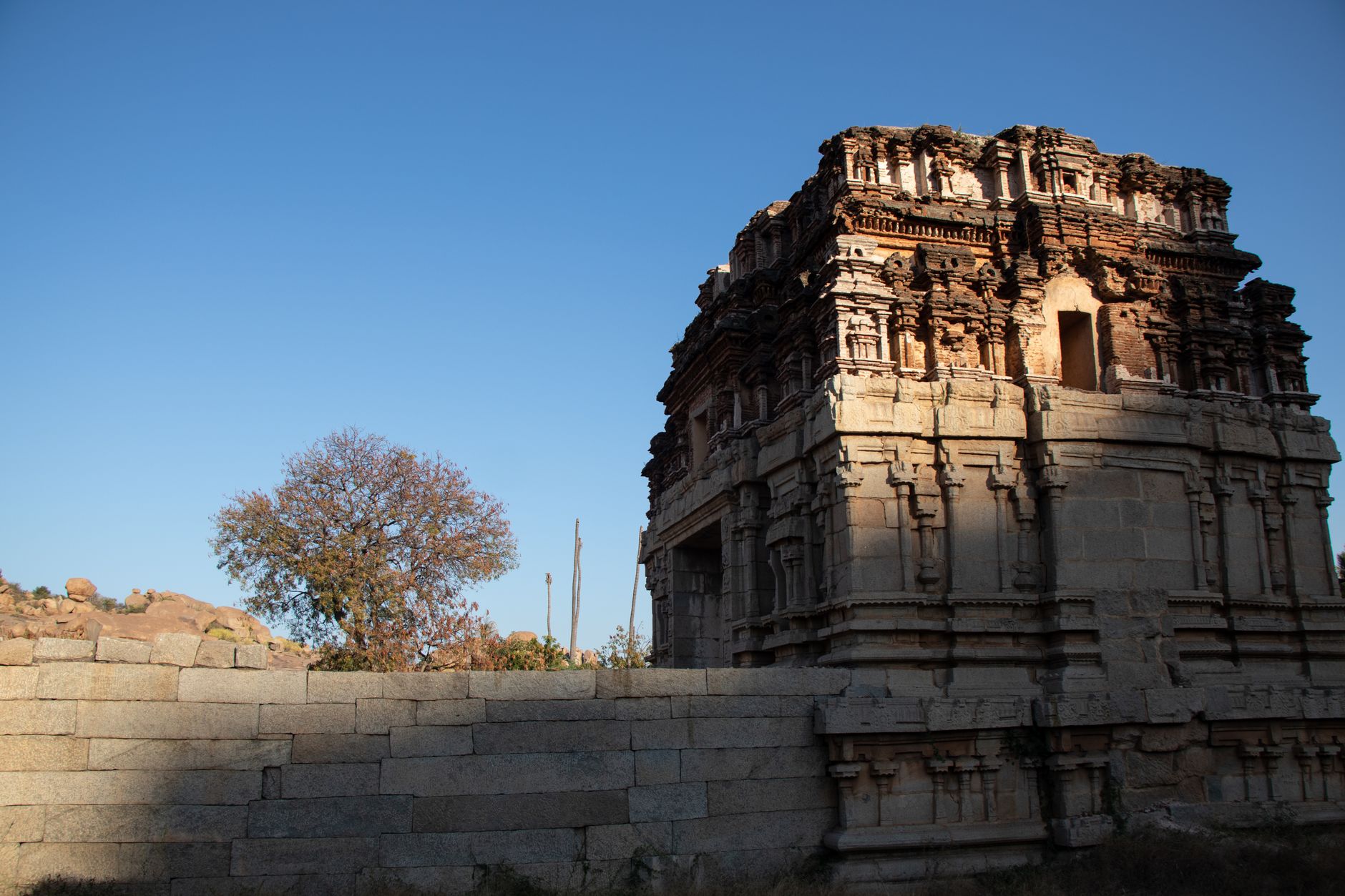
Achyutaraya Temple, further south near the river, is less crowded and impressively large. Its platform and pillared halls are intact; you'll often have them mostly to yourself. The walk there passes through cultivated fields and offers a sense of rural Hampi.
Vittala Temple, roughly 2 km east, is the showpiece—its ornamental carved pillars are justifiably famous, and the stone chariot (albeit restored) dominates the courtyard. Go early; it gets very busy. The musical pillars are overrated as a tourist draw, but the temple's overall grace is undeniable.
How do you explore beyond the main ruins?
Hire a guide (₹800–1200 for four hours) from the bazaar—they'll point out details you'd miss and help you navigate between sites efficiently. Alternatively, cycle or walk if you're fit; the landscape is beautiful, though distances are deceptive in heat.
Boulder hiking is one of Hampi's distinct pleasures. The granite formations around Hampi Hill and near Hemakuta are climbable (and slippery—wear proper shoes). Scrambling up to small shrines or viewpoints scattered between boulders gives you a scrambler's-eye view of the landscape. Go with a local guide for safety.
Coracle rides on the Tungabhadra are meditative—those round, basket-like boats are slower and quieter than speedboats, and you'll see fishermen, riverside palms, and the opposite bank's temples from water level. Early morning is best. Arrange through your hotel or the bazaar; expect ₹300–500 per person.
Village walks around Kamalapuram or Anegundi reveal working agriculture, local homes, and smaller shrines untouched by the main tourist routes. You'll meet farmers, see children, eat street food in actual villages. This is where Hampi feels alive rather than archaeological.
Which are the best viewpoints and lesser-known spots?
Matanga Hill, just south of Virupaksha Temple, offers the most comprehensive sunset view across the ruins. The climb takes 30 minutes; arrive by 4.30 p.m. to secure a good spot. The light turns everything warm orange; it's worth the effort and the crowds.
Anegundi village across the river (accessible by coracle or a longer walk via a dam) is remarkably peaceful. A few homestays and small eateries sit amongst banana groves and paddy fields. Visit the Durga Temple ruins here for solitude and river views without the tourist infrastructure.
Underground Shiva Temple near the bazaar is easily missed but striking—a small shrine built partially into a cavity in the rock, with water pooling inside. It's cool on hot afternoons and nearly always quiet.
Monkey Temple (Hanuman Temple) sits on a high rock outcrop north of the bazaar. The climb is steep (about 20 minutes), but the isolation and views justify it. Monkeys are indeed present; keep bags secure.
What's the practical reality of visiting?
Timing and seasons: October to February is genuinely pleasant—cool mornings, warm afternoons, clear light. March to June is brutal (40°C+); early morning and evening are your only comfortable hours. July to September sees monsoon; many guidebooks discourage this, but the landscape is extraordinarily green, light is softer, and you'll be almost alone. Humidity is high, but it's feasible.
Getting around: The bazaar and main temples (Virupaksha, Krishna, Vittala) are walkable or a short rickshaw ride from guesthouses. Further sites (Achyutaraya, Hemakuta Hill) warrant cycling or guided tours. Distances are longer than they appear on maps; budget time generously.
Where to stay: Budget travellers cluster in the bazaar near Virupaksha Temple—it's touristy but convenient. Zostel Hampi (Gangavathi) offers dorm beds and social energy. For mid-range comfort with good reviews, Hotel Malligi and Hotel Hampi International are reliable. If you want more space and quiet, the resorts outside the bazaar—like Heritage Resort Hampii or Royal Orchid Central Kireeti Hampi—are worth the extra cost. WelcomHeritage Shivavilas Palace sits at the luxury end with genuine character.
Food: The bazaar eateries are aimed at tourists and patchy. Breakfast (dosa, idli) is reliable; main meals are less dependable. Carry snacks. Better restaurants operate near mid-range hotels. Water is essential; carry at least 2 litres per person on walking days.
Guides and practicalities: Hire a guide for one full day to grasp the layout and history. After that, wandering on foot or by cycle is more rewarding. The ₹600 combined entry ticket (all major temples) is good value if you're thorough; day-trippers should prioritise Virupaksha, Krishna, and Vittala.
How much time do you really need?
One day: Virupaksha, Krishna, and Vittala temples only. You'll see the highlights but miss the character.
Two days: Add Hemakuta Hill, coracle ride, Achyutaraya Temple, and a viewpoint at sunset. You'll feel the landscape and rhythm.
Three days: Include boulder hikes, a village walk, Anegundi, and slower looking at architectural detail. This is the sweet spot.
FAQ
Q: Is Hampi safe for solo travellers? A: Yes. It's well-trodden by backpackers and solo visitors. The bazaar is busy and safe; walking alone at dusk in remote temple areas is fine, though more pleasant with a companion.
Q: Can I visit Hampi as a day trip from Bangalore? A: Technically yes (roughly 350 km, 6–7 hours each way), but it's exhausting and you'll only see temples in a rush. A minimum of two nights is genuinely better.
Q: Are there entry fees for temples? A: Yes. A combined ticket (₹600 Indian nationals, higher for foreigners) covers major sites. Some smaller temples and village shrines are free.
Q: What's the best time to visit? A: October–February for comfort and clear light. Monsoon (July–September) is green and atmospheric but humid. Avoid March–June heat unless you're committed to early starts.