Things to do in Chitradurga: attractions and local tips
Chitradurga's appeal rests on its formidable fort complex, where every bastion and gateway tells stories of rulers who understood terrain and power. The town itself feels less touristed than Bengaluru or Mysuru, which means the experience centres on substance rather than spectacle—crumbling walls, working temples, and neighbourhoods where daily life continues much as it has for generations. If you're travelling through central Karnataka, Chitradurga offers genuine historical depth and a chance to move at a slower pace.
What makes Chitradurga worth visiting?

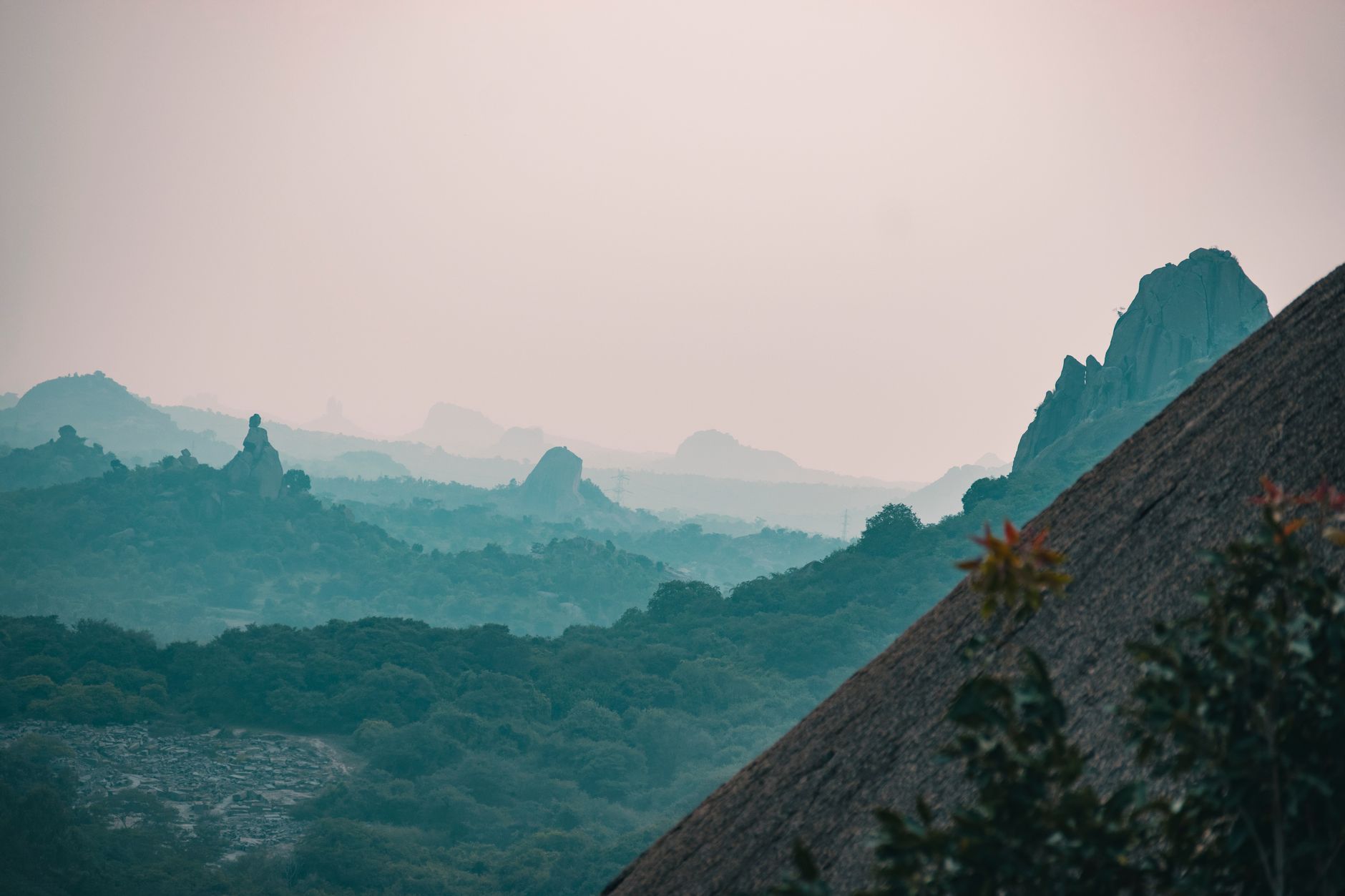
The town's primary draw is undoubtedly Chitradurga Fort, a seven-peaked structure that once served as a crucial stronghold between empires. Walking its walls gives you perspective on medieval defensive logic—the narrow gateways, multiple enclosures, and elevation all serve military purpose rather than grandeur. The fort's antiquity feels present in a way that many restored monuments don't; you're exploring stone that's weathered four centuries of monsoons and conflicts.
Beyond the fort, temples scattered across town provide spiritual context and architectural interest. The town sits at an intersection of trade routes and kingdoms, which shaped both its strategic value and its cultural composition. This layered history makes Chitradurga worth a full day rather than a rushed checkpoint.
Related: Yoga Teacher Training in Mysore: How to Choose a School
See also: Coorg with Kids: Family-Friendly Stays and Activities
See also: Murudeshwar with Family: Best Stays and Activities
Chitradurga Fort: what to expect and how to navigate it
The fort complex sprawls across seven interconnected peaks, with multiple gateways, bastions, and internal fortifications. Entry is straightforward—a nominal fee grants you access to walk the outer and inner walls. The best approach is to arrive early, ideally by 8 or 9 a.m., when the stone is cooler and light is cleaner for photography.
The outer ramparts offer the most dramatic views across the surrounding plateau landscape, particularly from the northern and eastern sections where you can see agricultural land stretching toward the horizon. The inner fort contains remnants of royal quarters, granaries, and water systems that reveal how a garrison sustained itself during sieges. A local guide (available at the entrance, typically charging ₹300–500 for a group) adds genuine insight into the fort's military design and its role under different rulers—the Nayakas, the Mughals, the Marathas, and finally the British.
Wear sturdy footwear; the stone paths are uneven and can be slippery if wet. Carry water and a hat. The walk typically takes 1.5 to 2.5 hours depending on your pace and how many internal structures you explore.
Temples and religious sites within easy reach
Chitradurga has several temples worth visiting, though they're functioning places of worship rather than heritage museums. The Chandravalli Caves, about 20 km from town, combine Buddhist heritage with natural beauty—these are among Karnataka's oldest cave structures, with inscriptions and carvings that date back nearly two millennia. The caves sit in a landscape of red earth and scrub woodland, and visiting involves a modest walk uphill. The atmosphere is quieter than main temples, which some visitors prefer.
Within town, the Kumara Vyasa Temple and various smaller shrines offer glimpses into local devotional practice. If you're there during festivals, you might witness processions or ritual gatherings that give texture to the place beyond its physical structures.
Where to eat: local food and practical recommendations
Chitradurga's food reflects both its agricultural base and its position as a town where multiple communities have lived side by side. The local cuisine emphasises jowar (sorghum), millet, and locally grown vegetables, alongside preparations influenced by Kannada, Muslim, and Marathi foodways.
Maida rotli (refined flour bread) is a regional staple, often served with spiced curries. Ragi mudde—a dense, nutritious ball made from finger millet flour and eaten with sambar or vegetable curry—appears on many tables as a regular dinner, though visitors sometimes find it challenging if they're unaccustomed to such textures. Ghaas (a seasonal leafy vegetable preparation) and local pickle varieties are worth trying if eating in family-run establishments.
Small, family-owned eateries near the fort entrance and in the main market area serve lunch and dinner. These aren't restaurants with extensive menus; they serve what's cooked that day, which often means rice, roti, and one or two curries. This approach to eating is part of the experience—you adjust to what's available rather than ordering from a list.
For breakfast, look for places serving uppit (a semolina-based savoury dish), dosa, and local sweet preparations. Tea and coffee are standard, though milk is often boiled and sweetened rather than filtered through a modern method.
Practical tips for visiting
When to visit: October through February offers the most pleasant weather—mornings are cool, afternoons warm but not oppressive, and the landscape is green after monsoon. Summer (April–June) is extremely hot; avoid if you prefer comfort. The monsoon (June–September) makes fort walls slippery and visibility poor.
Getting there: Chitradurga sits on the highway between Bengaluru and Ballari, making it accessible by bus or car. The town has reasonable road connectivity. If you're driving, allow 2.5 to 3 hours from Bengaluru.
Where to stay: MySpace Chindanur Comforts offers a solid four-star experience with good ratings (8.2/10) if you want modern comfort. For a closer connection to the fort and local atmosphere, KSTDC Mayura Durg Chitradurga is positioned conveniently and carries historical resonance—it's run by the Karnataka State Tourism Development Corporation. If you prefer homestay character, Aarunya Home Stay - Pet friendly(with AC) has strong ratings (9.4/10) and allows you to interact with residents who can offer local knowledge.
Language: Kannada is widely spoken; English is less common in smaller establishments. Learning a few basic Kannada phrases helps, particularly when ordering food or asking directions.
Photography and behaviour: The fort is open to photography. Temples request removal of shoes and respectful behaviour. During prayer times, tourists are typically welcome to observe quietly from the side.
Local customs: If eating in family homes or homestays, it's courteous to ask before taking photographs. When visiting temples, offer small donations (₹10–50) at the entrance or at the deity. Don't step on threshold stones—they're considered sacred.
Day trip options from Chitradurga
If you're spending more than one full day, the Chandravalli Caves make an excellent excursion. The landscape around Chitradurga also includes several small tanks (reservoirs) and minor historical sites that local guides can suggest. Nearby Davangere (about 70 km away) has a different character—it's known for bidi production and has distinct local industries if you're interested in how smaller Indian towns function economically.
FAQs
How long should I spend in Chitradurga? A full day allows you to walk the fort (2–3 hours), visit one or two temples, eat lunch, and explore the town briefly. If you're interested in deeper history or want a relaxed pace, two days gives you space to visit Chandravalli Caves and sit with the atmosphere.
Is the fort difficult to walk? Are there facilities? The fort involves climbing and uneven stone paths, so reasonable fitness helps. There are no cafes or shops within the fort; bring water and snacks. Toilets are available at the entrance. Elderly visitors and young children should assess their comfort with walking roughly 3–4 km over 1.5–2 hours.
What's the best time of year to visit? October to February offers the most comfortable weather and clearest visibility. March and April are still manageable but hot. Avoid May–June (peak heat) and July–September (monsoon and humidity).
Can I hire a guide at the fort? Yes. Local guides gather at the fort entrance and charge ₹300–500 for a group tour lasting 1.5–2 hours. They provide context on military strategy, local history, and architecture. Booking through your hotel is also possible if you prefer advance arrangement.