Things to do in Belur: attractions and local tips
Belur is a compact town in Hassan district that rewards a slower pace of travel. The main draw is the Chennakesava Temple, a twelfth-century masterpiece of Hoysala architecture, but the real experience lies in wandering the surrounding lanes, watching local craftspeople at work, and eating well at modest family-run restaurants. Most visitors combine Belur with nearby Halebeedu, another temple town about 16 kilometres away, making a full day of medieval Karnataka's artistic achievement.
What is the Chennakesava Temple and why does it matter?
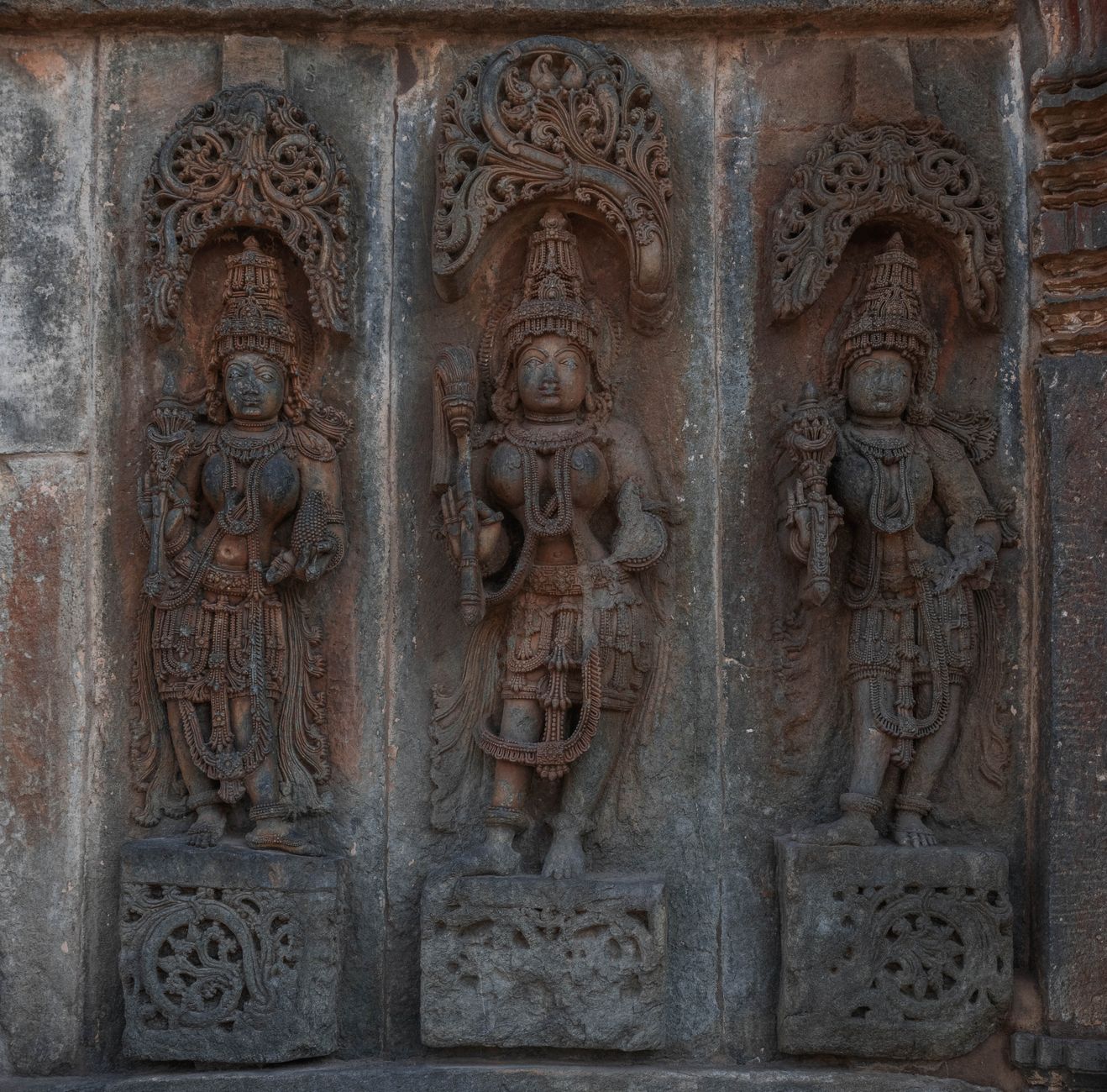
The Chennakesava Temple, built in 1116 CE by the Hoysala dynasty, stands as one of India's most intricately carved stone temples. The exterior walls are covered entirely in sculptural friezes depicting scenes from the Mahabharata and Ramayana, with horses, elephants, dancing figures and intricate floral patterns filling nearly every surface. Unlike many temples, the carvings remain relatively sharp because the soft soapstone responds well to preservation efforts over centuries.
Inside, the sanctum houses a black stone idol of Vishnu in a standing pose, the original form that gives the temple its name—Keshava, meaning 'one with beautiful hair'. The pillars inside the inner hall are individually carved and some rotate on their bases, allowing visitors to examine the work from different angles. Entry is free, though a small donation is customary. The temple complex opens early morning and remains accessible until early evening, with fewer crowds between 10 am and 2 pm if you want quieter exploration.
Related: Mangalore with Family: Stays and Things to Do
See also: Bidar with Family: Stays and Things to Do
Related: St. Philomena Church Mysore: Complete Visitor Guide
How do you experience local craft traditions here?
Belur has maintained a tradition of temple sculpture carving and silk weaving for generations. If you arrange in advance through your accommodation or ask locally, it's possible to visit small family workshops where artisans carve in soapstone using techniques passed down for centuries. These visits are informal and the craftspeople appreciate respectful interest; bringing a small gift or purchasing a piece directly supports their livelihood far more than buying from tourist shops.
The town's silk weaving units, though smaller than those in Mysore, produce fine sarees and fabrics. The Co-operative Silk Society and individual weavers' homes sometimes allow visitors to watch the process. The rhythm of the looms and the quality of natural dyes used create a meditative atmosphere. A traditional Belur silk saree typically costs between ₹2,500 and ₹5,000 depending on complexity, and you can be certain it's authentic when purchased directly.
What should you eat when visiting?
Belur's food is straightforwardly Kannada and vegetarian-leaning, though rice and ragi meals form the base of local diet. Visit small eateries near the temple's eastern entrance where you'll find excellent ragi mudde (finger millet balls served with sambar or vegetable curry) and jolada roti (sorghum flatbread). For lunch, look for the simple canteens where local families eat—these serve proper bisi bele bath (rice, lentils and vegetables cooked together), akki roti (rice flatbread) and fresh buttermilk.
The region produces excellent jaggery and there's a tradition of making dry fruit and vegetable pickles. If staying multiple days, try to source local holige (sweet flatbread filled with jaggery and lentils) from homes, not commercial bakeries, as the difference is substantial.
What's the best way to explore the surrounding area?
Rent a bicycle or scooter to visit Belur's quieter corners—the lanes away from the temple lead to paddy fields, small tanks (reservoirs) and rural homes where you can observe daily life unfolding. The walk to the nearby step-well (if still accessible) takes about 20 minutes and offers a sense of how water management shaped medieval settlements.
Halebeedu, 16 kilometres northwest, holds the Hoysaleswara Temple, which is arguably more ornate than Chennakesava Temple, though the main deity's sanctum was desecrated centuries ago. Combine both temples in one day by taking a local bus or arranging a driver. The journey between them passes through agricultural land and gives a genuine sense of Hassan district's rural character.
The smaller Lakshmi Narasimha Temple at Javagal (about 20 kilometres away) deserves a visit if you have time; it's less touristy and the rough landscape around it feels timeless. Local buses connect these towns, though timing is irregular—ask your accommodation for current schedules.
Which accommodation works best for different traveller types?
For comfort with good service, Pepper Corn Retreat by Travent Mug offers four-star facilities and an elevated experience in the region. Those seeking a balance of warmth and value should consider Sunshine International Boarding & Lodging, which offers solid three-star comfort with an 8.3/10 rating from regular guests.
For the budget-conscious, KSTDC Hotel Mayura Shantala Halebeedu in nearby Halebeedu provides government-run accommodation with essential comfort and a 7.4 rating. If you want a more personal stay, HALASE HOMESTAY brings genuine local hospitality, though review numbers are limited. Dwarasamudra Resort Belur sits as a middle-ground three-star option with access to temple views and local atmosphere.
How should you time your visit?
Belur is warm year-round but most pleasant between October and February when mornings are cool enough for unhurried temple exploration. The monsoon months (June to September) bring green landscapes but occasional heavy rain and reduced visibility on sculpture carving details. Summer (March to May) is extremely hot; if visiting then, start temple visits at sunrise and rest during the hottest hours (11 am to 4 pm).
The annual Belur Rathotsava, a chariot festival, draws crowds in late November or December—wonderful for atmosphere but uncomfortable if you prefer quieter exploration. Check local dates with your accommodation in advance if you're interested in witnessing it.
What practical details should travellers know?
Belur is a small town with limited ATMs; withdraw cash in Hassan town before arriving. Mobile network coverage is good but internet speeds vary by provider. Guides are available at the temple entrance; hiring one for an hour or two enriches understanding of architectural details and historical context, and costs around ₹300-500. Photography inside the inner sanctum is typically restricted out of respect.
Dress conservatively—shoulders and knees covered is respectful and practical for a temple visit. The town has a small government hospital and basic medicines are available at chemists near the main bazaar. Restaurants close by 8 pm, so plan dinner accordingly.
Visiting Belur works best as part of a broader Hassan district exploration; combine it with Halebeedu and perhaps Shravanabelagola (a Jain pilgrimage site about 50 kilometres away) to create a meaningful journey through medieval Karnataka's cultural landscape.
FAQ
Is one day enough to see Belur properly? Yes, if you focus on the Chennakesava Temple, a craftsperson's workshop visit and a local meal. Two days allows for Halebeedu and deeper exploration of rural surroundings; this is ideal if you're photographing the temples in different light.
Can I visit the temple sanctum where the main idol is housed? Depending on your religious background and the temple's daily policies, sanctum entry may be restricted. The outer halls, courtyards and sculptures are always accessible and contain most of the remarkable carving work anyway.
What's the transport situation from Bangalore or other cities? Belur is 220 kilometres west of Bangalore, roughly a five-hour drive or a bus journey via Hassan town (where you can change to a local bus). Hassan is the main transport hub; arrange transport from there if coming via public means.