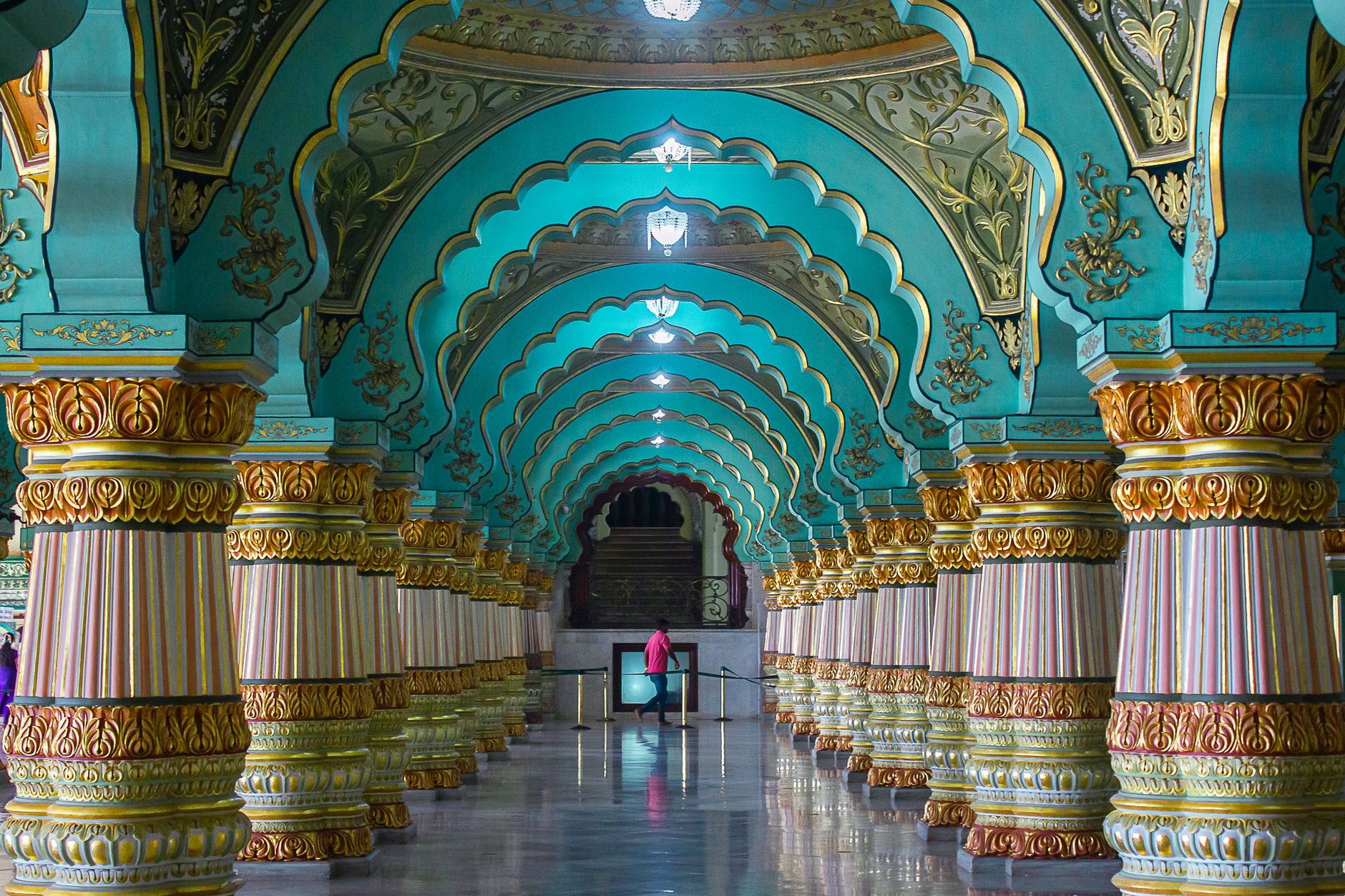
Mysore During Dasara: Festival Guide & Visiting Tips
Mysore transforms during Dasara (September–October) into a vivid celebration of victory and culture. The city's iconic palace glows with thousands of lights, streets fill with processions featuring decorated elephants, and markets buzz with festival energy. Plan ahead—hotels fill quickly and crowds peak during the ten-day festival.
What Makes Mysore's Dasara Special?
Dasara, meaning 'ten days', celebrates the victory of good over evil across Hindu tradition. Mysore's version is particularly grand—it's been celebrated here since the 16th century, with royal patronage transforming it into Karnataka's most elaborate festival. Unlike quieter regional celebrations, Mysore's Dasara draws hundreds of thousands of visitors, turning the entire city into a living cultural stage.
The festival culminates on Vijayadashami (the tenth day), when a grand procession—the Jamboo Savari—features ornately decorated elephants, tableaux, and performances moving through the city streets. It's theatrical and genuinely spectacular.
Related: Elegant Serviced Apartments in Karnataka: A Complete Guide
Related: Where to Eat in Coorg: Local Food Guide
Related: Best Homestays in Coorg with Coffee Estate Views
When Does Dasara Happen, and What's the Best Time to Visit?
Dasara dates vary each year (it follows the lunar calendar). In 2026, Dasara runs from October 3–13, with the main procession on October 12. The festival technically spans ten days, but visitor numbers peak during the final three days and the day after (when crowds thin slightly but celebration continues).
Best time to visit: Days 7–9 (if you can handle crowds) capture the full energy. If you prefer fewer tourists, visit on days 2–4, when major events still happen but streets are less congested. Avoid October 12 itself unless you're prepared for 500,000+ people and multi-hour queues.
Weather in early October is warm but manageable—temperatures hover around 28–32°C with occasional pre-monsoon showers. Bring light cotton clothing and sunscreen.
Palace Illuminations: What You'll See
The Mysore Palace becomes the visual centrepiece of Dasara. Every evening from 7 pm to 9:30 pm, the palace (built in 1897) is illuminated with approximately 100,000 light bulbs—a practice revived in 2010 after a gap of several decades. The effect is mesmerising: the Indo-Saracenic architecture glows golden against the night sky, reflecting in the surrounding tanks and gardens.
Visit early in the festival (days 2–5) for shorter queues. Entry is typically ₹50–100 depending on the area. Arrive by 6:30 pm to secure a good viewing spot; the best positions fill within an hour. Photography is allowed, but use a tripod or higher ISO settings as artificial light can be tricky. The palace gardens remain open during the day too, offering quieter exploration opportunities away from evening crowds.
The Jamboo Savari Procession: Logistics and Timing
The Jamboo Savari (elephant procession) is Dasara's centrepiece. Typically held on Vijayadashami (October 12, 2026), it starts around 4 pm from the palace and winds through city streets—a 5–6 km route that takes 2–3 hours. You'll see caparisoned elephants (the lead elephant carries a golden howdah), decorated horses, tableaux on cultural themes, military bands, and thousands of attendees in traditional dress.
Viewing strategy: Arriving early is non-negotiable. Plan to reach your chosen spot by 2 pm; prime locations near the palace or Mysore Race Course fill by midday. Standing spots are free, but bring water, a hat, and patience—you'll wait 90–120 minutes before the procession arrives. Paid seating in temporary stands is available (₹200–500 depending on location); book through the Mysore Palace or local tourist offices at least a week in advance.
Alternatively, watch from quieter stretches along the route (Hunsur Road or further sections) where you'll get views with fewer crowds but slightly later timings.
Cultural Events and Markets Beyond the Palace
Dasara isn't just the palace and procession. Across Mysore:
Cultural events: Concerts of Carnatic music and Kathak dance happen at venues like Kalamandira and the Palace grounds. Check the Dasara schedule published by the Mysore District Administration (available online by late September) for timings and free or paid entry.
Flower markets: Jasminum market and surrounding areas explode with flower garlands, marigolds, and jasmine—colourful and fragrant but chaotic. Visit early morning (6–8 am) before street traffic peaks.
Textiles and crafts: Devaraja Market and KR Market showcase traditional silks, sandalwood, and wooden toys. Expect inflated festival prices and aggressive haggling; budget accordingly.
Food stalls: Temporary food courts near the palace and Race Course serve local specialities—payasa, chikhalwali, and dosas. Quality varies; choose stalls with visible queues.
Accommodation and Practical Planning
Rooms across Mysore (budget to luxury) are often fully booked 2–3 weeks before Dasara. If visiting, book immediately upon finalising dates. Mid-range properties in the Gokulam or Mysore Palace West areas offer decent value and proximity to key sites. Budget options fill fastest; advance booking is essential.
Booking tips: Use direct hotel websites or contact tourist offices; some properties extend check-in/check-out flexibility during the festival. Prices increase 30–50% during Dasara.
Transport: Mysore's roads become congested; arriving by train or early morning is preferable to daytime driving. Local auto-rickshaws quadruple fares during the festival—negotiate or use pre-booked services. Walking to the palace area on festival days is often faster than driving.
Crowds and safety: Dasara is generally safe, but petty theft increases in dense crowds. Keep valuables secure and avoid wandering alone late at night. Stay hydrated and wear comfortable shoes—you'll walk far more than expected.
How Does Mysore's Dasara Compare to Other Celebrations?
Karnataka hosts Dasara across many towns (Tumkur, Chitradurga), but Mysore's is unmatched in scale and pageantry. The palace illuminations are unique to Mysore; elsewhere, celebrations centre on temple rituals and smaller processions. If you're in Karnataka during October and want the most immersive festival experience, Mysore is the clear choice.
Day Trips and Extensions
If you're spending 2–3 days, consider visiting Ooty (120 km; 3 hours drive) for contrast, or Bandipur (80 km; 2 hours) for wildlife and tranquillity. Both are close enough for day trips if festival chaos becomes overwhelming. Alternatively, explore Mysore's quieter attractions—Chamundi Hill temple, Ranganatittu Bird Sanctuary—in the mornings before evening palace crowds build.
FAQ
Q: Can I visit Mysore for Dasara if I haven't booked accommodation yet? A: It's risky. Hotels are typically full by mid-September. Expand your search to nearby towns (Srirangapatna, Mandya) and commute, or contact the Mysore District Tourism office for last-minute options. Online platforms sometimes release cancellations.
Q: Is the palace procession free to watch? A: Yes, standing view is completely free along public streets. Paid seating in reserved stands costs ₹200–500. The palace illumination requires paid entry (₹50–100).
Q: What's the best way to avoid Dasara crowds entirely? A: Visit Mysore in August or late October. The palace, Chamundi Hill, and Ranganatittu are beautiful and peaceful year-round without festival crowds or inflated prices.
Q: Will I need to carry cash? A: Yes, bring substantial cash. While digital payments work, temporary market stalls and smaller vendors, particularly during the festival, prefer cash. ATMs often run out of notes during peak festival days.