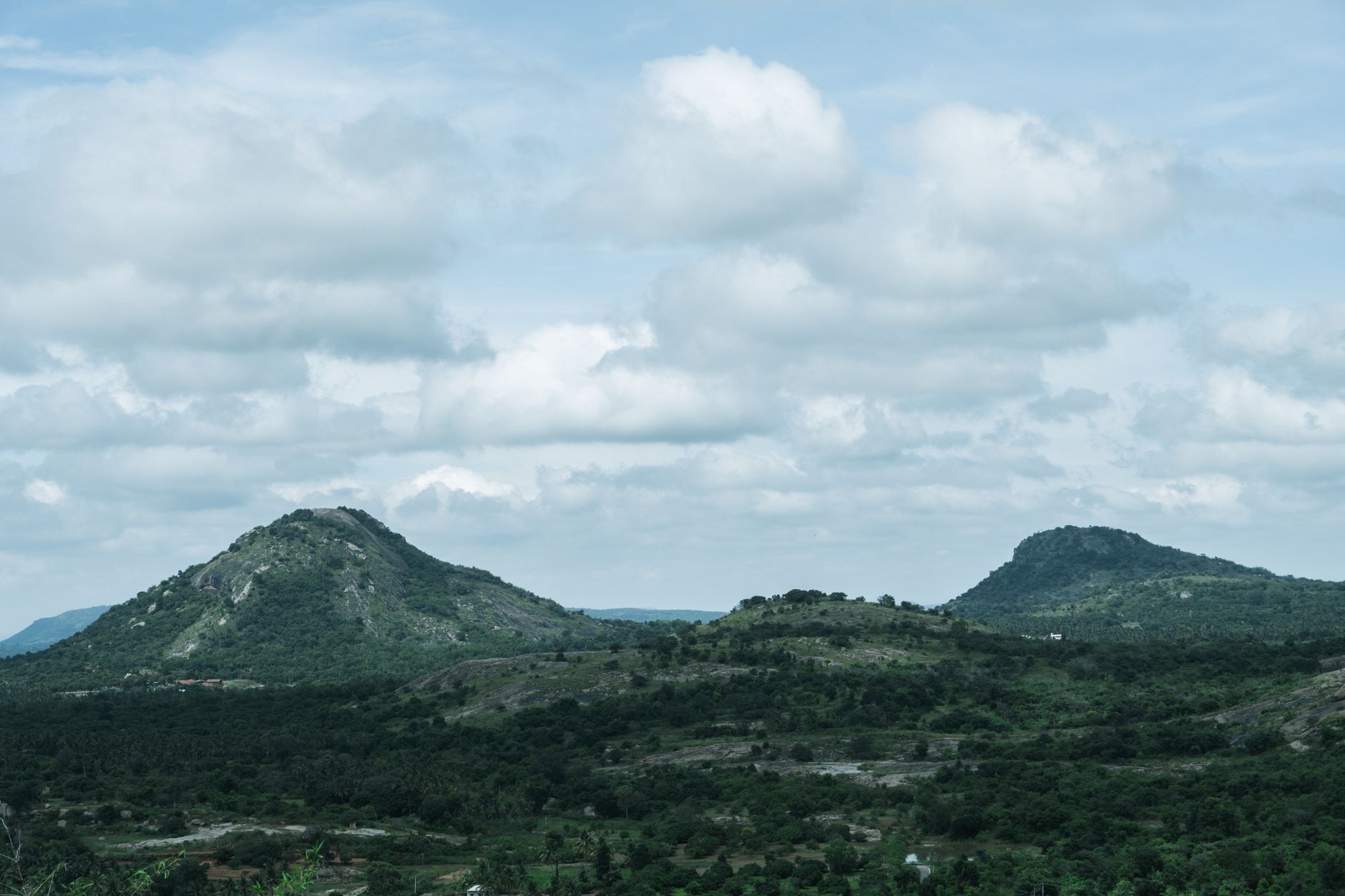
Mountain Shades in Karnataka: Forest Canopies and Cool Retreats
Mountain shades in Karnataka mean cool forest canopies under the Western Ghats, misty valleys that drop temperature by 10–15°C, and shaded estate trails winding through coffee and spice plantations. The best experience comes during monsoon and post-monsoon months when mist clings to slopes and shade is deepest.
What exactly is "mountain shade" in Karnataka's geography?
In the context of the Western Ghats, mountain shade refers to the natural cooling effect of altitude, dense forest canopy, and mist. Altitude here ranges from 600m to 1600m, creating microclimates where temperatures are consistently 10–15°C lower than the plains below. The shade is physical—thick canopy coverage from evergreen and semi-evergreen forests—but also atmospheric, as mist and cloud cover settle on slopes, diffusing direct sunlight.
This phenomenon is strongest in monsoon (June–September) and post-monsoon (October–November), when clouds sit low and mist blankets the hillsides from dawn until 10 or 11 a.m. By December, skies clear; shade remains cool but is less dramatic. Summer (March–May) brings clearer air, less mist, and hotter afternoons—though mornings and forest floors remain shaded and pleasant.
Related: Karanji Lake and Kukkarahalli Lake: Mysore Morning Walks
Related: Days Suites by Wyndham Whitefield: Location, Amenities & Booking Guide
Related: Amogha International Hotel Chitradurga: Location, Amenities & Booking Guide
Where to experience the deepest mountain shades?
Coorg (Kodagu district) is the quintessential mountain shade destination. The rolling hills around Mercara and the valleys of Talakaveri receive consistent mist and are carpeted with coffee estates and evergreen forest. Trails through estates pass under tall shade trees—silver oak and native species—creating a perpetual half-light. The air feels cool and damp year-round but is most dramatic August–October.
Chikmagalur, particularly around Mullayanagiri and Baba Budan Giri, offers high-altitude shade. Forests here are dense, and early morning walks reward you with mist so thick you see only 20 metres ahead. The shade here is accompanied by the smell of wet earth and coffee flowers (if visiting blooming season, December).
The Nilgiri–Wynad border, accessible via the Bandipur–Mudumalai route, presents dramatic shade in the form of dense shola (montane grassland) and forest transitions. Shaded camping sites and forest walks here feel remote and cool even in March.
Shimoga district, near Jog Falls and Kundadri Hill, offers shade through less-touristed forest zones. The moist deciduous forest here is thick enough to block afternoon sun, and streams run cooler.
Seasonal comparison: when is shade deepest?
Monsoon (June–September): Shade is most complete. Mist rises from 9 a.m. onwards, and by midday, you're walking in cloud cover. Humidity is high (70–90%), which can feel dense if you're not accustomed to it, but the sensory experience is immersive: wet leaves underfoot, the sound of water rushing down streams, and the smell of rich soil and spice. Rain is frequent; you'll need waterproof layers.
Post-monsoon (October–November): Ideal balance. Mist is still present in early mornings and valleys but clears by late morning. Shade remains deep from forest canopy, but you have 4–6 hours of clear afternoon light for exploration. Temperatures range from 15–22°C. This is peak season—expect more visitors on popular trails.
Winter (December–February): Nights are cold (8–12°C at altitude), but days are clear and sunny. Shade is present but less dramatic; mist is rare. Early mornings feel frigid; afternoons warm quickly. Best for those who prefer clarity and don't need constant cooling.
Summer (March–May): Shade exists but is less pronounced. Afternoons can reach 22–28°C at altitude (compared to 35°C+ in plains). Forest floors remain cool due to canopy, but you're not surrounded by mist. Early mornings (5–7 a.m.) offer the best shade and coolest air. Not recommended if your primary goal is to escape heat.
How to maximise shade on mountain trails?
Timing matters most. Start walks at 6–7 a.m., when mist is thickest and shade is complete. By 11 a.m., mist lifts and sun penetrates canopy more directly. For afternoon exploration, choose forest trails over open ridges and estate roads.
Follow water. Streams and waterfall approaches are shaded year-round and feel 3–5°C cooler than surrounding trails because of evaporative cooling and proximity to water.
Choose evergreen and mixed forests over deciduous. Evergreen forests (found at higher elevations and in wetter zones) maintain thick canopy year-round. Deciduous forests (lower elevations, Shimoga district) lose leaves March–May, reducing shade.
Stay on estate roads through plantations. Coffee and cardamom estates are intentionally planted with shade trees (silver oak, native species). Walking through these is cooler and more meditative than open forest paths.
Use mist as a guide to altitude. If you're driving uphill and mist appears, you're entering the shade zone. Continue to that elevation.
Mountain shade for different traveller types
Seeking coolness and escape from heat: Visit Coorg or Chikmagalur, June–November. Aim for elevations above 1000m. Stay on shaded trails; avoid midday sun exposure.
Wanting atmospheric beauty and photography: Post-monsoon (October–November) offers mist without the wetness and constant rain. Early mornings are magical; bring a camera and good hiking boots.
With young children or elderly family: Winter (December–February) is safer; trails are drier and temperatures are predictable. Altitude-related breathing issues are rare below 1600m, but take acclimatisation seriously at Mullayanagiri.
Interested in ecology and forest study: Any season works, but monsoon (July–September) is when forest activity is highest. Trees are flowering and fruiting; insects and birds are active. Guides in Coorg and Chikmagalur can explain spice cultivation and native species.
What to pack for mountain shade regions?
- Layers: A lightweight fleece or merino wool layer; shade keeps you cool, but movement generates heat.
- Waterproof jacket: Essential June–November; useful even in December if there's early-morning mist.
- Good walking shoes: Trails are often muddy and slippery, especially post-rain.
- Hat and sunscreen: Even in shade, UV reflection is strong at altitude.
- Reusable water bottle: Stay hydrated; the cooler air can mask dehydration.
- Camera or phone with good low-light performance: Mist and dense shade make daytime look like dusk.
Honest trade-offs to know
Deeper shade (monsoon) means higher humidity, frequent rain, and leeches. Leeches are harmless but unpleasant; salt or insect repellent deters them. Clearer skies (winter and summer) mean less dramatic shade and cooler experience. If you visit in dry season expecting the misty, cool mystique of monsoon, you may feel disappointed.
Roads to shade zones are winding and can take 3–6 hours from Bangalore. Plan travel time generously.
Related reading
For more on specific regions mentioned:
- Coorg guide and best time to visit
- Chikmagalur: trekking and forest exploration
- Shimoga and surrounding forests
- Wynad border and Bandipur wildlife zone
FAQ
Q: Which month has the most consistent mountain shade? A: October and November. Mist is still present from monsoon, but rain is infrequent and trails are passable. December onwards, mist reduces significantly.
Q: Is altitude sickness a concern in Karnataka's mountains? A: Rarely. Most shade zones are 600–1400m. True altitude sickness occurs above 2500m. However, if you arrive from sea level and immediately trek at 1600m (Mullayanagiri), take a day to acclimatise.
Q: Can I experience mountain shade without trekking? A: Yes. Drive through estate roads, stop at viewpoints, and take short walks (20–30 minutes). Estate homestays and forest lodges offer shaded grounds and veranda sitting—equally rewarding.
Q: What's the humidity like in deep shade zones? A: Monsoon: 70–90% (feels dense). Post-monsoon: 60–75% (comfortable). Winter: 50–65% (dry and pleasant). High humidity can feel uncomfortable to some; fans and good ventilation matter.