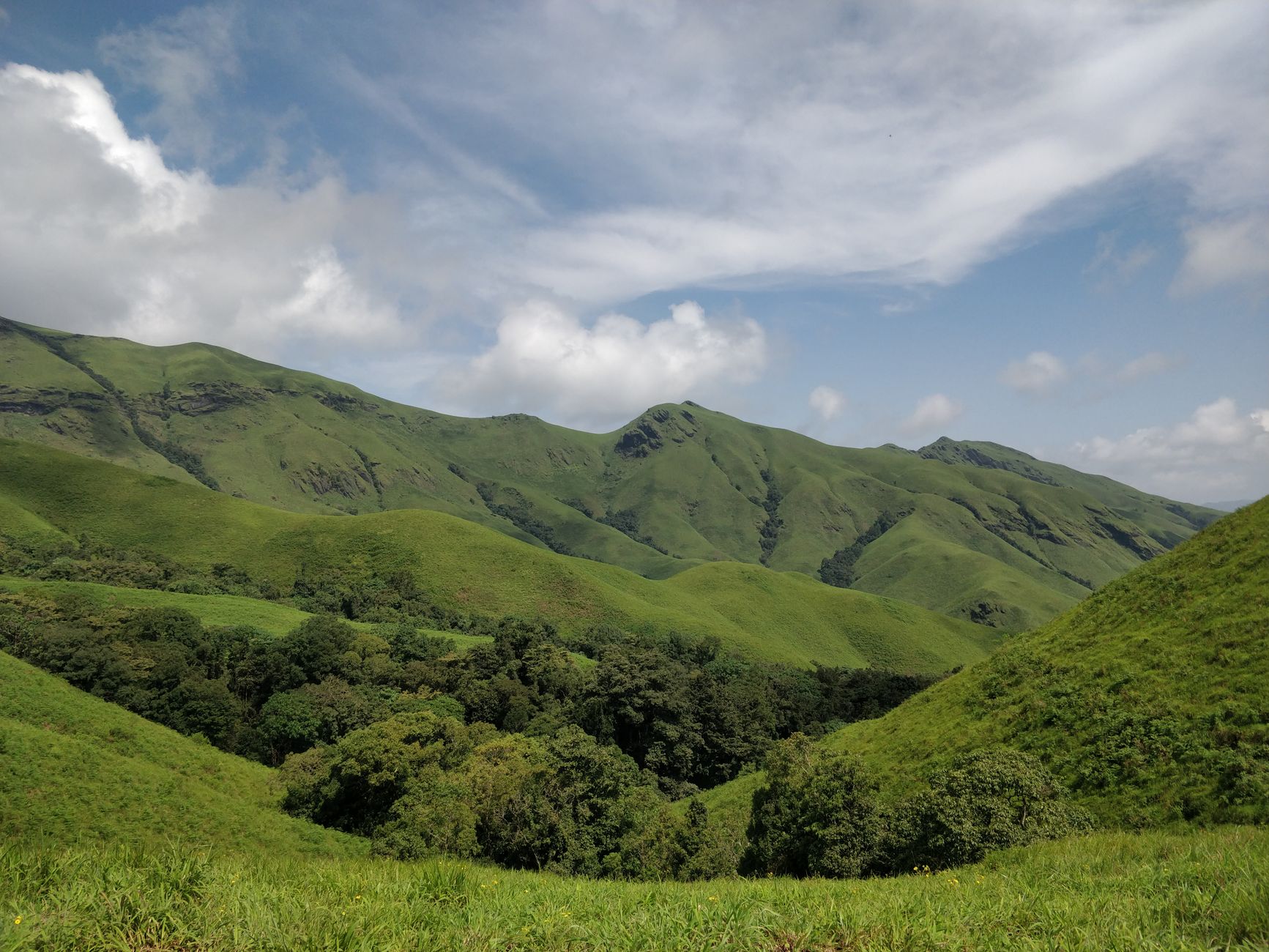
What is Manjarabad Fort and why visit?

Manjarabad Fort is an 18th-century star-shaped fortification built in 1792 near Sakleshpur in Hassan district. Its distinctive eight-pointed star design makes it rare in Karnataka. The fort sits at 970 metres elevation with sweeping views of the Western Ghats. Entry costs ₹10 per person. You'll spend 1.5 to 2 hours exploring the ramparts, bastions, and interior courtyards. Most visitors combine it with Sakleshpur's plantations or Jog Falls (60 km away).
How far is it from major cities?

Manjarabad Fort is 270 km from Bangalore (5.5 hours by car via Hassan). From Mysore it's 180 km (4 hours). Sakleshpur town is 5 km away. The road quality is mixed: National Highway 48 to Hassan is four-lane, then district roads are two-lane with occasional potholes. Hire a cab (₹3,500–4,500 return from Bangalore) or drive yourself. Public buses run from Bangalore to Sakleshpur (₹400–600) but require a local taxi from town.
What's the actual entry process?

There's a single entry gate on the southern side. Parking is free and reliable for 30–40 cars. No advance booking needed. Hours are 9 am to 5 pm daily. Bring your ID but it's rarely checked. The fort has two levels: the lower rampart (ground level) and upper bastions requiring stairs. Mobile network coverage is spotty—download maps offline. There are no food vendors inside; bring water and snacks.
Related: Bangalore to Mysore by Train: Vande Bharat vs Shatabdi Express – Which is Better?
See also: Hill Town Coorg: A Complete Guide to Karnataka's Mountain Escape
See also: Where to Eat in Dandeli: Local Food Guide
Best season to visit?
October to February is ideal. Temperatures range 15–25°C, skies are clear, and visibility extends 40+ km from the top. Avoid June to September (monsoon; slippery paths, clouds block views). March to May is hot (28–35°C) and hazy. Peak tourist hours are 10 am to 2 pm on weekends; go early or late for solitude.
What to expect on the ground?
The fort is a solid historical structure, not a ruin. Eight bastions jut out at angles—each once held cannons. Stone pathways wind between them, with grass and wild shrubs filling the interior courtyard. The outer rampart is 1.2 metres thick in places. Climbing to the highest bastion takes 15 minutes and rewards you with unobstructed views of Sakleshpur's coffee plantations and distant peaks. The design was built to maximise cannon coverage and was ahead of its time for Indian military architecture.
Where to stay near Manjarabad Fort?
Sakleshpur, 5 km away, has the most options. Rosetta Sakleshpur (5-star, 9.2/10 rating) is the premium choice with spa and organic farm experiences—₹8,000–12,000 per night. Machaan Plantation Resort Sakleshpur (4-star, 9.0/10) offers plantation stays at ₹4,500–7,000. Mid-range: Unlock by Goldfinch Sakleshpur (4-star, 8.3/10, ₹3,500–5,500) and Tapovana The Fern Sakleshpur, Series by Marriott (4-star, 8.0/10, ₹4,000–6,000). Budget: Srinivasa Residency (3-star, 6.3/10, ₹1,500–2,500). Most hotels are 5–15 km from the fort; expect 15–30 minutes by road.
What else is near Manjarabad Fort?
Sakleshpur's coffee and spice plantations (homestays available). Jog Falls is 60 km north (2 hours)—one of India's highest waterfalls, worth a day trip. Kemmanagundi is 45 km east (hill station with scenic walks). Belur and Halebidu temples are 80 km east (historical importance). Plan 2–3 days in the region to cover the fort plus one or two additional sites.
How long should you spend at the fort?
90 minutes is standard. If you're photographing or sketching, allow 2 hours. The fort itself is small—you won't find museums, restaurants, or guided tours inside. The experience is self-directed: climb the ramparts, appreciate the architecture, enjoy the views, photograph the star shape from the high bastions. Most people arrive by 10 am and leave by noon.
Photography tips?
The fort photographs best in morning light (6:30–8:30 am) when shadows emphasise the star geometry. Afternoon light is harsh. For aerial shots, a drone is useful if regulations permit (check locally first). The stone is weathered and photogenic. Wide-angle shots from the highest bastion capture the entire star layout; bring a 24–35 mm equivalent. Mobile phones work adequately if you have good light.
Are there guides available?
Not officially. Local taxi drivers in Sakleshpur know the fort's history and can drive you there (₹1,500–2,000 for a day). Sakleshpur tourism office (0 km away) has basic information. For deeper context, read about Tipu Sultan's military innovations before visiting; the fort's design reflects his engineers' strategy. No audio guides or QR codes are in place.
Accessibility and difficulty?
The fort has no wheelchair access. Paths are uneven stone with loose gravel. The climb to the top bastion involves stairs and uneven surfaces—doable for fit adults but challenging for elderly visitors or those with mobility issues. Wear proper walking shoes, not sandals. The site is exposed; bring a hat and sunscreen.
FAQs
Is entry free? No. It costs ₹10 per person. Parking is free.
Can we visit in monsoon? Not recommended. Paths become slippery, visibility drops to 5 km, and the fort loses appeal. Come October onwards.
How long from Bangalore as a day trip? Feisible but tiring. Leave at 6 am, reach by noon, spend 2 hours at the fort, leave by 3 pm, return by 9 pm. Better to overnight in Sakleshpur.
What's the nearest town with supplies? Sakleshpur, 5 km away, has petrol, food, and shops. The fort itself has nothing.
For context on the region, see our Sakleshpur guide and best time to visit Hassan district.