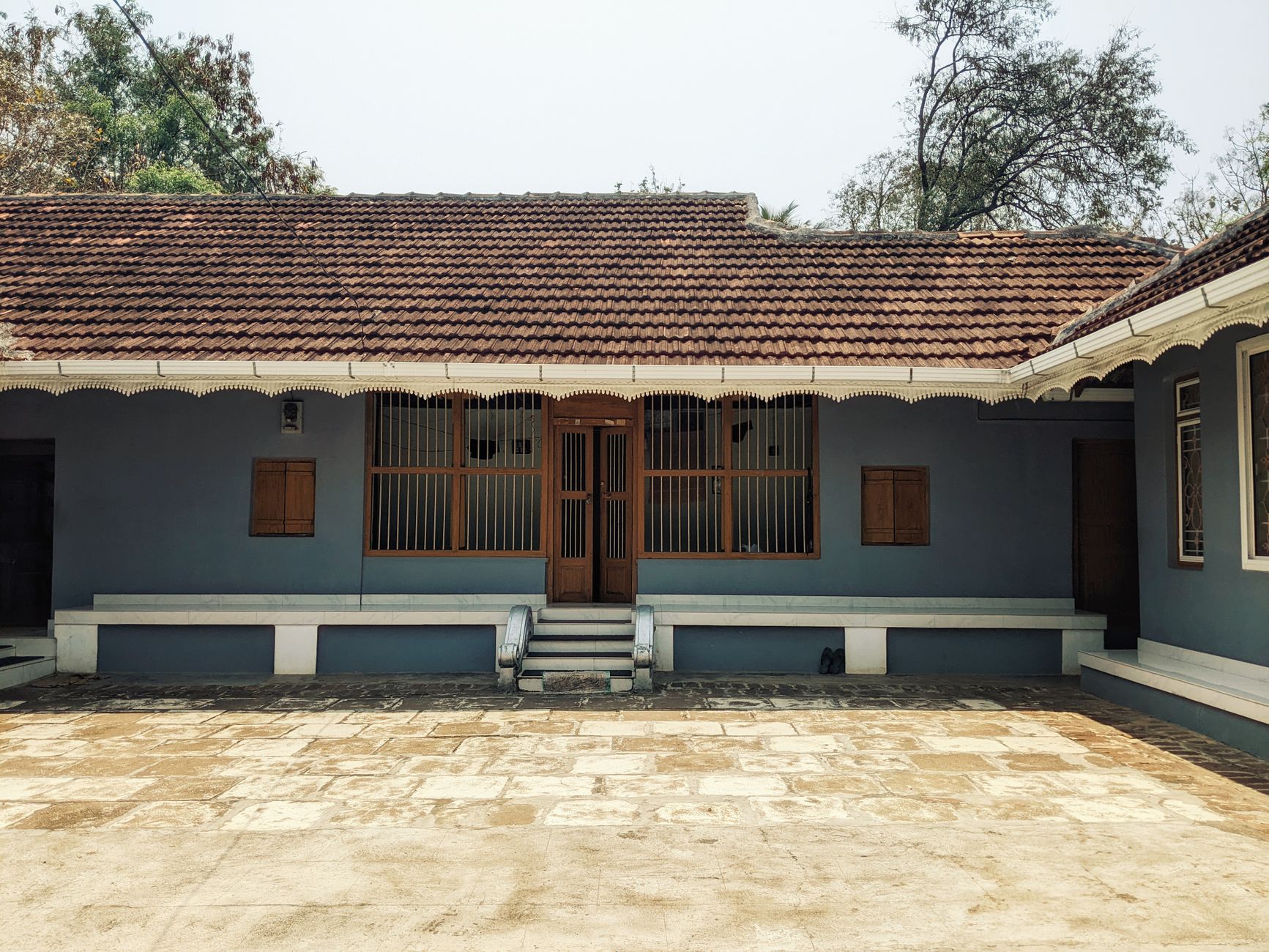
Mani Mansion Coorg: A Historic Coffee Estate Stay
Mani Mansion represents a rare opportunity to sleep inside Coorg's coffee estate heritage. This restored colonial-era property sits within working coffee plantations, offering guests genuine proximity to the rhythms of estate life—morning birdsong through cardamom groves, the scent of wet earth during monsoon, the quietness that comes with altitude and dense forest canopy. Whether you're drawn by nostalgia for a vanishing era of estate living or curiosity about how coffee planters once inhabited these hills, Mani Mansion delivers sensory immersion rather than resort polish.
What is Mani Mansion, and why should you visit?
Mani Mansion is a heritage coffee estate house, carefully restored to retain period character whilst meeting modern guest expectations. The property sits within active coffee and spice plantations in Coorg's coffee belt—the region that defined the state's agricultural identity and continues to supply some of India's finest arabica and robusta beans.
The appeal here is specificity. You're not visiting a hotel that happens to be near plantations; you're staying within a working estate ecosystem. Mornings bring actual plantation sounds: leaf-cutter birds, the calls of Malabar parakeets, sometimes the rustle of movement through coffee bushes as farm workers begin their day. The air carries genuinely different scents across seasons—the green, almost sweet smell of growing coffee in pre-monsoon months; the rich earthiness of wet fermented soil during the rains; the dry, faintly spiced air of the dry season.
Related: Aasare Beach Park: Photos, Location & What to Expect
Related: Hotels in Hampi Karnataka: Where to Stay in This UNESCO World Heritage Site
Related: Where to Eat in Sakleshpur: Local Food Guide
If you're interested in colonial history, agricultural heritage, or simply want to understand how estates functioned across generations, Mani Mansion provides direct context. You can walk the property boundaries, watch estate operations, and stay in spaces where the architecture and furnishings reflect the tastes and constraints of a particular historical moment.
When should you visit Mani Mansion?
Dry season (November to May) offers the most comfortable experience. December through February brings cool mornings (15–18°C at elevation), brilliant clarity, and minimal rain. Plantation work continues steadily, and the landscape holds its vibrant greens without the heaviness of prolonged moisture. This is peak season; book well ahead.
March to May warms considerably (25–32°C by afternoon), though mornings remain pleasant. The estate still functions normally, but the sensory experience shifts—less lush, more parched, the coffee bushes show stress if irrigation is inadequate.
Monsoon (June to September) transforms the property into something altogether different. Rain arrives in sheets, especially July and August. The plantation canopy becomes almost impenetrably green, mist clings to the hillsides, and the air is thick with moisture and the smell of rich, working soil. If you visit during these months, expect: frequent power interruptions, occasional landslips on approach roads, limited visibility for long-distance views, but also profound silence, dramatic cloud formations, and the genuine sound of rain on a tin roof—deeply atmospheric for some, claustrophobic for others.
Some estate roads become challenging during peak monsoon (July–August), which can isolate the property. Confirm road conditions before booking.
How does Mani Mansion compare to other heritage estate stays in Coorg?
Coorg has several heritage properties, each with distinct character:
Estate immersion vs. resort comfort: Mani Mansion prioritises authentic estate setting over amenities. You'll find charm, history, and genuine connection to agricultural rhythms, but potentially basic furnishings and fewer mod-cons than a contemporary hotel. Other heritage properties may offer more services alongside heritage positioning.
Active plantation experience: Mani Mansion sits within working estates. You can observe coffee and cardamom cultivation, watch seasonal harvesting, and understand the economic reality of estate farming. Properties built purely as heritage hotels may lack this daily operational context.
Isolation and quiet: The property's remoteness is both asset and consideration. If you seek solitude and forest soundscapes, this is genuine. If you prefer proximity to shops, restaurants, and towns, Coorg's main settlements like Madikeri offer more accessibility from alternative properties.
Architectural period: Mani Mansion represents a specific colonial-era aesthetic—the building style, material choices, and spatial arrangement reflect the time it was built. Guests interested in architectural history will find deliberate authenticity here.
What can you actually do at Mani Mansion?
Unlike conventional hotels with activity packages, Mani Mansion's appeal lies in slow, observational engagement:
- Walk the estate: Spend hours moving through coffee and cardamom plantations, observing growth cycles, and understanding intercropping systems that have defined Coorg agriculture for two centuries.
- Sit and read: The quiet is genuine enough for deep concentration and reflection.
- Photograph: Colonial architecture, plantation landscapes, mist-covered hills, and wildlife photo opportunities abound, especially during monsoon.
- Speak with estate staff: Conversations with long-term plantation workers often reveal histories and perspectives rarely shared in formal contexts.
- Experience seasonal work: During harvest months, you may observe coffee picking or spice harvesting, depending on timing and the estate's current operations.
- Birdwatch: Coorg's elevation and forested setting attract species like the Nilgiri flycatcher, Malabar whistling-thrush, and Asian black eagle, particularly during migratory seasons.
There are no in-property restaurants, spas, or structured activities. Nearby Madikeri and smaller settlements offer restaurants and shops, but meals at the mansion itself tend to be arranged in advance—family-style or self-catered depending on current arrangements.
Practical considerations before booking
Road access: Mani Mansion sits on plantation roads, not main highways. The final approach requires navigating narrow estate tracks, manageable in a car but not always straightforward in heavy rain. Confirm approach conditions, especially in monsoon.
Staffing and services: As a heritage property rather than a staffed resort, Mani Mansion operates differently than conventional hotels. Confirm what's provided (meals, housekeeping, transportation) and what you'll arrange independently.
Nearest amenities: The property is most useful as a multi-day base rather than a stopover. Madikeri, roughly an hour away depending on road conditions, provides groceries, restaurants, and services. Plan accordingly.
Booking: Mani Mansion is typically booked through heritage property agencies or direct contact rather than mainstream hotel platforms. Enquire well in advance, especially for peak season.
Photography requests: If you're keen to photograph the property or estate operations, clarify permissions and any restrictions with management before arrival.
Why Mani Mansion matters to Coorg's story
Coorg's identity rests on coffee cultivation. The crop arrived in the region in the 18th century, transformed the landscape, created wealth, and shaped settlement patterns. Properties like Mani Mansion preserve tangible evidence of how this transformation actually happened—how planters lived, how estates were structured, and how colonial-era architectural choices reflected both practical needs and cultural assumptions.
Staying here isn't novelty; it's historical engagement. You're inhabiting a built form that documents a specific moment in Coorg's development, and gaining sensory understanding of agricultural life that's increasingly rare.
Seasonal summary
Best for comfort and clarity: December–February
Best for atmospheric intensity: July–August (monsoon)
Best for budget: April–May or September–October
Avoid if you dislike rain: June–September
Avoid if you dislike crowds: December–January
FAQs
Can I visit Mani Mansion without staying overnight? Mani Mansion is primarily a residential property for guests booking multi-day stays. Day visits aren't typically available; it functions as an estate house rather than a heritage site with public hours.
What's the nearest town with restaurants and shops? Madikeri is the closest town offering restaurants, cafes, shops, and services, roughly 45–60 minutes away depending on approach road conditions. Arrange meals at the property in advance or plan a trip into town for dining out.
Is Mani Mansion suitable for families with children? Yes, if children are comfortable with quiet, rural environments and outdoor play without structured activities. The estate setting offers exploration, but there's no children's entertainment infrastructure. Very young children or those needing constant activity may find the quiet isolating.
When is the coffee harvest, and can I help? Coffee harvest typically runs August–October, varying slightly by altitude and weather. Whether guests can participate in picking or processing depends on current estate operations and prior arrangement. Enquire when booking; hands-on participation isn't guaranteed.
Do I need a car to stay at Mani Mansion? Since the property is remote and public transport is limited, independent transport is essential. Arrange a rental car in advance or hire a driver from Madikeri or other nearby towns.