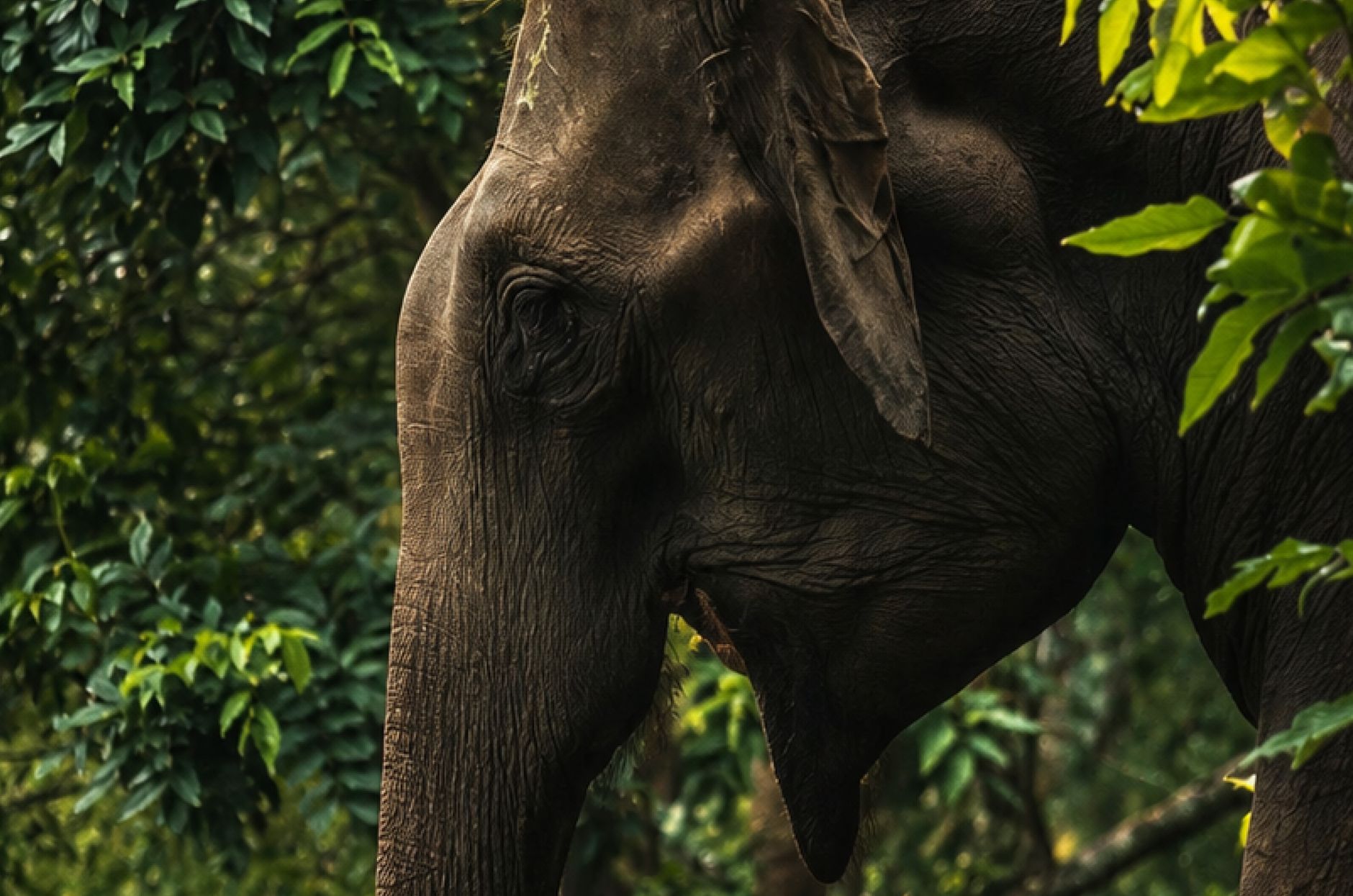
Madikeri Elephant Camp Timings and Visitor Guide
Madikeri's elephant camps open from 6am through to 6pm most days, though the quality of your experience depends heavily on which time slot you choose. Morning sessions between 6 and 9am capture the camps when elephants are naturally most active and alert, making this the genuinely rewarding window for observation and photography. Afternoon slots from 2pm onwards tend to be quieter in terms of elephant behaviour, though they suit those with later schedules or heat sensitivity.
What time should you actually visit?
The early morning slot—ideally between 6:30 and 8am—remains the most worthwhile period. Elephants feed more actively after overnight rest, their skin glistens with recent water bathing, and handlers are less rushed in their routines. The light at sunrise also suits photography without requiring heavy equipment. You'll typically join small groups of 4–8 visitors per session, making the experience more personal than midday visits when larger batches arrive.
If you're planning an evening visit (say, 4–6pm), expect a quieter atmosphere with fewer other tourists, though the elephants themselves are often resting or less engaged than earlier in the day. This slot works well if you're visiting Madikeri town for other reasons and want to combine activities.
Related: Railway Museum Mysore: Is It Worth Visiting?
Related: Hotel Swarnaa Paradise: Location, Rates, Amenities & Reviews
Related: Coracle Rides in Hampi: Price and Experience Guide
How long do sessions last?
Most camps structure visits as 60–90 minute experiences. This typically includes 15–20 minutes of interaction (feeding, touching, sometimes bathing), observation time with the mahout, and a brief walk through the camp grounds. Some premium experiences stretch to two hours and include tea or light refreshments. Budget 2–3 hours total when accounting for travel to the camp, parking, and any paperwork on arrival.
Booking and advance notice
Contrary to what many assume, walk-ins to Madikeri's camps are rarely turned away entirely, but you'll face significant waiting times (often 2–3 hours) during peak months like December through February and school holidays. Booking 24 hours ahead—through your accommodation, a local travel agent, or directly with the camp if you have their contact details—costs marginally more but guarantees a specific time slot and often includes transport or clearer directions.
When you do visit, arrive 15 minutes early. Entry gates are located about 8km from Madikeri town centre; ensure you've arranged transport or confirm pickup times if the camp includes this.
Daily closure and seasonal variations
Most camps remain open year-round, including weekends and public holidays, though some temporarily close during particularly heavy monsoon spells (mid-June through early August) when muddy terrain becomes genuinely hazardous. A quick phone call to your chosen camp confirms operating status before travelling. A few camps take one day per week (often Monday or Wednesday) for mahout rest and elephant health checks, so if you have strict dates, confirm this isn't a closed day.
What to expect during your session
Arrive dressed in clothes you don't mind getting wet or muddy. Morning sessions frequently include a water interaction where elephants wash themselves and sometimes their visitors; mornings feel fresher and less murky than afternoons. Handlers will brief you on safety—notably, staying to the elephant's side rather than directly behind, and respecting that these are working animals rather than entertainment performers. If you're uncomfortable with any part (bathing, for example), clearly state this beforehand without hesitation; good camps easily adapt.
The experience centres on observation and gentle interaction rather than riding or acrobatic displays. You'll help feed the elephant palm fronds, touch its trunk, and watch the mahout work. Cameras are welcome, though flash photography disturbs animals, so avoid it even if tempted.
Season considerations for timing your visit
During monsoon (June–September), camps operate but sessions are shorter and more cautious due to slippery ground. September–October brings lower humidity and clearer morning light, making 6–7am particularly worthwhile. November through February is peak season, when both camps and the town fill noticeably; book well ahead and expect crowds even at 6:30am. March–May brings heat; later afternoon or early morning sessions become more essential for both comfort and animal welfare.
For detailed information about planning your Madikeri visit, see our Madikeri guide and best time to visit Madikeri for seasonal conditions affecting camp operations.
Which camps operate these hours?
Madikeri has several established elephant camps within a 5–15km radius of town. The main operations maintain broadly similar timings (6am–6pm) but differ in philosophy, elephant welfare standards, and group sizes. Some prioritise interaction; others focus more on observation and education. When booking, ask directly about their mahout training practices, veterinary care, and how many elephants they work with—this shapes the ethical quality of your visit more than timing alone.
Avoid any camp claiming to offer elephant rides or performances as standard parts of their routine; genuine interaction-focused camps reserve these for special circumstances and don't push them.
Practical timing tips
- Transport: Madikeri town to camp takes 15–30 minutes depending on which camp and traffic. If not included, arrange auto-rickshaw or cab time accordingly.
- Weather: Morning light is strongest 7–9am; afternoon sessions benefit from softer light after 4pm but elephant activity drops notably.
- Group size: Early slots (6:30–7:30am) attract fewer bookings than 8–9am, offering a slightly more intimate experience if you don't mind the earlier start.
- Breakfast: Most camps lie outside central Madikeri, so eat beforehand or request light snacks when booking.
FAQ
Are camps open every single day of the year? Almost always, yes—though during severe monsoon spells (rare) a camp might close temporarily for safety. Check a day before if monsoon season coincides with your visit.
Can I visit a camp with young children? Most camps accept children from age 3–4 upwards, though some require adult supervision during interaction. Ask when booking; mahouts will adapt demonstrations if your child is hesitant.
What if the morning session doesn't suit my schedule? Afternoon slots (2–4pm) run regularly and work perfectly well for observation, just expect less elephant activity and more heat. Early evening (5–6pm) is a reasonable compromise if you can't manage 6–7am.
Do I need to book weeks in advance? Not typically—24–48 hours is usually sufficient outside December–February. During peak season, aim for a week ahead to secure your preferred time.