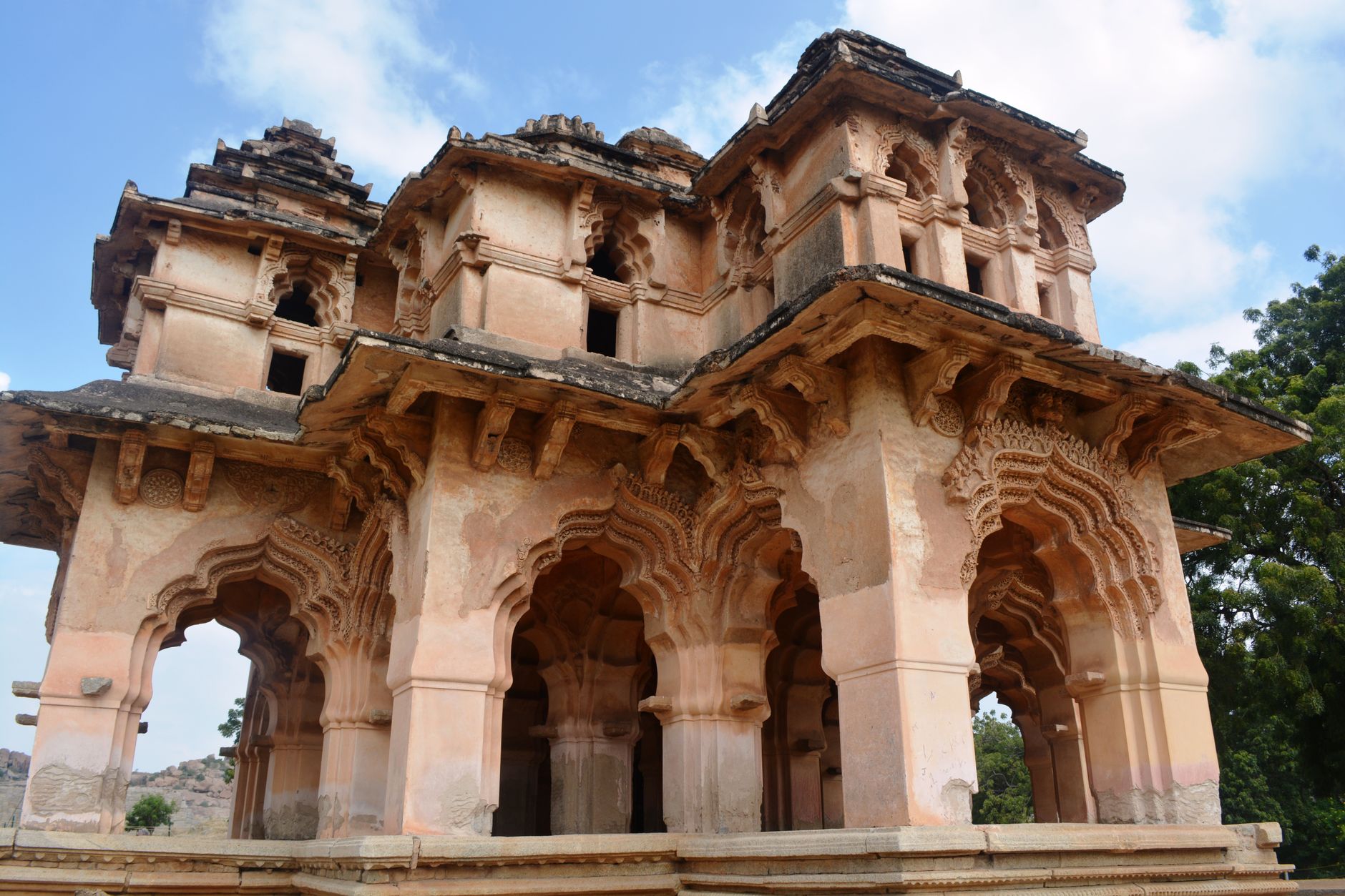
Lotus Hotel in Karnataka: A Guide to Staying at This Heritage Property
Lotus Hotel is a mid-range property that blends period architecture with contemporary hospitality, typically located in or near a historically significant Karnataka town. Rather than being a luxury resort, it functions as a comfortable base for travellers interested in local culture, heritage walks, and regional food—the kind of place where staff know the area genuinely and can point you toward neighbourhood restaurants most tourists miss.
What makes heritage properties like Lotus Hotel appealing?
Heritage hotels in Karnataka occupy a peculiar space in the travel market. They're not lavish five-stars, nor are they budget guesthouses. Instead, they offer: period character (often colonial or traditional architecture), walkable proximity to town centres, reasonable value, and staff familiarity with local history. If you're exploring Karnataka's smaller towns—places like Chikmagalur or other heritage zones—staying at a property with roots in the area beats a chain hotel in terms of atmosphere and local knowledge.
The appeal lies partly in authenticity. A heritage hotel typically hasn't been gutted and rebuilt; it's been adapted for comfort whilst retaining original features. That means creaky wooden floors, high ceilings, and the feeling of actually staying somewhere, rather than in a standardised room that could exist anywhere.
Related: Udupi with Family: Stays and Things to Do
Related: Hassan with Family: Stays and Things to Do
Related: Hotels Near IIM Bangalore: Where to Stay for Campus Visits & Business Trips
Practical considerations before booking
Location and access: Heritage properties are often in older town cores rather than highway zones. That's intentional—it puts you near markets, temples, and restaurants—but check the exact address and how it relates to the main road. If you're relying on local taxis or autos, confirm arrival procedures.
Amenities: Expect air-conditioned rooms, attached bathrooms, and perhaps a restaurant or breakfast service. Don't assume gym facilities, swimming pools, or 24-hour in-room service. Ask specifically about what you need: WiFi reliability (crucial if working remotely), hot water timing, or room temperature control. Many heritage properties are retrofitted unevenly—your room might be perfectly comfortable or slightly quirky.
Noise levels: Older buildings with high ceilings and period windows can carry street sound, especially in town-centre locations. If you're a light sleeper, inquire about quieter room positions.
Seasonal considerations: Heritage buildings sometimes lack modern climate control. In summer (March–May), confirm air-conditioning works properly. During monsoon (June–September), ask about dampness, particularly in lower-floor rooms.
How heritage hotels compare to other options in Karnataka
If you're choosing between a heritage property, a resort, and a modern hotel chain, here's the practical difference:
- Modern chain hotels (available in Bangalore, Mysore, Mangaluru): Predictable, efficient, business-friendly, but indistinguishable from anywhere else. Better for short city visits where you want reliability.
- Resorts (especially in coffee regions like Chikmagalur or near wildlife areas): Set in gardens or plantations, excellent for relaxation and nature activities, but isolated from towns and local life.
- Heritage properties: Walkable location, character, local knowledge, reasonable price, but less certainty about specific amenities—each is different.
For a first-time visitor exploring a historic town, a heritage property wins. For a pure relaxation break with planned activities, a resort might be better. For business efficiency, book a modern chain.
What to expect in the room and common areas
Typical heritage properties offer: a modest bedroom with a double or twin beds, period furniture (or period-style reproductions), en-suite bathroom with hot water, ceiling fan and air-conditioning, a bedside lamp, and probably a small desk. Common areas usually include a lobby with seating, a restaurant (or breakfast area), and possibly a courtyard. WiFi is standard but reliability varies—test it before deciding this is your work base.
Rooms are usually quieter in the evening once the restaurant closes. Checkout is commonly 11 or 12 noon, check-in at 2 or 3 p.m. Some heritage properties are stricter about timing; ask in advance if you need flexibility.
Choosing between heritage properties: key questions
-
Is the property actively managed? A heritage hotel still in family hands (rather than run as an investment property) tends to have better local engagement and more personal service.
-
How far from amenities? Can you walk to restaurants, shops, and temples? If everything requires a taxi, its location advantage disappears.
-
Why heritage status matters: Beyond aesthetics, staying at a heritage-listed property supports conservation. Rooms fees contribute to maintaining period architecture that might otherwise deteriorate.
-
Best for which trips? Heritage hotels suit: cultural tourism, heritage walks, local food exploration, photography, and trips where atmosphere matters more than convenience.
Seasonal best times to visit
Heritage properties in Karnataka are most pleasant during: October to February (cool, dry, comfortable) and May to June (if the property has reliable air-conditioning and you're pursuing cultural interests rather than outdoor activity). Avoid monsoon (June–September) unless you specifically want lush green landscapes—many older buildings show water ingress during heavy rain.
For planning your broader Karnataka itinerary, check our guide to best times to visit Karnataka for region-specific seasonal details.
Getting there and around from a heritage property
If the hotel isn't on the main highway, confirm transport options: Does the property arrange airport pickups? Are local autos readily available outside at any hour? Can staff book intercity buses? A heritage property's town-centre location usually means buses and autos are closer than a resort, but clarify this before arrival if you're scheduling tight connections.
FAQ
Q: Will a heritage hotel feel basic or uncomfortable? A: No. Modern heritage properties balance period character with current comfort standards—air-conditioning, hot water, decent beds, and cleanliness are standard. They're not luxury, but they're not roughing it either. Think 'characterful three-star' rather than budget or five-star.
Q: Are heritage hotels more expensive than modern ones? A: Rarely. They're often similarly priced or cheaper than chain hotels, because overheads differ. You're paying for location and character, not luxury amenities.
Q: Can I rely on a heritage property for a remote work base? A: Probably, but test WiFi first—not all heritage properties have robust connections. Ask specific questions about speed and reliability before booking if you're working remotely.
Q: What's the cancellation policy likely to be? A: Smaller heritage properties tend to have stricter cancellation terms than chains (often non-refundable after 7 days). Confirm the exact policy when booking.