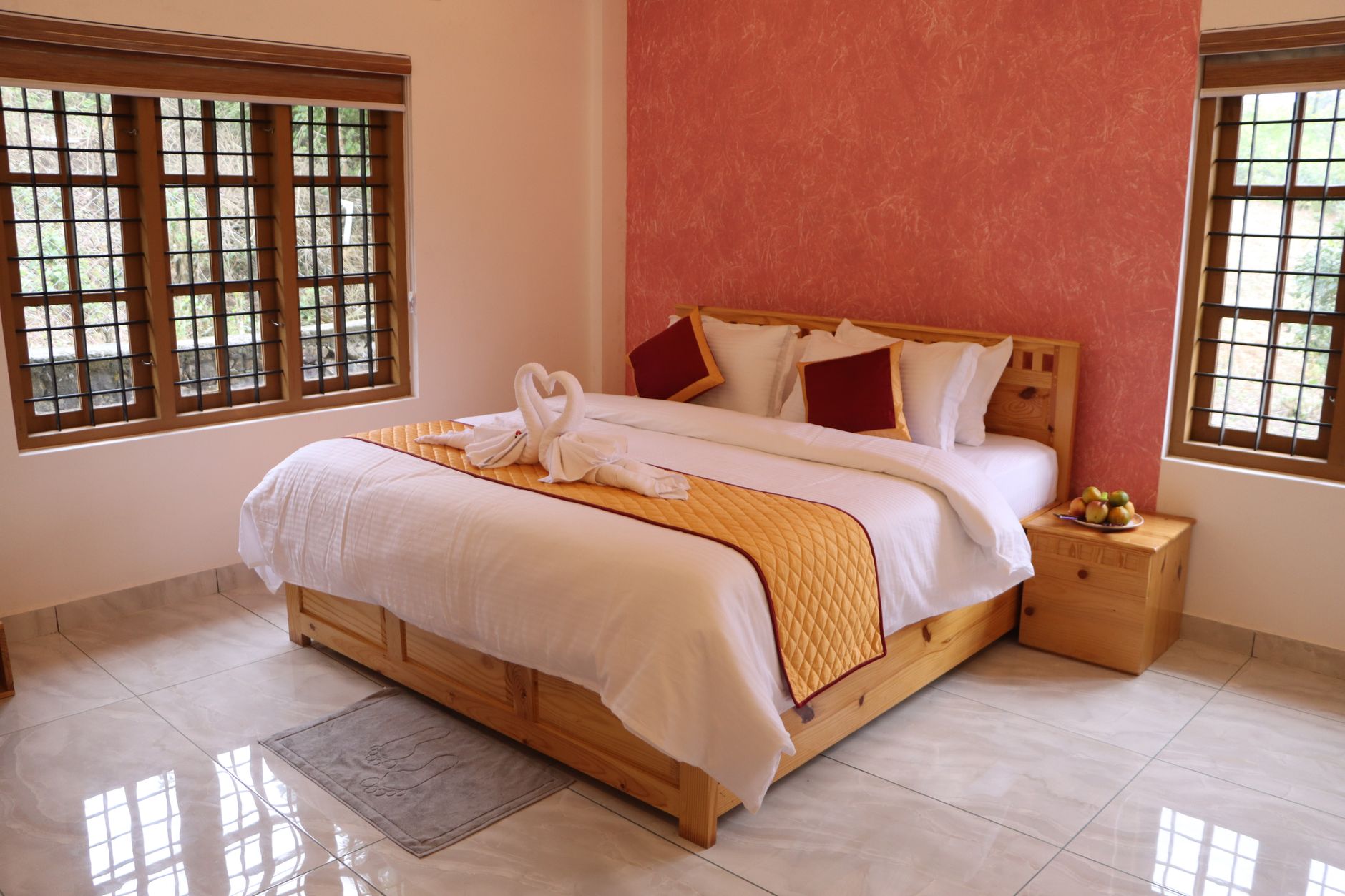
What is La Paz Coorg Homestay?
La Paz functions as a privately-run homestay situated within Coorg's lush landscape, distinguishing itself from resort hotels through a focus on intimate, family-centred accommodation. Rather than standardised rooms and corporate service protocols, you're entering a residential space where hosts typically live on-site and manage the property themselves. This arrangement means breakfast arrives warm from the kitchen, dinner reflects what the family actually eats, and recommendations for walks or waterfalls come from genuine local knowledge rather than laminated tour sheets. The atmosphere skews towards quiet reflection and genuine hospitality rather than scheduled activities or poolside socialising.
How Does Homestay Accommodation Differ from Hotels in Coorg?
Coorg's accommodation spectrum ranges from sprawling plantation resorts with spa facilities to intimate homestays like La Paz, each serving different traveller needs. Hotels offer consistency—you know the mattress firmness, the Wi-Fi speed, the checkout time—whilst homestays trade predictability for authenticity. At a homestay, your host might suggest a lesser-known spice plantation visit because their cousin works there, or prepare a specific Coorgi curry because you mentioned dietary preferences at dinner. The trade-off is fewer amenities: perhaps no daily housekeeping, a shared garden rather than private grounds, tea served at set times rather than on-demand room service. This suits travellers seeking genuine connection and willing to embrace a slower pace; it suits less those seeking anonymity or needing disabled access, late-night meals, or extensive facilities.
Homesteads across Coorg typically occupy 1–5 acres with mature coffee or spice plants, offering views of the Western Ghats rather than manicured lawns. Rooms occupy converted portions of family homes, standalone cottages, or purpose-built annexes. Most provide essentials—a bed, bathroom, perhaps a desk—in deliberately understated style. The emphasis rests on the shared experience: communal breakfasts, evening conversations, assistance with local travel logistics.
Related: 4 Seasons Hotel Apartments JP Nagar: Location, Rates & Booking Guide
Related: Dhareshwar Beach: Karnataka's Hidden Coastal Gem
Related: Coorg to Mysore Distance Guide: Routes, Travel Time & Best Options
What Should You Actually Expect at a Homestay Like This?
Meals and Food Culture
Dinner and breakfast form the emotional centre of homestay life. Hosts prepare food using ingredients from their own gardens or regular suppliers they trust, meaning meals shift seasonally and reflect genuine Coorgi or South Indian traditions rather than tourist-friendly dilutions. Expect rice-based main courses, locally-sourced spice blends, and often a vegetable curry or dal prepared fresh that morning. Coffee—inevitably—features prominently, frequently roasted and ground on-site or sourced from nearby estates. This is where you learn whether you actually enjoy black pepper chicken or whether you've only experienced restaurant versions. Breakfasts typically follow the Indian pattern: dosa, idli, or upma, sometimes with fried eggs or parathas. Hosts generally accommodate dietary requirements if informed in advance, though the range is wider if you remain flexible.
Meals happen at set times, often shared with other guests or the host family themselves. This creates natural conversation space and means you cannot request dinner at 9 p.m. if service ends at 8 p.m. Travellers accustomed to room service or eating alone should adjust expectations.
Atmosphere and Setting
La Paz and comparable homestays sit within working landscape—you wake to birdsong, hear occasional cockerel calls, and notice how light shifts across hillsides rather than how many bars the Wi-Fi symbol displays. Internet typically exists but remains intermittent; phone signal depends on your network provider and proximity to towers. This suits digital detox seekers; it frustrates those needing reliable connectivity for work. Many guests describe the experience as meditative; others find it isolating if they came seeking nightlife or constant entertainment.
The property itself feels lived-in rather than styled. You notice family photographs, well-worn cushions, gardens where vegetables grow alongside ornamental plants. This authenticity appeals greatly to some travellers and registers as untidy to others. There is no front desk, no concierge, no lost-and-found management—you negotiate directly with your host.
Activities and Local Knowledge
Homestays provide the considerable advantage of hosts with genuine local networks. Need directions to a specific waterfall? Your host likely walked there as a child. Curious about coffee processing? They can probably arrange a visit to a neighbouring estate or processing house. Want to hike to viewpoints that don't appear in guidebooks? They know the paths and can suggest timing to avoid crowds. This hyperlocal knowledge far exceeds what any hotel concierge provides, though it depends entirely on your host's willingness to engage and your willingness to follow their suggestions.
Formal tour bookings still happen through homestays, but the advantage lies in unstructured exploration—a morning walk through neighbouring plantations, conversation with agricultural workers, understanding how water flows downhill during monsoon season.
Practical Planning for Your Stay
Booking and Communication
Most homestays operate through direct booking via their websites or phone contact, though some appear on OTA platforms. Communication before arrival matters considerably. Specify arrival time (they cannot greet you at 11 p.m. if they are asleep), dietary requirements, mobility needs, and activity interests. Ask about Wi-Fi reliability if work depends on it. Confirm whether checkout allows flexible timing or operates strictly at 10 a.m. These details shape your experience far more than star ratings.
When to Visit
Coorg operates pleasantly year-round, though each season carries distinct character. June to September brings monsoon rains, making hills vividly green and roads occasionally treacherous, but accommodation fills with fewer tourists and rates drop. October to February offers clear skies and warm days, though prices peak and homestays book months ahead. March to May brings heat and occasional dust, suiting those who find crowded seasons unappealing. Plan around monsoon if you dislike heavy rain; embrace it if you appreciate solitude and forest smell.
What to Pack
Bring modest clothing—homestays sit within conservative agricultural communities and you may see hosts' extended family members. Include sturdy walking shoes, rain gear even in dry season, and insect repellent. Bring any medications you need; pharmacies exist in nearby towns like Madikeri but not within immediate reach. A torch proves useful for evening walks. Leave behind expectations of luxury; bring openness to simple living and genuine interaction.
How Does La Paz Compare to Other Coorg Accommodation?
Plantation resorts offer curated experiences, structured meals, and predictable comfort within designed environments. Homestays provide unfiltered local life, flexibility in daily rhythm, and direct interaction with people who understand the landscape intimately. Budget guesthouses prioritise cost over experience. Hotels deliver anonymity and professional service. Homestays demand engagement—you must be willing to ask questions, eat what is served, and find pleasure in simplicity. Neither approach supersedes the other; they satisfy different travel philosophies.
FAQ
Do I need to book La Paz homestay months in advance? Most homestays accept bookings closer to your travel date than commercial hotels, though popular seasons still fill quickly. Direct contact with your host 2–4 weeks ahead typically secures availability, particularly in shoulder seasons.
What if I cannot tolerate the internet being unreliable? If work or constant connectivity is essential, homestays may frustrate you. Confirm Wi-Fi specifications before booking, or consider a hotel closer to Madikeri where connectivity remains stronger. Some homestays prioritise this; others do not.
Are homestays safe for solo female travellers? Safety depends largely on individual host dynamics and your own comfort level. Research reviews carefully, communicate arrival details, and choose hosts with established track records. Many solo travellers report warmth and protective attitudes from host families; others prefer hotel anonymity. Neither choice is inherently safer—context matters.
Can I request vegetarian or vegan meals? Yes, but inform your host clearly before arrival. Traditional Coorgi cuisine centres on meat and dairy, so vegan adaptation requires advance notice and flexibility about variety. Homestays generally accommodate better than hotels; expect enthusiastic effort rather than restaurant-standard options.