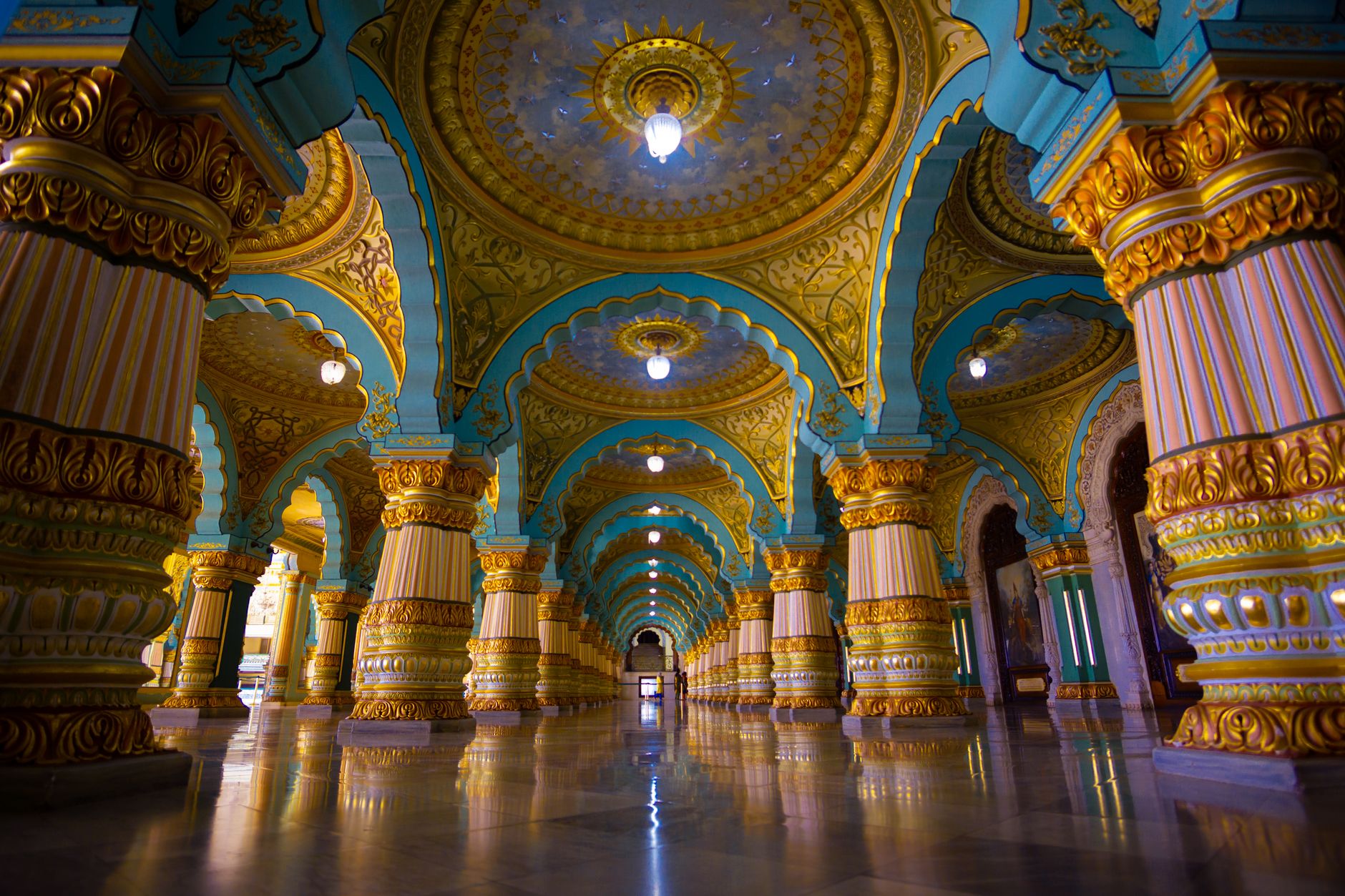
Srirangapatna, the island fortress town just 15 kilometres from Mysore, draws history enthusiasts to its ancient temples and Tipu Sultan heritage sites. Accommodation near Srirangapatna ranges from budget guesthouses within the town itself to mid-range hotels in Mysore that serve as practical bases for exploring both destinations.
Where exactly should you stay—in Srirangapatna town or Mysore city?
This choice depends on your priorities. Staying in Srirangapatna itself places you steps from the Sri Ranganathaswamy Temple, Tipu Sultan's Summer Palace, and the Daria Daulat Bagh, but the town offers limited dining and leisure options beyond basic restaurants. Most visitors find it a quiet, early-to-bed kind of place. Mysore, fifteen minutes away by car, offers substantially more restaurants, cafés, shopping, and cultural experiences—you can visit Srirangapatna as a day trip and return to a livelier evening. The choice comes down to whether you value atmosphere and activity or intimate proximity to these specific monuments.
What types of accommodation exist in and around Srirangapatna?
Within Srirangapatna town itself, you'll find modest guesthouses and small family-run hotels catering mainly to pilgrims visiting the temple or history tourists. These typically offer clean, simple rooms without frills—expect basic amenities, modest-to-no air conditioning in budget options, and home-cooked meals or simple vegetarian fare. Prices tend to be very affordable, often ₹800–₹2,000 per night for double occupancy.
Related: Avocado Cottages Coorg: A Stay Among Spice Gardens
See also: Mysore Palace Illumination: When to See It and Photo Tips
Related: Mysore Palace Visitor Guide: Tickets, Timings and What to See
In the surrounding villages within a 5–8 kilometre radius, a few rural homestays and agritourism properties have emerged in recent years, appealing to travellers seeking a slower pace and connection to local life. These offer experiences like farm visits, home-cooked meals using local ingredients, and quieter settings—useful if you're staying multiple days.
Mysore, the nearest major city, hosts the bulk of quality mid-range and upmarket hotels (₹2,000–₹8,000+ per night). Many travellers base themselves in Mysore specifically because it offers better dining, evening entertainment, and onward connectivity, whilst remaining close enough to Srirangapatna for morning or afternoon visits.
What's the practical breakdown for staying near Srirangapatna?
Staying in Srirangapatna town itself: Best for pilgrims, heritage researchers, or those seeking extreme peace and early mornings. You'll wake to temple bells, have direct temple access, and experience the quietest version of this place. Drawbacks include limited restaurant variety, few entertainment options, and hotels often close their restaurants by 9 or 10 p.m. Most rooms lack reliable air conditioning. Good if you plan a very early start at the temples or are visiting specifically for spiritual reasons.
Staying in nearby villages (5–15 km out): Homestays and rural properties offer a middle ground—closer to nature and local life than Mysore, but with slightly more amenities. These suit travellers wanting a slower pace, farm experiences, or a quieter retreat. Check reviews carefully; standards vary widely.
Staying in Mysore and day-tripping to Srirangapatna: The most practical option for most visitors. Mysore offers excellent restaurants (from South Indian thalis to global cuisine), evening walks around Mysore Palace and its illuminated gardens, temples, gardens, and far better internet connectivity. The 15-minute drive to Srirangapatna is straightforward; you can visit temples or palaces in the morning and return by early afternoon. This gives you flexibility and comfort without sacrificing access.
What should you expect at accommodation near Srirangapatna?
In-town hotels often lack lifts, elevators, or front desks in the Western sense—you'll be met by staff who'll show you to your room and handle queries directly. Expect squat or Western toilets depending on the price point; cheaper rooms almost always feature squat toilets. Hot water comes from buckets or geysers rather than mains systems. Vegetarian meals are standard; meat may be available but not always reliably.
Rural homestays frequently operate without standardised booking systems—you may need to call ahead or book through local tourism apps. English-language fluency varies; learning a few Tamil or Kannada greetings helps. Meals are genuinely home-cooked and a significant draw; discuss dietary requirements in advance.
Mysore hotels operate to more familiar international standards, with online booking systems, printed menus, English-speaking staff, and varied cuisine options. You'll find coffee shops, room service (in mid-range and above), and laundry facilities.
What's the best season to visit and should it affect your choice?
October through February offers the most pleasant weather—cool mornings, mild afternoons, clear skies. Accommodation fills faster; booking 2–4 weeks ahead is wise. June through August brings monsoon rains, fewer tourists, lower prices, and lush green landscapes—excellent for photographs but expect wet pathways at temple sites. April and May are hot and dusty; many budget places close or offer minimal water. December and January are peak season; expect prices 20–30 per cent higher and crowded mornings at temples.
Getting around from your hotel
If staying in Srirangapatna, walking covers the town centre; temples and palace sites are within 1–2 kilometres of each other. Local auto-rickshaws (three-wheeled taxis) charge ₹30–₹50 for short journeys. Hiring a private car for the day costs around ₹1,500–₹2,500 from Mysore and allows flexible itinerary building.
From Mysore, auto-rickshaws to Srirangapatna charge ₹250–₹400 one-way; negotiating a return with waiting time (₹800–₹1,200) often makes sense. Public buses run regularly (₹20–₹40) but are slower and less comfortable for tourists carrying bags.
Key sites and why you've come
The Sri Ranganathaswamy Temple, dating to the 9th century with later expansions, dominates the spiritual landscape and receives pilgrims year-round. Tipu Sultan's Summer Palace (Daria Daulat Bagh), built in 1784, tells the story of Mysore's 18th-century ruler through intricate murals and architecture. The Tipu Sultan Fort ruins, scattered across the island, offer glimpses of military fortification. The Gumbaz (mausoleum) of Tipu Sultan and his parents stands near the palace. Most visitors complete the main sites in 4–5 hours, making same-day exploration from Mysore entirely feasible.
FAQs
Can I visit Srirangapatna temples on any day? Yes, the Sri Ranganathaswamy Temple remains open most days. However, specific areas may be closed during certain religious ceremonies; check with your hotel or local guides. Photography restrictions apply in some temple sections.
What's the difference between staying in Srirangapatna and staying in Mysore for Srirangapatna visits? Srirangapatna town offers proximity and pilgrimage atmosphere but limited amenities. Mysore provides better restaurants, entertainment, and comfort—most independent travellers prefer basing themselves there and visiting Srirangapatna by car or autorickshaw as a day excursion.
Are budget hotels in Srirangapatna safe and clean? Yes, generally. Most cater to pilgrims and maintain basic cleanliness standards. Rooms are simple but secure. Check recent reviews online before booking; quality varies between properties. Carry your own toiletries for budget options.
Do I need to book accommodation in advance for Srirangapatna? During October to February, yes—book 2–4 weeks ahead. June to September, walk-ins usually find space. December and January require advance booking; availability becomes tight from 20 December onwards.