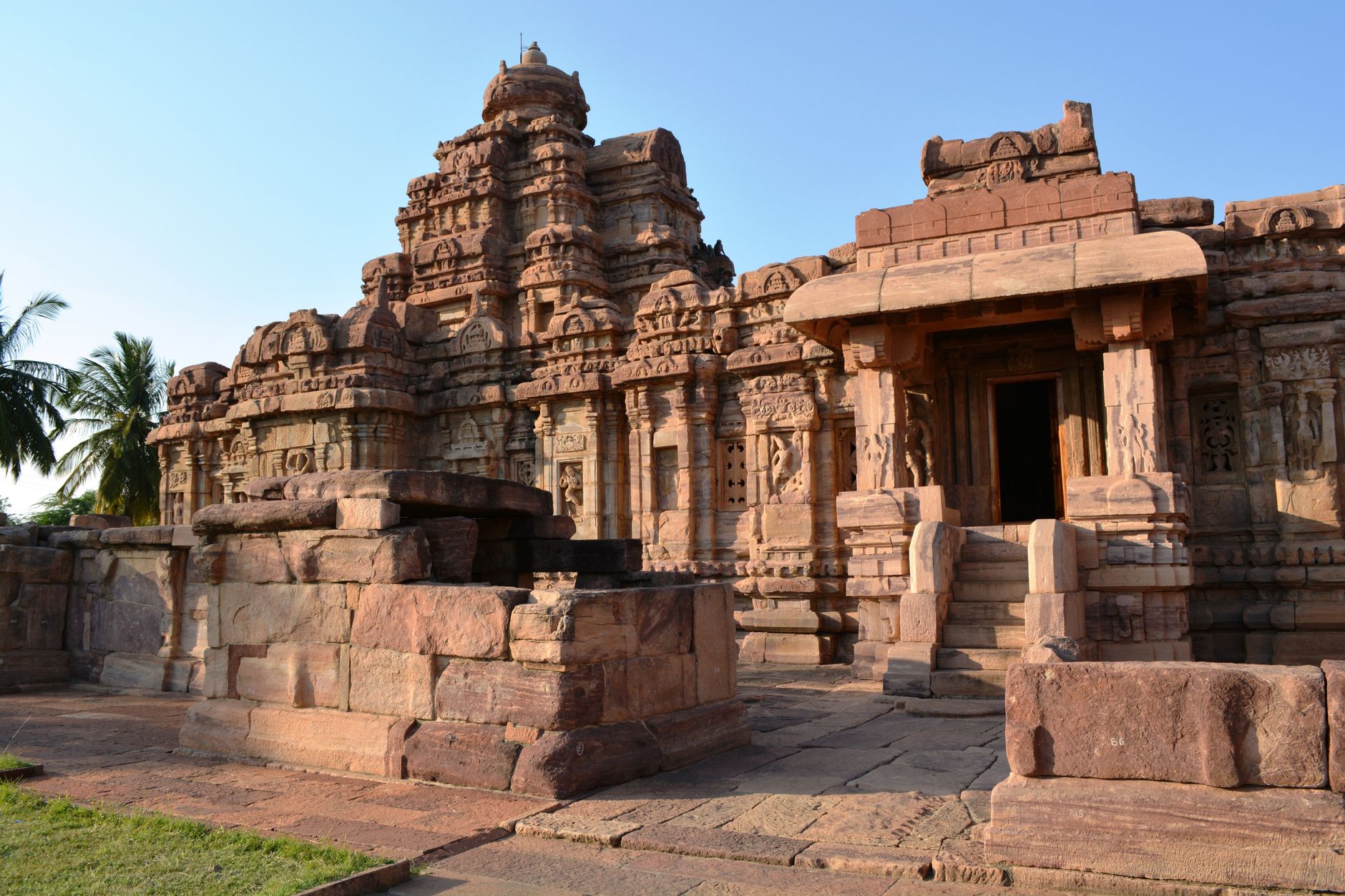
Hotels in Shrirangapatna: Where to Stay Near This Historic Temple Town
Shrirangapatna's hotel landscape is modest and straightforward—this is a pilgrimage and heritage town rather than a resort destination, so expect comfort-focused, unpretentious lodging rather than luxury. Most accommodation sits within a fifteen-minute walk of the main bazaar, the Sri Ranganathaswamy Temple, and the river. The town doesn't have five-star properties, and that's largely the point: staying here keeps you close to the medieval streets and temple rhythms that make Shrirangapatna worth visiting in the first place.
What kind of hotels operate in Shrirangapatna?
The town's hotels fall into three loose tiers. Budget guesthouses and dharamshalas (pilgrimage hostels) cater primarily to temple visitors and offer very basic rooms—often with shared bathrooms—for £5–£8 per night. Mid-range hotels, which form the bulk of options, provide clean, air-conditioned rooms with attached bathrooms, small restaurants, and helpful staff familiar with visitors' needs; these typically cost £15–£40 per night. A few properties styled as heritage hotels attempt to evoke the town's history through period décor or traditional architecture, though they remain modest by heritage hotel standards elsewhere in Karnataka.
Most hotels have small dining areas serving South Indian vegetarian meals (dosas, idlis, sambhar) and simple non-vegetarian options. Wifi is standard in mid-range and above, though connection can be patchy. Few hotels have pools or gyms—that's simply not what the market offers here.
Related: Sakleshpur Weekend Guide: Homestays, Treks and Drives
See also: Sakleshpur in Monsoon: Waterfalls and Green Season Guide
See also: Emora Grand Bangalore: A Detailed Visitor's Guide
Where exactly should you look for a hotel?
The town's geography is simple. The Sri Ranganathaswamy Temple stands on an island formed by the Kaveri River, and the main bazaar and administrative centre sprawl on the eastern bank. Hotels cluster in three zones: directly south of the temple near the main bazaar (noisiest, most convenient for temple access and eating); in the quieter residential areas slightly further south; and occasionally on the western bank near Tipu's Palace and the fort walls (more atmospheric, fewer services nearby).
If you want to wake to temple bells and have the bazaar's energy at your doorstep, stay close to the temple. If you prefer calm mornings and don't mind a five-minute autorickshaw ride to attractions, choose hotels in the southern residential zones. Few travellers stay on the western side purely for accommodation; it's more a place to visit during the day.
Which season affects hotel availability and pricing?
Shrirangapatna sees its heaviest pilgrimage traffic during Hindu festival seasons—particularly around Vairamudi Deepavali (July–August, when the temple's main chariot festival occurs) and Diwali (October–November). During these weeks, mid-range hotels fill quickly and may raise rates by 20–30 per cent. August can be humid and rainy, making accommodation damp and unpleasant; March to May is hot and dusty, yet hotels run cool indoors. The sweet spot is October to February, when the weather is mild, pilgrimage footfall is steady but manageable, and you'll find rooms with negotiable rates.
Mid-year (April–June and September) sees fewer visitors, so rates often drop and you'll have quieter temple experiences. However, some budget guesthouses close briefly during the monsoon, so confirm availability before travelling.
How do you book and what should you expect?
Most shrirangapatna hotels accept walk-in guests, especially outside festival seasons, so you needn't pre-book unless you're arriving during Vairamudi or a major holiday. Online booking platforms (Booking.com, OYO, Stayzilla) list most mid-range properties and allow you to read recent reviews from other travellers—worth checking, as standards vary noticeably between properties under similar price bands.
When booking or arriving, clarify what's included: some hotels levy extra charges for wifi, late checkout, or hot water in bucket rooms. Ask whether your room has a window (important in humid months) and a squat toilet or seated one, as preferences vary and staff may assume. Breakfast is often included in quoted rates but can be minimal—biscuits and chai rather than a cooked meal.
Payment is usually cash on arrival or through online transfer. Credit card facilities exist in larger hotels but aren't guaranteed. Haggling is accepted if you're staying multiple nights or arriving during quiet periods, particularly at budget guesthouses.
How does Shrirangapatna compare to nearby Mysuru for accommodation?
Mysuru, forty-five kilometres north, has far more hotel choice—everything from backpacker hostels to luxury palaces—and competitive pricing driven by tourism volume. If you want predictable international-standard comfort or a wide range of dining options, Mysuru is easier. However, Mysuru is busier, noisier, and less authentically devoted to its spiritual core.
Shrirangapatna demands a willingness to embrace smaller-town hospitality and fewer creature comforts, but rewards you with proximity to pilgrimage life, temple architecture that's less crowded than Mysuru's Chamundi Hill temple, and a pace that hasn't been entirely shaped by tour groups. If you're combining both towns (a sensible two-to-three-day itinerary), spend one night in Shrirangapatna to settle into its rhythm, then move to Mysuru for broader dining and shopping.
Practical culture tips for your stay
Remove shoes before entering your hotel room if you see shoes left outside others' doors—it's a courtesy in pilgrimage towns. Temple hours mean early mornings (the temple opens around 5:30 a.m.); if you plan to visit then, alert your hotel the evening before so they can arrange early tea and unlock gates if necessary. Many hotel staff are Hindu and may ask about your own faith; it's polite to engage respectfully even if you're visiting purely for history.
The bazaar operates from dawn to around 9 p.m., and restaurants serve lunch (noon–2:30 p.m.) and dinner (6:30–9 p.m.) during fixed windows. Eating outside these times can be difficult; plan accordingly. Dress modestly near the temple—shoulders and knees covered—as a mark of respect, even if rules aren't enforced.
Autorickshaws are the main transport within town; agree fares beforehand (usually £1–£2 for short journeys). Walking is safe and pleasant, especially in the early morning when pilgrims move between temple and bazaar.
Nearby towns for context
If you're exploring the region, Mysuru lies forty-five kilometres away and offers deeper palace history and broader tourist infrastructure. Madikeri, in the Western Ghats, is a different journey (about 120 kilometres, four hours) and worth considering if you're combining heritage with hill scenery. Most visitors base themselves in Shrirangapatna for one night as part of a longer Karnataka circuit.
FAQs
Do I need to book a hotel in advance? Not essential outside festival seasons (Vairamudi and Diwali). Walk-ins are common and often find rooms within an hour. Booking online helps during festivals and gives you peace of mind, particularly if you have specific preferences.
What's a realistic daily budget for a mid-range hotel? Expect £15–£35 per night for a clean, air-conditioned room with bathroom and basic breakfast. Budget guesthouses cost £5–£10; upmarket heritage properties £40–£60. Meals outside your hotel are usually £2–£4 per head.
Is the town noisy at night? Temple areas can be lively in early mornings (4–6 a.m.) with chanting and bells, but nights are quieter than you'd find in Mysuru or Bangalore. If you're light-sleeping, ask for a room away from the main bazaar.
Can I visit Shrirangapatna as a day trip from Mysuru? Yes, and many do. However, staying overnight allows you to experience the temple at sunrise without the rush of day visitors and to understand the town's atmosphere beyond heritage sites.