What You'll Find in Badami's Hostels
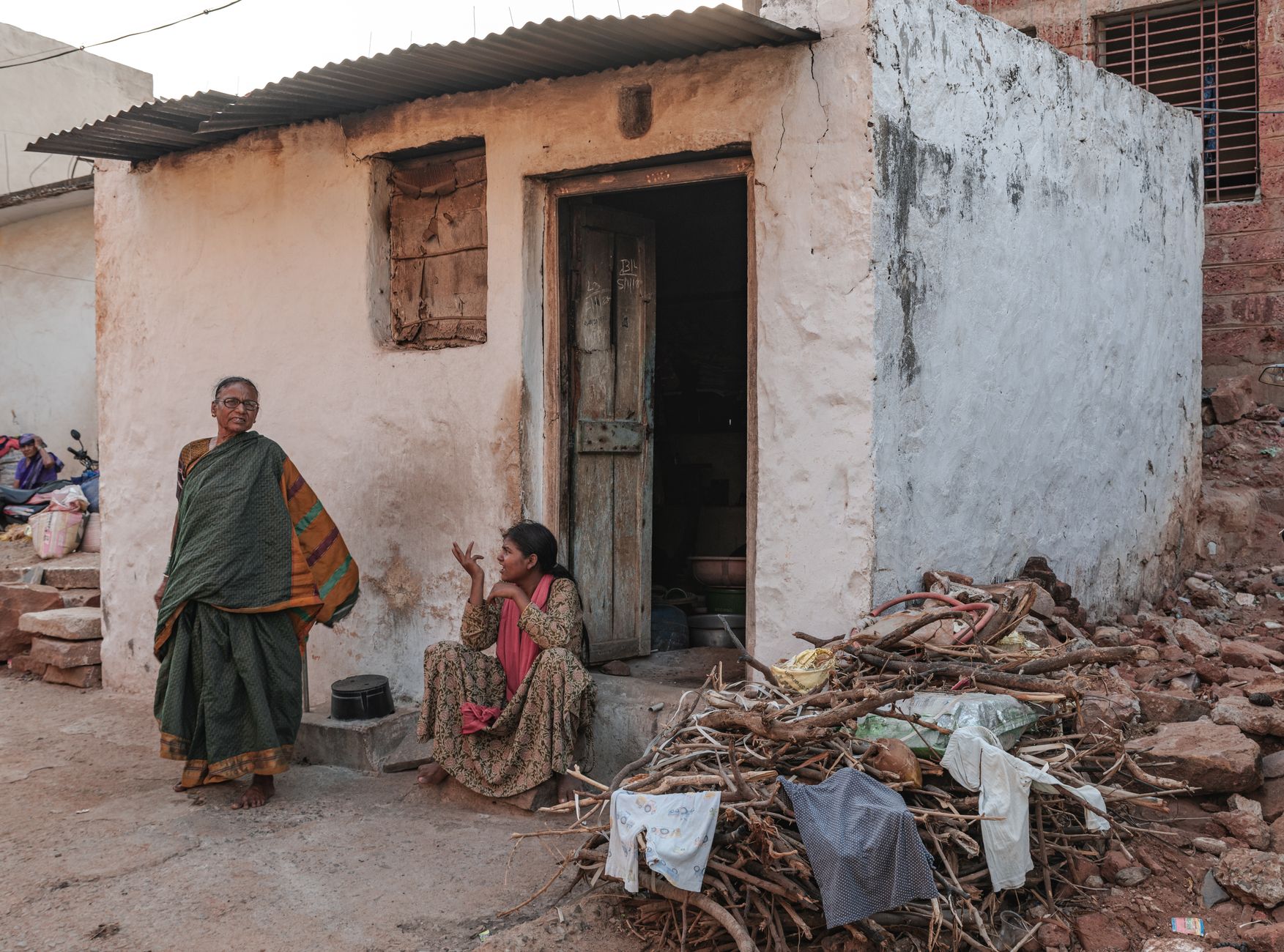
Badami's hostel options sit somewhere between sparse and quietly flourishing, depending on the season. Unlike touristy hubs, you won't find lavish rooftop bars or Instagram-ready common areas here—what you do find are genuinely welcoming spaces run by locals or small operators who understand what backpackers need: a clean bed, a cup of coffee, practical local advice, and perhaps a chat with fellow travellers over dinner. Most hostels occupy converted old homes or purpose-built structures within walking distance of either the bazaar or the cave temples themselves.
Where Should You Stay in Badami?
The town sprawls loosely around three main zones. The bazaar area (central Badami) sits at ground level where shops, restaurants, and street food stalls cluster; hostels here put you among local life and are convenient for eating well. The cave complex zone sits uphill on the ridge overlooking the town—a short walk takes you directly to Temples 1, 2, 3, and 4, so staying near here means early morning light on the cliffs and fewer crowds when you climb. The lake area on the eastern edge offers quieter surroundings if you prefer distance from the bustle, though fewer hostel options exist there.
Most first-time visitors find the bazaar location the best compromise: you're close enough to caves for easy exploration, embedded in authentic town rhythm, and within reach of proper meals and provisions.
Related: Lalbagh and Cubbon Park: Bangalore's green escapes guide
Related: Weather in Udupi: 10-Day Guide for Planning Your Visit
Related: Things to do in Hubballi: attractions and local tips
Dorm Rooms vs. Private Rooms
Hostels here typically offer both. Dorm rooms (₹300–600 per night) are genuinely social; you'll meet other travellers, swap trekking routes to nearby Aihole and Pattadakal, and find people keen for exploration partners. Private rooms (₹800–1,500) give you a bit more autonomy and are useful if you're travelling as a couple or want to recover quietly after a long journey. Many hostels have a few of each rather than specialising entirely in dorms, which gives you flexibility.
The advantage of staying in a hostel over a small hotel is less about cost (many private rooms are only marginally more expensive) and more about the social infrastructure: shared kitchens where you can prepare a simple breakfast if you're tired, notice boards with local event information, and owners willing to ring auto drivers or arrange informal cave tours.
What to Expect: Amenities and Comfort
Budget hostels in Badami typically include attached bathrooms (shared or private depending on room type), reliable water supply (essential given the heat), basic fans, and often a sitting area. Many have rooftop spaces—not glamorous, but functional for evening breeze and stargazing. WiFi is increasingly standard but can be patchy in monsoon; ask before booking if reliable internet matters to you.
Kitchens, when available, tend to be small and shared; they're useful for brewing tea or heating leftovers rather than full meal preparation. Most travellers eat out, either at simple dhabas near the hostel or at proper restaurants a short walk away. The bazaar has surprisingly good vegetarian options and some non-vegetarian specialities; you'll eat well on a modest budget.
Cleanliness standards vary, so read recent reviews carefully. Badami's dust and summer heat mean rooms need regular sweeping; the better-maintained places manage this well.
Booking and Practical Considerations
Seasonality matters significantly. November through February brings comfortable weather and backpacker crowds; hostels book ahead during these months. March through May gets scorching—many travellers avoid this, so availability increases and prices soften, but you'll be managing heat and occasional water shortages. Monsoon (June–September) is quiet; some hostels reduce operations or offer steep discounts, though heavy rains can temporarily cut off access to caves.
Booking directly often yields better rates than online platforms, especially for longer stays. Many hostels have mobile numbers or WhatsApp; a phone call reveals atmosphere better than a web listing ever could.
Getting there: Badami has a small railway station (services from Bengaluru and Hubballi) and connects to major towns via bus. Most hostels are walkable from both, though the bus stand sits on the town's edge; an auto-rickshaw to your hostel costs ₹50–80.
Beyond the Hostel: What to Actually Do
Staying in a budget hostel doesn't mean missing Badami's substance. The cave temples demand a full day minimum—four main caves carved into sandstone cliffs, each decorated with carvings and sculptures from the 6th century. Start early to avoid heat and crowds. The cave complex trail connects all four; you'll scramble up steps, squeeze through narrow passages, and emerge into chambers with astonishing detail. Allow 2–3 hours.
On your second day, venture to nearby Aihole (45 minutes by auto) and Pattadakal (similar distance), both UNESCO sites with older temples and a quieter, more scholarly atmosphere. Day trips are manageable; many backpackers do the circuit over two or three days.
The Badami Fort ruins sit above the caves—a steady climb for wider views and less crowded exploration. Banashankari Temple sits on the outskirts, peaceful and less thronged than the main caves.
Food is a genuine pleasure: try jolada roti (finger millet flatbread) with local vegetable curries, or hunt down dhal bhakri and fresh curd rice. The bazaar has street vendors serving chikhalwali (a local chickpea snack) and fresh sugarcane juice.
Should You Choose a Hostel or a Small Hotel?
If you're travelling solo or with one other person and value social interaction, a hostel wins. If you prefer quiet, privacy, and aren't fussed about meeting other travellers, a small guesthouse offers similar pricing with more autonomy. Badami's accommodation spectrum is tight enough that the practical difference is modest; the real question is whether you want a social setting or solitude.
FAQ
Do I need to book a hostel in advance, or can I find something on arrival? November–February, book ahead by at least a week, especially weekends. March–October, you can usually find beds same-day, though choice narrows. Booking direct via WhatsApp often yields last-minute deals.
Are hostels in Badami safe for solo female travellers? Yes, generally very safe. Most hostels are family-run or professionally managed, and the town itself is quiet and welcoming. Other solo female travellers stay regularly; the hostel community tends to look out for one another.
What's the best time to visit Badami, and do hostels fill up? November–January is peak season: comfortable weather, packed hostels, bookings needed weeks ahead. February–March is still pleasant but slightly quieter. May–September sees few tourists; hostels offer discounts but some reduce hours. If you want both good weather and fewer crowds, try late October or early April.
Can a hostel help arrange transport to Aihole and Pattadakal? Most can arrange shared autos with other guests or direct you to local auto-drivers charging ₹1,500–2,000 for a full-day loop. Some hostels organise informal group trips—ask when you arrive.