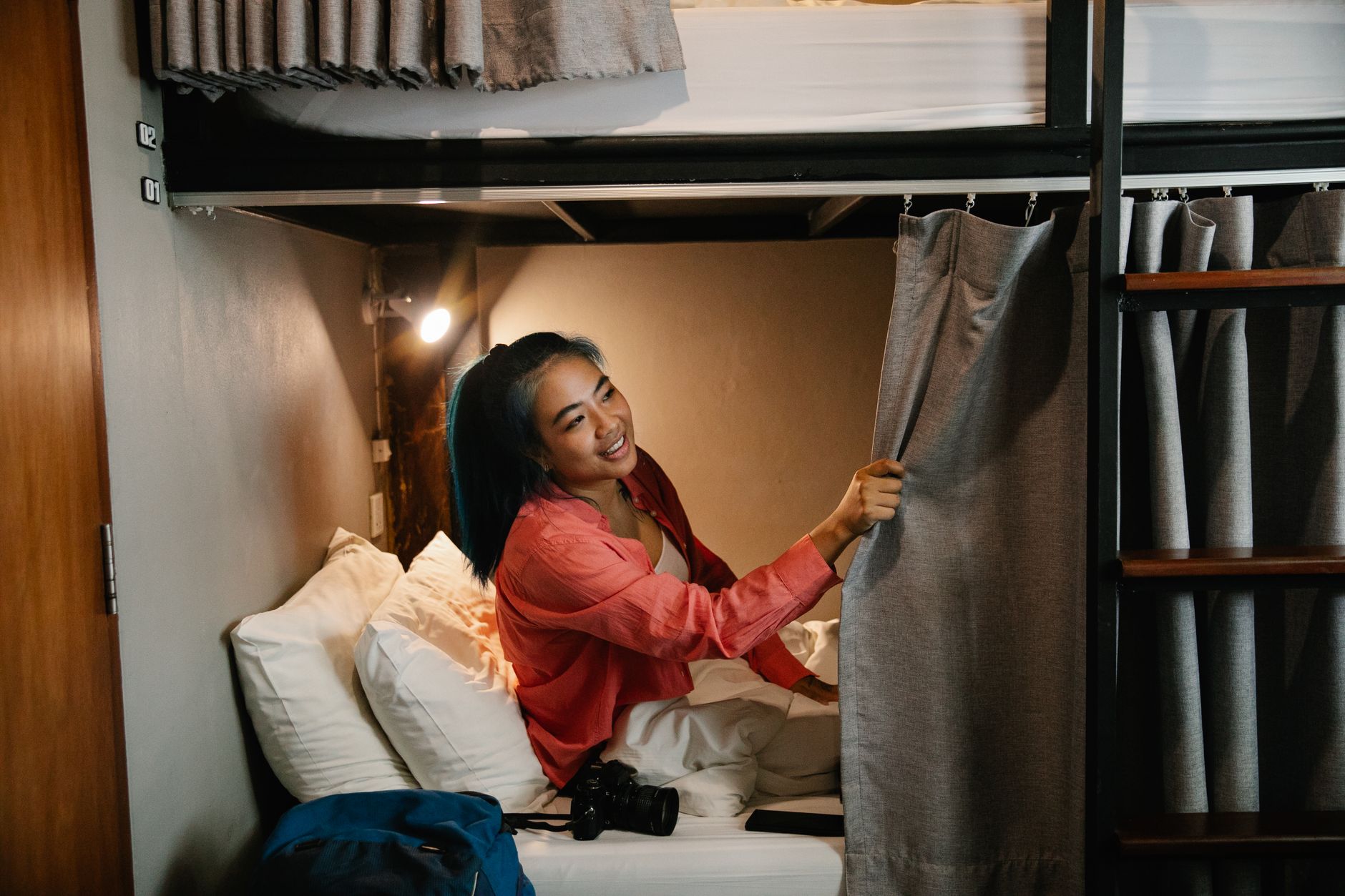
Hosteller Chikmagalur: Budget Traveller's Guide to Coffee Country
Chikmagalur's hosteller community has grown considerably, offering affordable accommodation for independent travellers, backpackers, and solo explorers. Beyond basic beds, these social spaces function as unofficial tourism hubs where guests swap trek routes, share transport costs, and organise group hikes through coffee estates and misty hill stations. The hosteller experience here differs markedly from city hostels—you'll find yourself connecting with travellers in working coffee plantations rather than urban party scenes.
What Makes Chikmagalur Hosteller Culture Different?
Unlike Bangalore or Goa hostels, Chikmagalur's budget accommodation sits firmly within agricultural landscape. Most hostels occupy converted homestays or coffee-estate bungalows, placing you immediately amongst working plantations. You'll wake to rooster calls and plantation workers moving between rows of coffee shrubs. The social dynamic centres on trekking, coffee estate tours, and hill exploration rather than nightlife. Many hostellers here are nature-focused travellers, digital nomads seeking calm work environments, or backpackers planning multi-week Western Ghats journeys.
The season matters significantly. During peak coffee harvest (October to January), hostels buzz with activity and fill quickly. Monsoon months (June to September) bring fewer travellers but transform the landscape into vivid green—perfect for those seeking solitude and dramatic weather photography.
Related: Murudeshwar Hotels: Where to Stay on Karnataka's Sacred Coast
See also: Hampi to Badami Distance and Travel Guide
See also: Kukkarahalli Lake Walking Path Distance and Route Guide
Dorm Standards and What to Expect
Most Chikmagalur hostels offer 4 to 8-bed mixed dorms, with some providing female-only options. Beds typically feature mosquito nets, individual reading lights, and lockers. Unlike sterile youth hostel chains, these spaces retain homey character—think worn wooden floors, vintage furniture, and walls decorated with trekking maps and guest photographs.
Facilities vary widely. Quality hostels provide hot-water showers, working WiFi, communal kitchens with proper cooking equipment, and common areas with seating for 20+ people. Basic hostels might offer only beds and a shared bathroom. Always check recent reviews on independent platforms; a hostel described as "rustic" might mean charmingly basic or uncomfortably neglected depending on maintenance standards.
Bedding quality is generally adequate, though standards don't match upscale boutique hotels. Most hostels wash sheets weekly and provide pillows. Bring your own sleep liner or sleeping bag if you're particular about cleanliness, or accept this as part of budget travel compromise.
Finding Your People: Social Spaces and Communal Activities
The real value of hosteller stays emerges in shared spaces. Breakfast tables become planning sessions where travellers compare trek difficulty, exchange Uber driver contacts, and negotiate group rates for plantation tours. Coffee-loving guests bond over filter coffee preparation and estate visits. Many hostels organise weekly hikes to nearby peaks, group cooking nights, or coordinated trips to Mullayanagiri or Baba Budan Giri.
Common areas typically feature board games, books (often swapped between guests), and occasionally musical instruments. Evening gatherings happen naturally—travellers cooking dinner, sharing bottles, discussing next destinations. This spontaneity attracts solo travellers particularly; you needn't coordinate beforehand; community forms organically.
Some hostels partner with local coffee estates for morning picking experiences or afternoon tours. These aren't tourist performances but genuine working sessions—expect dirt under fingernails and authentic conversations with estate workers about coffee economics, climate challenges, and farming life.
Budget Breakdown: Costs Beyond the Dorm Bed
Dorm beds typically range from ₹400–800 depending on season and hostel positioning. Private rooms in hosteller-run properties cost ₹1200–2000. These rates are genuinely budget-friendly, though isolated from main town amenities.
Food expenses vary dramatically based on cooking habits. Hostels with kitchens reduce costs significantly if you shop local produce from morning markets—fresh vegetables, rice, and pulses cost remarkably little. Eating at hostel communal dinners (when organised) typically costs ₹300–500 per head. Restaurant meals in Chikmagalur town range from ₹150 for simple vegetarian plates to ₹400+ for tourist-targeted meals.
Activities cluster affordably: coffee estate tours cost ₹300–800 per person with groups. Mullayanagiri trek requires only transport (₹100–200 shared jeep fare) and permits (₹50). Many hikes are free. Transport to Chikmagalur from Bangalore runs ₹500–800 by bus; shared rides reduce per-person costs further.
Practical Tips for Hosteller Stays
Timing and booking: Peak season (October–January) fills hostels quickly; book 2–3 weeks ahead. Shoulder seasons (February–May, September) offer availability and pleasant weather without monsoon heaviness. Avoid planning Chikmagalur stays during extreme summer (March–May) or peak monsoon uncertainty.
Location matters: Hostels near Chikmagalur town proper offer walking access to markets and restaurants but less immersion in coffee culture. Estate-located hostels provide authentic atmosphere but require transport for town errands. Consider your priority—socialising and convenience versus plantation ambience.
Luggage strategy: Hostels aren't ideal for storing heavy backpacks during multi-day treks. Most allow free luggage storage; confirm this before booking. Bring day-pack appropriate for 6–8 hour treks.
Climate preparation: Chikmagalur sits at 1000–1500m elevation; nights remain cool year-round, mornings misty, afternoons warmish. Hostels provide blankets, but bring a light fleece jacket. Monsoon months require waterproof packs and quick-dry clothes.
Water and health: Tap water is generally safe in hostels, though many guests prefer filtered water provided in communal areas. Toilet hygiene standards vary; carry hand sanitiser. Mosquitoes appear during and after monsoon; pack repellent.
Communication: Many hostels operate through WhatsApp groups for guests—perfect for organising shared dinners, ride-shares, or impromptu adventures. If social connection matters to you, ask about this when booking.
Comparing Hosteller Stays to Alternatives
Hostels work best if you value social connection and minimal spending. Budget hotels offer more privacy and often sit closer to town conveniences, but cost 50–100% more and exclude community elements. Homestays provide personal attention and local knowledge through owner interaction, sometimes at similar prices, though without peer traveller networks. Plantation homestays blur this distinction—many operating hosteller dorms while welcoming long-term guests as near-family.
For solo travellers, hostels eliminate isolation anxiety. For couples, they offer value but sometimes thin walls and communal shower disruption. For small groups, splitting hostel costs remains cheapest option; consider private rooms if your group reaches 4+ people.
Practical Culture Tips
Chikmagalur's hosteller crowd skews cosmopolitan and relaxed, but basic respect matters. Remove shoes in common areas where custom suggests this. Ask before photographing people or estates—workers appreciate this courtesy. If joining estate visits, arrive punctually; plantation schedules don't accommodate late starts. Tip guides and drivers modestly (₹100–200) if satisfied; this isn't obligatory but appreciated.
Many hostellers respect quiet hours (10pm–8am); keep volumes reasonable. If cooking, clean immediately afterward—communal kitchens deteriorate quickly with shared responsibility neglect.
FAQ
Do hostels provide breakfast? Some include basic breakfast (toast, coffee, banana); others don't. Check listings. Most guests purchase breakfast from nearby shops or prepare it communally if the hostel has kitchen access.
What's the typical hostel check-in/checkout time? Most operate 2pm check-in, 11am checkout. Luggage storage is usually free; ask about early check-in or late checkout possibility if arriving earlier—staff sometimes accommodate without charge.
Are female-only dorms available? Many larger hostels offer female dorms; availability depends on occupancy. Book specifically if preferred. Mixed dorms typically maintain respectful atmosphere with clearly communicated boundaries.
Can I visit plantations as a hostel guest? Yes. Many hostels coordinate estate visits directly or point guests toward reputable local guides. Solo visits are possible but organised group visits provide context and support local workers better.
Explore more about visiting Chikmagalur by reading about the best time to visit and trekking routes. For accommodation across budget tiers, check Chikmagalur accommodation options.