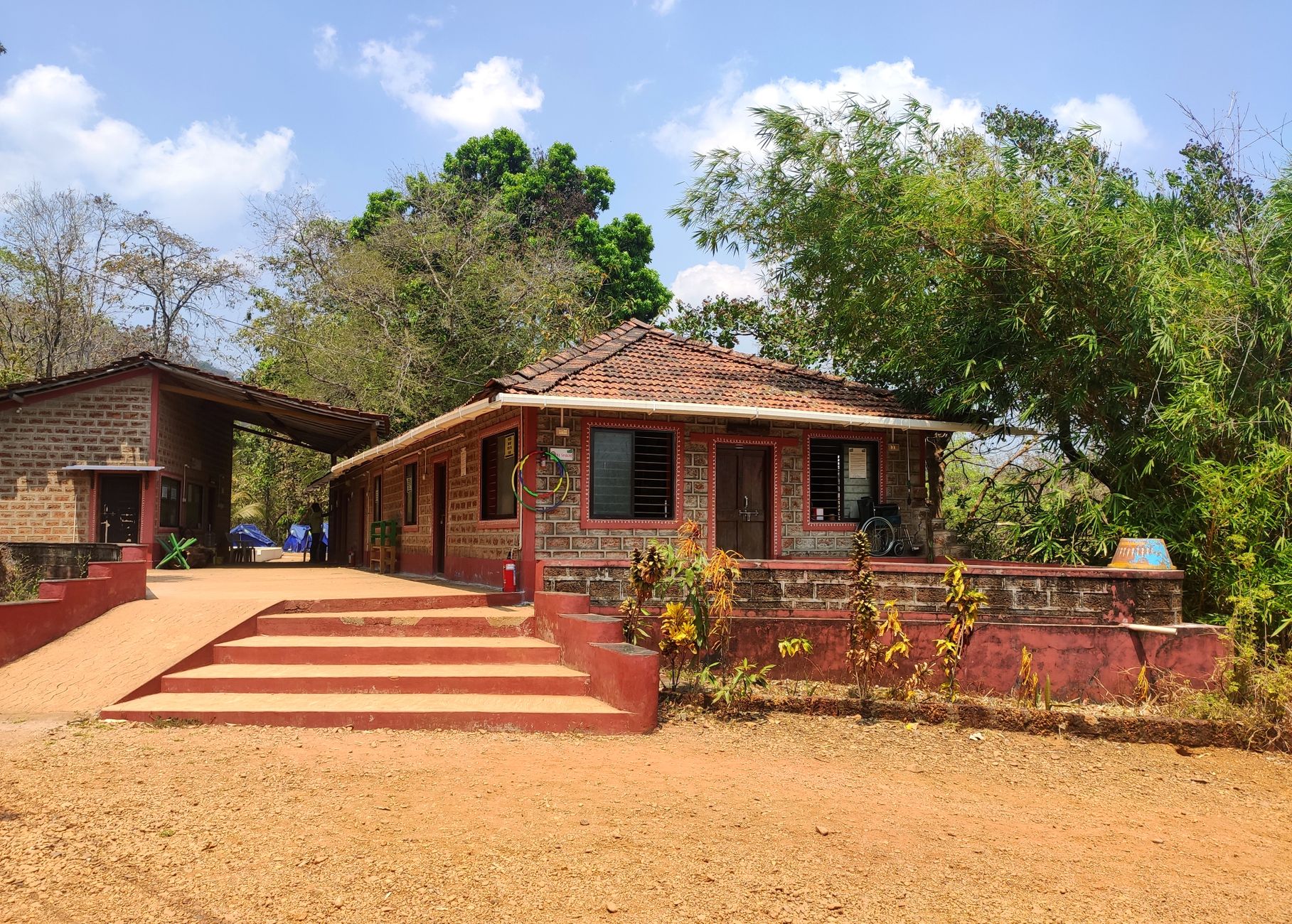
Homestay Park Chikmagalur: A Guide to Nature Stays & Farm Experiences
Homestay parks in Chikmagalur offer an authentic alternative to traditional hotels—you stay within coffee plantations or green estates, participate in daily farm activities, and eat home-cooked meals with local families. They're less commercial than resorts and more immersive than standard guesthouses, though amenities vary widely from basic to comfortable.
What exactly is a homestay park in Chikmagalur?
A homestay park is typically a small cluster of rooms or cottages set within a working coffee estate, spice garden, or agricultural property. Unlike a dedicated resort, you're hosted by the property owner or their family. You'll have access to farm activities—harvesting, processing, cooking lessons—and meals featuring local produce. Some offer pooled facilities; others are standalone homes. The experience bridges farm tourism with hospitality.
Why choose a homestay park over a conventional hotel?
Immersion vs. isolation: Hotels shield you from local life. Homestay parks put you in it. You wake to estate sounds, learn why coffee needs shade-grown conditions, and eat food picked that morning.
Related: Coorg in 2 Days: Complete Itinerary for Madikeri, Abbey Falls & Raja Seat
See also: Mysore Dasara Jamboo Savari: Best Viewing Spots and Timings
Related: Budget Hotels in Mysore for Dasara Week: A Book-Early Guide
Authenticity: You're supporting small families directly, not large corporations. Hosts often share family recipes, local history, and tips for exploring quiet villages.
Cost-effectiveness: Most homestay parks cost ₹1,500–₹3,500 per night (as of 2026), compared to ₹2,500–₹6,000+ for mid-range hotels in town.
Flexibility: Check-in and checkout times are usually negotiable. Hosts tailor activities to your interests rather than running fixed schedules.
The trade-off: fewer creature comforts, shared spaces, and less anonymity if you're seeking privacy.
Where are homestay parks concentrated?
Most cluster around Mutt Village and the coffee-belt villages of Sringeri, Tarikere, and Kemmanagundi foothills. These areas have genuine estate properties and family-owned gardens. Town-centre homestays exist but offer less agricultural experience.
For best results, seek properties with:
- Active coffee or spice cultivation (verify via photos or host communication)
- Clear cancellation policies
- Hosts who respond promptly before booking
- Guest reviews mentioning specific activities (not generic praise)
What activities are typically included or available?
Farm work:
- Coffee cherry picking (August–October, peak harvest)
- Sorting and drying beans
- Learning roasting and grinding basics
- Spice harvesting if on a mixed estate
Leisure and learning:
- Guided walks through plantations
- Cooking classes using estate produce
- Campfires with local storytelling
- Bird-watching (Chikmagalur hosts 300+ species)
- Visits to neighbouring villages on foot
Meals: Breakfast and dinner usually included; lunch negotiable. Expect South Indian vegetarian fare, homemade curries, rice, and coffee or tea from the property.
Not all homestays offer all activities—confirm specifics when booking.
How do you find and book a homestay park?
Direct channels:
- Search "Chikmagalur homestay" or "coffee estate stay" on Google Maps; filter reviews by date to spot active properties.
- Contact the Chikmagalur District Tourism office for registered homestay lists (www.chikmagalurtourism.org).
- Instagram and Facebook: many family-run properties advertise directly with photos and recent guest feedback.
Online platforms:
- Airbnb: filter for "entire home" and "farm" in Chikmagalur; read recent reviews carefully.
- Agriturismo-style platforms (still emerging in India) occasionally list Chikmagalur properties.
- Local WhatsApp groups and tourism forums sometimes share unpackaged homestay contacts.
Red flags to avoid:
- No clear photos of the property or rooms
- Unverifiable reviews or generic descriptions
- Hosts who pressure payment before confirmation
- Properties with no activity details (suggests it's just a rental, not an experience)
What should you pack and expect?
Pack:
- Sturdy walking shoes (estate trails are uneven)
- Sun protection and a light rain jacket (mornings are cool; afternoons warm)
- Work clothes if you'll harvest coffee (old shirt, trousers)
- Minimal luggage—roads to estates can be narrow
- Medications, as pharmacies may be 5–20 km away
Realistic expectations:
- No air-conditioning in most (fans or natural ventilation)
- Limited WiFi or none; embrace the quiet
- Squat or basic flush toilets in budget homestays
- Shared meals mean fixed dining times
- Electricity cuts during monsoon aren't uncommon
- Hosts are friendly, not hotel staff—they're living their lives, not serving yours
When is the best time to stay at a homestay park?
Harvest season (August–October): Coffee picking is active; weather is post-monsoon and green. Expect mud, rain, and the liveliest farm atmosphere.
Winter (November–January): Clear skies, cool mornings (10–15°C), and ideal for walks. Fewer tourists and lower rates. No harvesting, so activities are lighter.
Avoid: April–June (intense heat, dry estates) and July (heavy monsoon rains make trails unsafe).
For more seasonal detail, see our Chikmagalur best time to visit guide.
How much does a homestay park cost?
Budget homestays: ₹1,200–₹1,800/night (basic room, shared facilities, meals included)
Mid-range: ₹2,000–₹3,500/night (private room, attached bathroom, better meals)
Premium: ₹3,500–₹5,500+/night (cottage with sitting area, quality furnishings, curated experiences)
Most include breakfast and dinner. Lunch, activities, and transfers cost extra (₹300–₹1,000/person). Off-season rates can drop 20–30%.
How long should you stay?
2–3 nights: Enough to settle, do one activity, and feel the place. Minimum for real immersion.
4–5 nights: Sweet spot for learning coffee processes, exploring nearby villages, and relaxing without rushing.
1 week+: If you want to experience multiple seasons or deeply embed in farm cycles.
One night is generally insufficient—you'll spend the first evening checking in and the last morning packing.
Is a homestay park right for you?
Choose a homestay park if you:
- Enjoy rural or remote settings
- Are comfortable with basic to mid-range comfort
- Want authentic interaction (not privacy)
- Value learning over luxury
- Have flexible plans (activities depend on season and host availability)
Choose a conventional hotel if you:
- Prefer reliability, predictable service, and modern amenities
- Need reliable internet or TV
- Dislike shared spaces or fixed meal times
- Visit for only one night
For more information on Chikmagalur's range of accommodation and attractions, visit our Chikmagalur guide or explore things to do in Chikmagalur.
FAQ
Do I need to do farm work if I stay at a homestay park? No. Work is optional and usually available during harvest season. Many guests simply enjoy being on the estate, eating well, and taking walks. Ask the host about flexible arrangements when booking.
What if I'm vegetarian or have dietary restrictions? Most homestay parks in Chikmagalur are vegetarian by default. Inform the host before arrival about allergies or preferences. They'll usually accommodate, though variety may be limited.
Can I book a homestay park for a large group? Yes, but homestays are designed for small groups (2–6 people typically). For a group of 10+, you may need to book multiple properties or negotiate with the host. Book 4–6 weeks ahead for groups.
What happens if the homestay isn't as described? Contact the host immediately; most are willing to problem-solve (move you to another property, offer a discount, etc.). Document issues with photos. If unresolved, request a refund via the booking platform or local consumer channels. This is rare but possible.