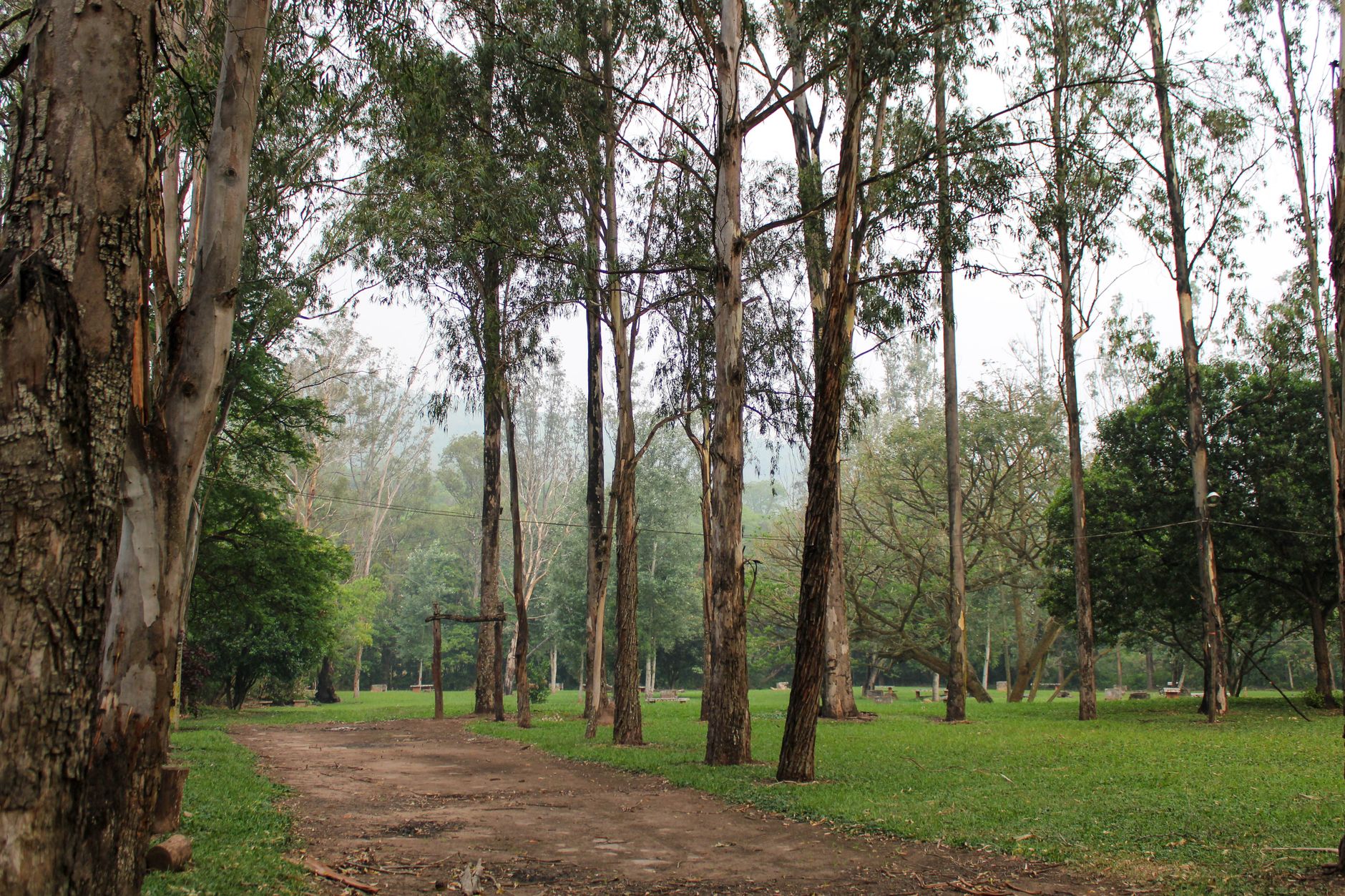
Homestay Park Chikmagalur: A Complete Visitor's Guide
Homestay Park is one of Chikmagalur's most sought-after accommodation experiences, combining the authenticity of a homestay with the structured amenities travellers expect. Located within a coffee plantation estate, it offers an intimate glimpse into plantation life whilst maintaining comfortable modern facilities. Whether you're a first-time visitor or planning a return stay, this guide covers everything you need to know.
What is Homestay Park Chikmagalur?
Homestay Park functions as a curated hospitality space within an active coffee estate in Chikmagalur's hilly landscape. Unlike typical hotels, it emphasises direct interaction with the plantation environment and hosts, whilst providing private rooms, reliable meals, and organised activities. The experience sits between raw backpacker hostels and luxury resorts—accessible, authentic, yet comfortable.
The property typically spans several acres of plantation land, with accommodation units nestled amongst coffee plants, shade trees, and gardens. Most homestays in this category maintain a maximum of 10–20 rooms to preserve the intimate atmosphere that defines the homestay concept.
Related: Kukkarahalli Lake Walking Path: Route Guide & Visiting Tips
Related: Hampi Heritage and Wilderness Resort by Jungle Lodges: A Complete Guide
Related: Hotel Karuna Residency: What to Expect & Alternatives
What Can You Do at Homestay Park?
Activities at Homestay Park revolve around the plantation and surrounding landscape:
Plantation tours and coffee processing: The core experience. Most homestays offer guided walks through their coffee estates, explaining coffee plant varieties, harvesting cycles, and shade-tree management. Some include visits to on-site processing units where you'll see coffee pulping, fermentation, and drying methods.
Bird watching and nature walks: Chikmagalur's plantations host numerous bird species. Early morning walks yield sightings of hornbills, eagles, and smaller forest birds. The canopy-rich environment is ideal for photography.
Cooking classes: Many homestays offer optional cooking sessions using local and plantation-grown ingredients, particularly spice-based curries and coffee-infused dishes.
Waterfall visits and trekking: Homestays typically arrange short excursions to nearby waterfalls (Hebbe Falls, Kallathigiri Falls) and easy forest trails. These are usually half-day activities.
Campfire evenings: Common in the evenings, particularly in cooler months. Some homestays include local music or storytelling sessions.
Stargazing: The plantation's elevated location and minimal light pollution make for clear night skies—increasingly offered as a structured activity.
When is the Best Time to Visit?
Chikmagalur's climate shapes your experience significantly:
October to February (peak season): Cool, dry weather (15–25°C). Ideal for trekking, bird watching, and outdoor activities. This is when coffee harvest happens, adding working authenticity. Rooms book quickly; advance bookings essential.
June to September (monsoon): Heavy rainfall transforms the plantation into vivid green. Waterfalls flow powerfully. Best for those seeking solitude and atmospheric photography, though outdoor activities are limited. Landslide risks on some mountain roads occur; confirm access before visiting.
March to May (summer): Hot and dry (28–35°C). Least popular, which means lower prices and fewer crowds. Plantation irrigation is active, offering different visual interest. Water scarcity sometimes affects facilities.
Recommended timing: October to December or January to February. Harvest season (October–January) adds cultural and agricultural value to your stay. Late January–February offers comfortable weather without the crowd surge.
For detailed information on seasonal considerations, visit our Chikmagalur best time to visit guide.
Practical Information: Before You Go
How to reach Homestay Park: Most homestays are located 30–60 km from Chikmagalur town, accessed via winding ghat roads. Self-drive via rental car is common; homestays often arrange airport transfers from Bengaluru (around 250 km, 5–6 hours). Public buses run to Chikmagalur town, but local transport to the property requires private arrangements.
Booking and pricing: Homestays typically charge ₹2,500–₹6,000 per room per night (depending on season and room type). Most include meals (breakfast and dinner) and one activity per day. Booking via direct contact, WhatsApp, or platforms like Airbnb/Hostels.com is standard. Confirm activity inclusions before booking.
Duration: 2–3 nights is ideal. This allows a full plantation tour, one trekking activity, and time to simply rest and absorb the setting. First nights are often spent on acclimatisation and local orientation.
What to pack:
- Lightweight, breathable clothing (cotton or merino).
- Good trekking shoes with grip (trails can be muddy).
- Light jacket or fleece (mornings and evenings are cool, especially October–February).
- Insect repellent.
- Sun protection (sunscreen, hat).
- Reusable water bottle.
- Camera for bird watching and landscape shots.
- Any prescribed medications.
Facilities to expect: Most homestays offer private bathrooms (squat or Western toilet), hot water (geyser or solar), Wi-Fi (intermittent), and basic room amenities (fan, bed, possibly AC in premium rooms). Power cuts are occasional; torches or power banks recommended. Food is home-cooked, catering to vegetarian and non-vegetarian diets—inform hosts of dietary restrictions when booking.
How Does Homestay Park Compare to Other Chikmagalur Accommodation?
Homestay Park vs. plantation resorts: Resorts offer more manicured amenities, larger pools, and restaurant menus. Homestays prioritise authenticity and personal interaction with hosts. Resorts suit families; homestays appeal to couples and solo travellers seeking cultural immersion.
Homestay Park vs. backpacker hostels: Hostels in Chikmagalur town are cheaper (₹400–₹1,000) but lack the plantation experience and organised activities. Homestays are worth the premium for their setting and inclusions.
Homestay Park vs. camping: Some homestays incorporate camping tents on-site. Fixed accommodations (homestays) offer better comfort; camping suits those prioritising adventure and minimal amenities.
Tips for a Better Homestay Experience
- Arrive with a flexible mindset: Facilities won't match five-star hotels. Expect authentic, not polished.
- Engage with your host: Hosts often share invaluable local knowledge, family recipes, and stories. Conversation enhances the experience exponentially.
- Start early: Plantation and bird-watching activities are best at dawn. Resist the urge to sleep in.
- Carry cash: Remote locations sometimes lack card payment facilities. ATMs are in Chikmagalur town.
- Ask about lesser-known trails: Guides often know quieter walks beyond standard offerings.
- Respect the working plantation: Don't stray into active harvesting areas without permission. Understand that you're in a working agricultural space.
Frequently Asked Questions
Q: Is Homestay Park suitable for families with young children? A: Yes, but with caveats. Plantation trails involve uneven terrain; children 6+ manage better. Ensure the homestay has childproofed spaces and can adjust meal timings. Very young children may find limited entertainment during rainy seasons.
Q: Can I visit Homestay Park as a solo traveller? A: Absolutely. Solo travellers often connect with hosts and other guests naturally. Homestays are safer and more welcoming than backpacker hostels for solo visitors in rural Karnataka.
Q: Do homestays accommodate dietary requirements (vegan, gluten-free)? A: Most do, provided you inform them during booking. Homestays' home-cooked model makes customisation easier than hotels, though ingredient availability varies.
Q: What if I don't want to participate in activities? A: You're free to opt out. Homestays don't force participation. Many travellers simply rest, read, and enjoy the surroundings. Inform hosts of your preference beforehand.
Homestay Park captures Chikmagalur's essence—coffee, green hills, and genuine hospitality—in a way polished hotels cannot. Plan for the off-season if crowds concern you, pack appropriately for mountain weather, and approach your stay with openness to authentic experience. For more on what Chikmagalur offers, explore our Chikmagalur travel guide.