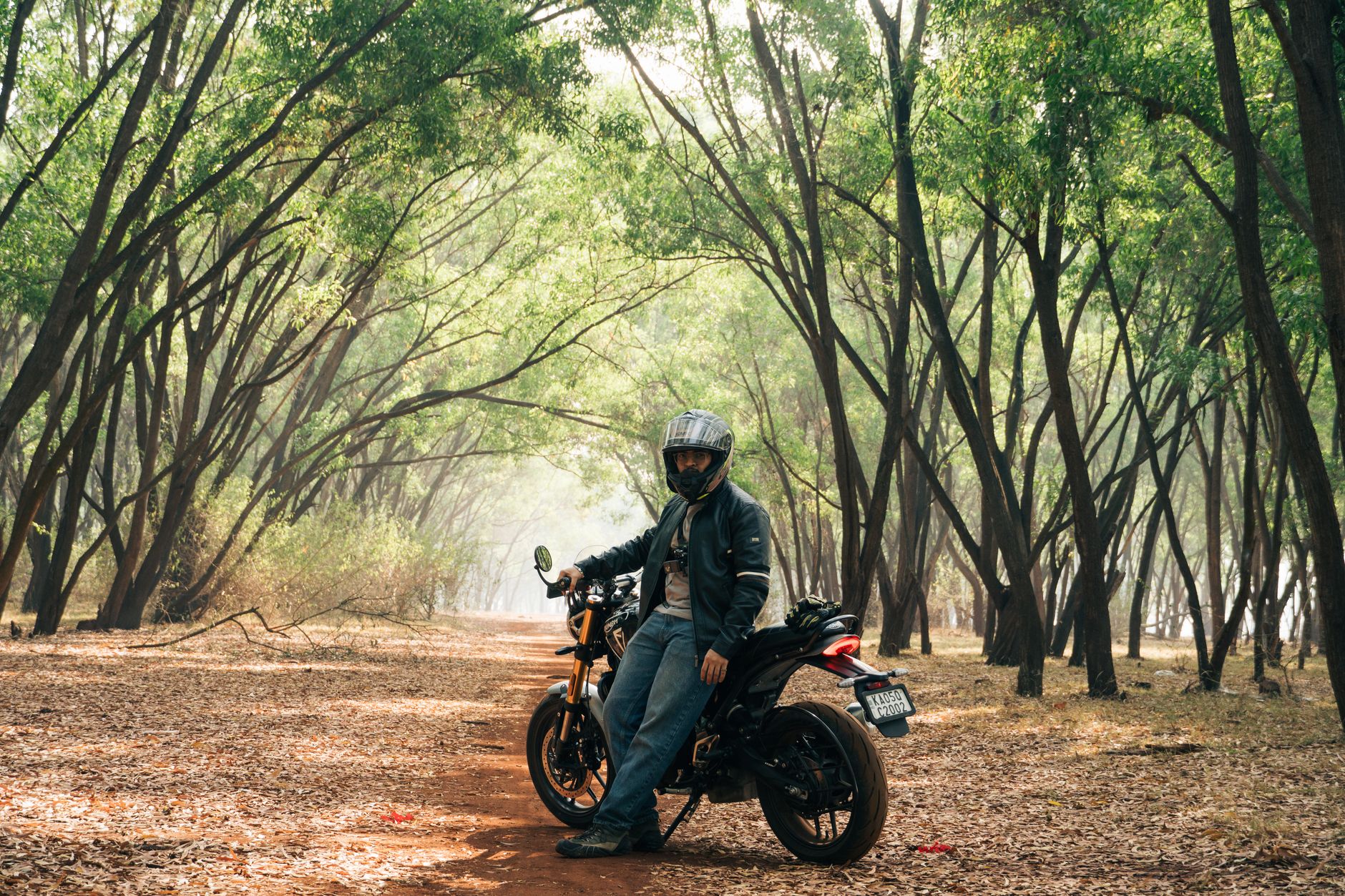
Hassan Route: Coffee Estates, Temples & Forest Drives
Hassan serves as both a junction and a destination. It's where the Deccan plateau meets the Western Ghats, where coffee estates roll into spice gardens, and where ancient pilgrimage routes intersect modern highways. A Hassan route isn't one itinerary—it's several worthwhile journeys, each offering different rhythms and seasons.
The most rewarding Hassan routes take 2–4 days and favour slow driving, tea breaks in estate towns, and staying overnight in smaller places like Belur or Alur rather than rushing through. This guide covers the main routes travellers actually take, with honest seasonal trade-offs.
The Hassan–Coorg Route: Coffee Country Drive
This is the classic Hassan route, heading south towards Coorg (Kodagu district). It's 95 km to Madikeri, but the journey matters more than the endpoint.
Related: Mysore with Family: Stays and Things to Do
Related: Jamesville, Bengaluru: A Local's Guide to This Residential Neighbourhood
Related: Beach Heaven in Karnataka: Coastal Gems Worth Visiting
What you'll see: Coffee estates dominate from Hassan southward. In the dry season (October–May), the estates are vibrant green, coffee cherries ripen on the trees, and visibility is crisp—perfect for stopping to photograph the orderly rows of bushes beneath shade trees. The air smells of wet earth and rich soil. Villages along this route—Alur, Belur—are working towns, not tourist parks. You'll pass small spice shops, roadside fruit stalls selling local oranges and peaches, and occasional temples tucked into the hillside.
During monsoon (June–September), the same route becomes cloud-wrapped. Roads are wet, visibility drops to 50 metres, and the estates glow an almost luminous green. The experience is moodier, more solitary. Landslides sometimes close minor roads. If you're driving this in monsoon, take it slowly and check conditions before departing Hassan.
Key stops:
- Belur: Home to the Chennakesava Temple, a 12th-century Hoysala masterpiece. Carved pillars and intricate stone work reveal four centuries of devotion. Spend 90 minutes here; the temple is quiet in early morning and late afternoon.
- Halebidu: Another Hoysala temple complex, 30 km from Hassan. The Hoysaleswara Temple is larger and equally ornate. These two towns anchor the 'Hoysala Trail', a 40 km loop from Hassan that many travellers do as a day trip.
- Alur: Small town with a modest palace and working spice markets. Good for lunch or a quick walk to sense life beyond tourism.
Best season: October–May. Dry roads, clear views, and estate activity at its peak.
The Hassan–Mysore Route: Plateau Drive
Heading east from Hassan towards Mysore (118 km), this route climbs gradually onto the Deccan plateau. It's flatter and less scenic than the Coorg road, but historically significant and quiet.
What you'll experience: After leaving Hassan, the landscape opens into dry farmland—cotton, sugarcane, and groundnut fields. Small towns like Belur, Arsikere, and Yallapur are railway junctions with old colonial architecture and modest temples. The route passes through Arsikere, a place few tourists know, with a historic silk town atmosphere.
The plateau here is drier than the Western Ghats. In summer (March–May), the fields are parched, dust rises from roads, and the air is hazy. In monsoon, the same fields turn emerald and thunderstorms roll across the horizon dramatically. Post-monsoon (October–November) is ideal—soft light, green landscape, and cool mornings.
Why drive this: It's not famous, which is why it's worth it. You'll see how rural Karnataka actually functions: daily markets, agricultural cycles, local buses packed with farmers and schoolchildren. There's no pressure to perform for tourists. Stop in Arsikere for an hour, walk the bazaar, have local food (look for ragi rotis and local curries), then continue.
Best season: October–November or February–March. Avoid May (extreme heat) and peak monsoon.
The Hassan–Chikmagalur Route: Higher Altitude, Wilder Landscape
Northwest from Hassan (about 90 km), Chikmagalur offers a route into more dramatically forested terrain. This drive is shorter but more intense—the roads climb steeply and wind through real forest, not just plantation.
What changes: As you ascend towards Chikmagalur, coffee estates give way to denser shade trees and intermittent forest patches. The air cools noticeably; at Chikmagalur town (1100 metres elevation), temperatures are 4–5°C lower than Hassan. Misty mornings are the rule, not the exception, especially November–February.
This route passes through Kadur, a small town surrounded by spice gardens (cardamom, pepper, cinnamon). The landscape feels closer to Kerala than the Deccan plateau—humid, green, and layered.
Why take it: If you're interested in higher-altitude estates, forest walks, and a more vertical landscape. The Baba Budan Giri mountain range looms dramatically, and several trekking trails leave from Chikmagalur town.
Best season: November–February. Monsoon (June–September) brings heavy rain and occasional landslides on smaller roads.
Seasonal Trade-offs Explained
October–May (dry season): Roads are in best condition. Views are clear, especially morning light. Estate workers are visible, harvesting or pruning. Temperatures are moderate (15–28°C in the hills). Downside: water sources for roadside stops are limited; some smaller guesthouses and temples have restricted water access.
June–September (monsoon): Landscape is maximally green; the Western Ghats forests are alive with birdsong and waterfalls. The air is cool and clean. Downside: heavy rain makes driving slower and more cautious. Some minor roads close. Visibility drops. Landslide risk increases. Many travellers avoid this season, which means fewer tourists and quieter routes—good if you enjoy solitude, challenging if you're on a tight schedule.
March–May (late dry season): Roads are clear, but temperatures climb sharply (30–35°C in the plain around Hassan). The landscape looks tired and dusty. Not ideal for outdoor photography or extensive walking, but roads are safe.
Practical Tips for Hassan Routes
Drive times matter more than km. A 100 km Hassan–Coorg drive takes 2.5–3 hours on a clear day, 3.5–4 hours in monsoon. Build in stops.
Refuel in Hassan. Petrol stations are available along all main routes, but they're spaced 30–50 km apart. Don't assume a small town has a pump.
Stay overnight in smaller towns. Hassan town itself is functional and busy. Belur, Alur, or Arsikere offer quieter stays and closer proximity to temples and estates.
Estate visits aren't always open to casual visitors. Some working coffee estates welcome visitors during dry season (November–March). Ask at your accommodation or contact estate offices in advance. Photography may be restricted.
Food along the route: Look for local bakeries in small towns (good fresh bread), street-side dosas and idlis, and sit-down restaurants serving Kannada curries. Avoid roadside food if it doesn't look freshly made.
Route Comparison: Which to Choose?
| Route | Distance | Highlights | Best for | Drive Time |
|---|---|---|---|---|
| Hassan–Coorg | 95 km | Coffee estates, Hoysala temples, Western Ghats | Estate photography, hill scenery | 2.5–3.5 hrs |
| Hassan–Mysore | 118 km | Plateau, historic towns, rural life | Understanding rural Karnataka | 3–4 hrs |
| Hassan–Chikmagalur | 90 km | Higher altitude, forest, cardamom gardens | Forest walks, dramatic views | 2.5–3 hrs |
For a first visit, combine Hassan–Belur–Halebidu–Coorg over 3 days. For deeper rural engagement, add the Mysore route. For forest intensity, detour to Chikmagalur.
Related Journeys
If you're designing a larger Karnataka trip, Hassan routes connect naturally to Coorg's coffee plantations (south), Chikmagalur's hill stations (northwest), and Mysore's palace heritage (east). Many travellers pair Hassan with a longer Deccan plateau loop or a Western Ghats trek.
FAQ: Hassan Route Questions
Q: Can I do a Hassan route as a day trip from Bangalore? A: Technically yes—Hassan is 180 km from Bangalore (3.5 hours drive), so you could do a long day visiting Belur and Halebidu temples. But it's rushed. Better to spend a night in Hassan or Belur and give yourself time to stop, walk, and absorb the estates. A 2-day trip from Bangalore is much more rewarding.
Q: Is the Hassan–Coorg route safe during monsoon? A: Yes, if you're cautious. Main roads are maintained. Drive slowly, check weather before starting, and avoid very heavy rain. Minor roads and estate tracks may be closed. Landslides occasionally block stretches for a few hours. Check local news before departure. Travellers do this route in monsoon, but it requires patience.
Q: What's the best way to see coffee estates up close? A: Ask your accommodation to arrange a guide or contact estate offices directly. Many estates in the Hassan area offer paid tours (typically ₹200–500 per person) during dry season. November–February is the best time, when harvesting is active. Go early morning (6–7 am) for the finest mist and cooler light.
Q: Should I hire a driver or drive myself? A: If you're comfortable with hilly, winding roads and Indian traffic, self-driving is rewarding—you control stops and pace. Hire a driver if you'd rather relax, take photos safely, or prefer someone with local knowledge. Many small towns near Hassan have local taxi operators offering 12-hour or full-day rates.