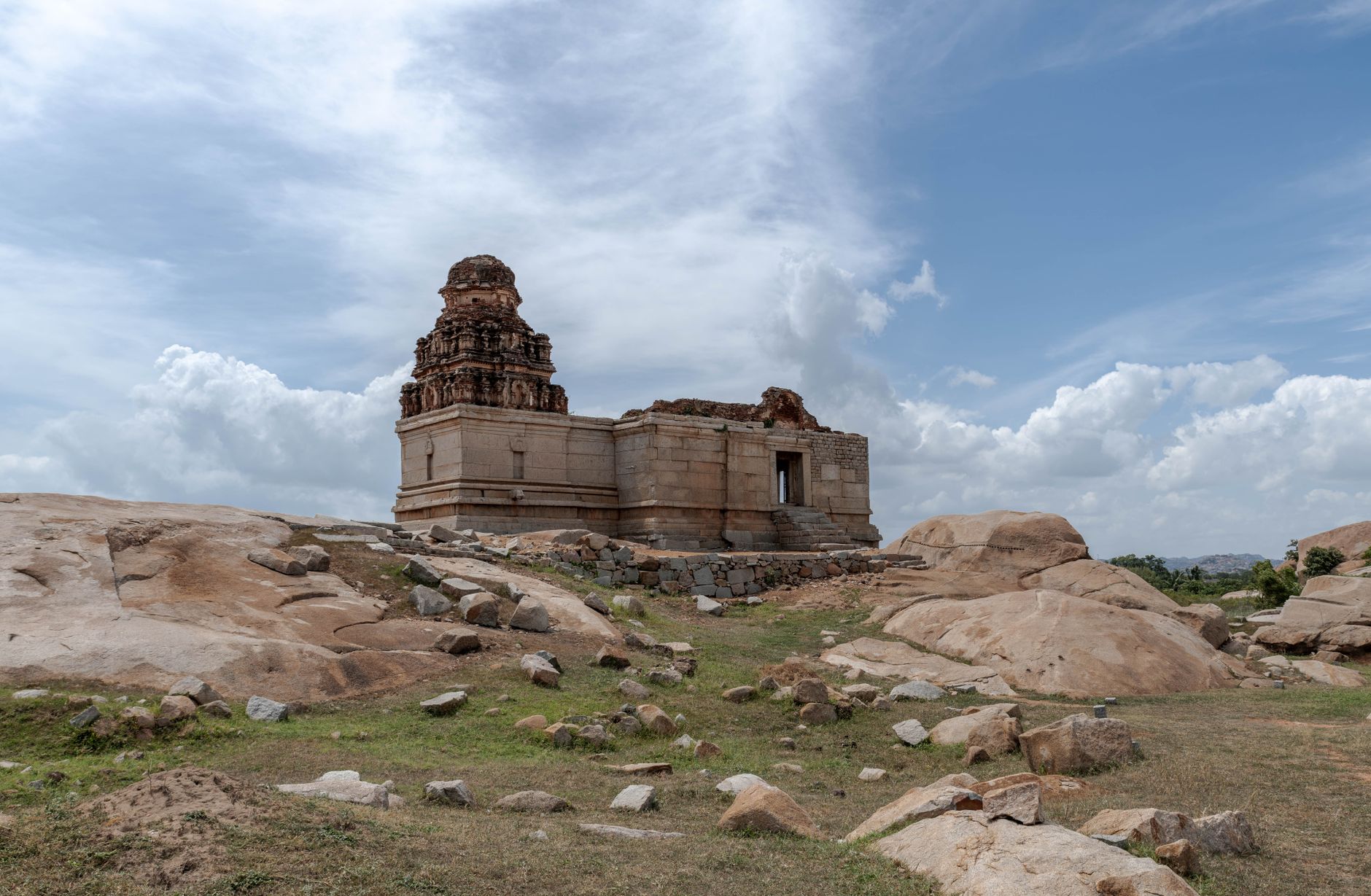
Hampi with Family: Stays and Things to Do
Hampi transforms into an open-air classroom when you travel with children. The ruins of this once-mighty empire sprawl across volcanic plateaus and riverside valleys, inviting scrambling, exploring, and genuine wonder. The key is choosing a base that suits your family's pace and budget, then building a rhythm of structured activities with free play time among the temples.
Which accommodation style suits families best?
Family stays in Hampi fall into distinct categories, each with genuine trade-offs.
Luxury heritage properties offer air-conditioned rooms, reliable wifi, and restaurants where you can decompress after dusty days. WelcomHeritage Shivavilas Palace (9.1/10, 133 reviews) feels like stepping into a raja's summer retreat, with manicured gardens and a pool—perfect for cooling off in the afternoon heat. Families with younger children often appreciate the all-in-one facilities. Heritage Resort Hampii (8.6/10, 1,221 reviews) offers similar comfort with a slightly less formal atmosphere and strong ratings from returning guests.
Related: Hotels Near Kempegowda Airport With Free Shuttle: What You Actually Need to Know
See also: Things to do in Sirsi: attractions and local tips
See also: Business Hotels in Whitefield Bengaluru: Practical Guide for Corporate Stays
Mid-range comfort hotels balance affordability with convenience. Hotel Malligi (8.6/10, 1,148 reviews) and Clarks Inn Hampi (7.6/10, 933 reviews) both have family rooms, on-site restaurants, and staff accustomed to organising local tours. These work well for families who want comfort without luxury prices—the sort of places where kids feel welcome rather than carefully monitored.
Budget and hostel options suit adventurous families happy to trade air-conditioning for authenticity. Zostel Hampi (Gangavathi) (8.5/10, 341 reviews) draws young families and solo travellers; the communal atmosphere means your children meet other kids, and private rooms are available. It's a different rhythm—more flexibility, less predictability.
What activities actually work with children?
Hampi's appeal isn't theme parks or attractions designed for young audiences. It's raw, unstructured, and that's precisely why it engages children's imaginations.
Temple scrambling and boulder exploration tops the list. The rocky landscape around the Virupaksha Temple and Hemakuta Hill begs to be climbed. Children aged 5+ can navigate the boulders with supervision; older kids lose themselves for hours clambering between stones, peering into crevices, and discovering sightlines to distant ruins. Bring plenty of water and sturdy shoes.
Coracle rides on the Tungabhadra River are genuinely magical—small, circular boats that move with surprising grace. The boatman will point out temple features from the water and navigate to riverside caves. It takes 30–45 minutes, works for children from age 4 onwards, and provides a complete change of pace. Go early morning to avoid the heat and see light filtering through riverside cliffs.
The Krishna Temple and Achyutaraya Temple are less overwhelming than Virupaksha, with fewer crowds and more intimate spaces. Children enjoy the carved pillars, hidden shrines, and the sense of discovering rooms and corridors on their own. The Achyutaraya area is particularly good for families—quieter, scenic, and with natural stopping points for breaks.
Hire a guide for the first half-day. This isn't wasted money; a knowledgeable guide transforms abstract ruins into narratives. They'll explain why a particular temple matters, point out architectural details children might miss, and keep the pace manageable. Guides also know which areas are safe and which are genuinely hot in peak hours.
The Lotus Mahal and Elephant Stables appeal differently. These secular structures are easier to understand than temples—children grasp that these were places where people actually lived and worked. The Elephant Stables, in particular, have a scale that feels less oppressively ancient.
Seasonal timing: When should families visit?
Don't visit June–September. The monsoon transforms Hampi's appeal entirely: paths become treacherous, humidity climbs above comfort levels, and many smaller ruins become inaccessible. October through February is ideal. November–December offers the most reliable weather, though it's also peak season and sites become crowded by mid-morning.
January can be surprisingly cold at dawn, but days warm quickly. February is warm but manageable if you begin activities by 7 a.m. and rest during 12–4 p.m. March and April are intensely hot; families manage with early starts and extended afternoons by the pool.
Structuring a realistic family itinerary
Day one: Arrive in the afternoon, settle in, and have an early dinner. Let jet lag work in your favour—children often sleep deeply and wake ready for activity.
Day two: Hire a guide and spend the morning (6:30–10 a.m.) exploring the main temple complex and Hemakuta Hill. Return for a long, leisurely lunch. Afternoon: pool time or a riverside walk without rushing.
Day three: Coracle ride at dawn, followed by breakfast. Mid-morning: Krishna Temple and quieter ruins. Afternoon free time.
Day four: Elephant Stables and Lotus Mahal—a different character from the large temples. Evening: a sunset walk to Matanga Hill if children enjoy hiking, or simply dinner with a riverside view.
Two full days exploring, one flexible day, and one travel day is realistic. Longer stays risk repetition; shorter trips mean either rushing or missing what makes Hampi special.
Where to rest between activities
Afternoon rest is not laziness; it's essential. The plateau's heat intensifies from 11 a.m. onwards, and children (and adults) will suffer. A pool, quiet room, and a midday meal make the difference between a memorable trip and a grinding endurance test.
Royal Orchid Central Kireeti Hampi (7.9/10, 517 reviews) has a strong reputation for pool facilities and courteous staff. Leo Wooden Resort (7.6/10, 113 reviews) offers a quieter, more intimate setting with traditional architecture—appealing if your family prefers character over convenience.
Practical considerations
Food: Restaurant quality varies. Stick with hotel restaurants for safety unless you're confident with street food. Many hotels can prepare mild, familiar options for children if forewarned.
Water: Essential. Children dehydrate quickly under the Deccan sun. Carry at least 2 litres per person daily.
Footwear: Good walking shoes, not sandals. The terrain is rocky, hot in direct sun, and occasionally sharp.
Timing: Start all activities by 7 a.m. By 10 a.m., the majority of tourists crowd the main sites, and the heat becomes oppressive.
FAQ
Is Hampi safe for children? Yes, Hampi is very safe. The main risks are heat exhaustion and the uneven terrain around ruins. Supervise younger children near steep drops and rocky edges. Stick to established paths and hire guides for first visits.
What's the best accommodation for families with very young children (under 5)? Heritage Resort Hampii and WelcomHeritage Shivavilas Palace offer the most reliable amenities, quiet spaces, and staff who can handle naps and early dinners. Pool facilities are excellent for cooling off.
Can we see Hampi's main sites in a single day? Technically yes, but it's exhausting and defeats the purpose. A rush through temples feels like sightseeing; a slower pace feels like discovery. Two full days allows rest and actual engagement.
Is October or November better for families? October is hotter but less crowded. November is slightly cooler and very busy. Choose October if you're comfortable with heat and want fewer tourists; choose November if you prefer moderate temperatures and don't mind crowds by mid-morning.
For more on when to visit, explore our guides to Hampi's best time to visit and discover nearby family-friendly destinations in the region.