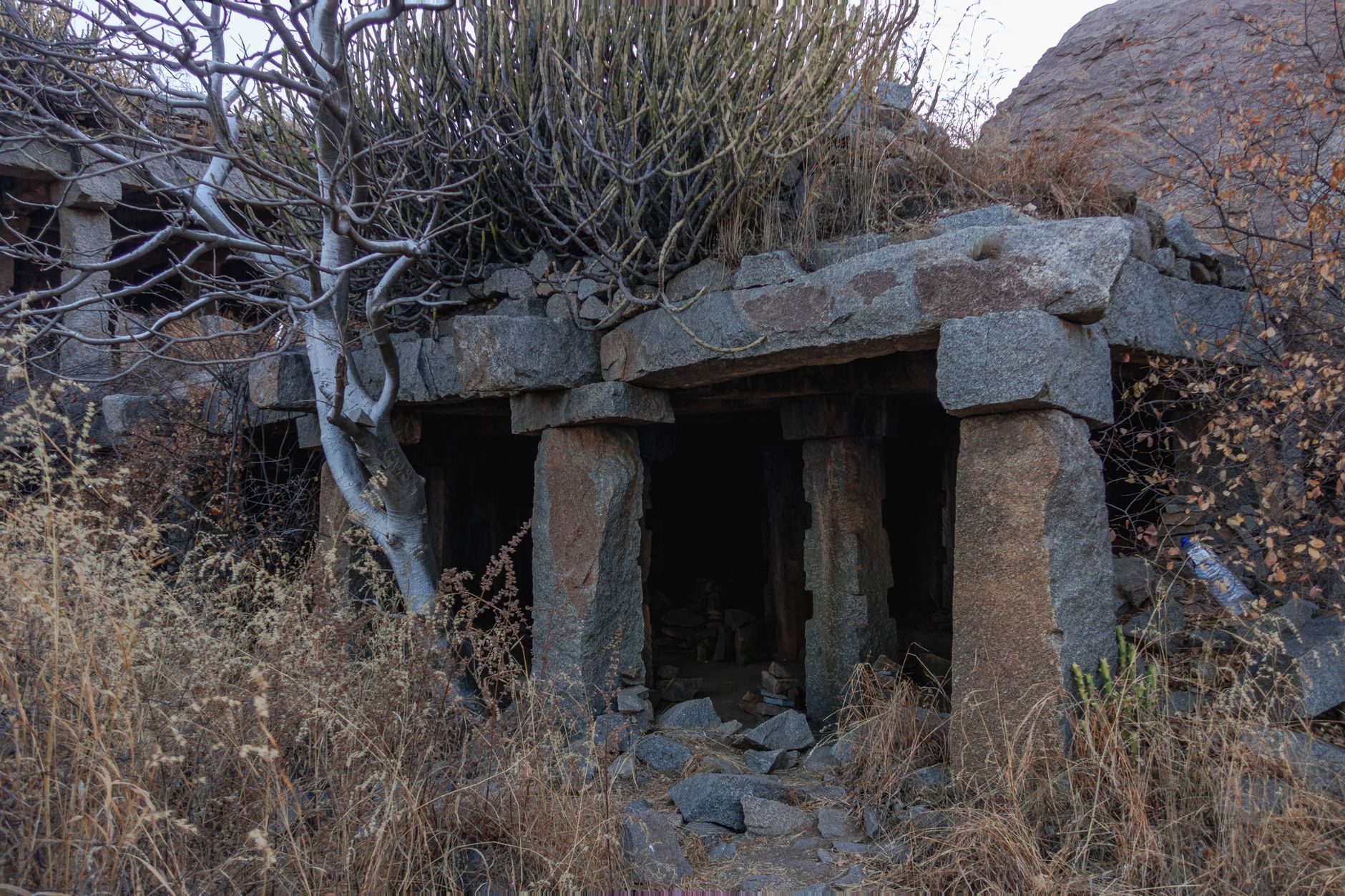
Hampi Heritage and Wilderness Resort: Where Ancient Ruins Meet Natural Retreat
Hampi's heritage and wilderness resorts occupy a unique space where you can examine centuries-old temples and palace ruins by day, then retreat into serene natural surroundings by evening. These properties—typically set along the Tungabhadra River or among boulder-strewn landscapes—combine historical immersion with the calm that draws people seeking escape from routine urban life.
What Makes Hampi's Resort Experience Different?
Unlike conventional heritage hotels clustered in city centres, Hampi's resorts leverage the landscape itself as part of the accommodation philosophy. The Deccan plateau's granite boulders, river valleys and open grasslands frame your experience alongside the 16th-century ruins of the Vijayanagara Empire. You're not simply staying near history—you're sleeping within it, waking to views of temples across hillsides and falling asleep to the sound of water flowing through ancient channels.
The wilderness element distinguishes these properties from urban heritage hotels. Many resorts sit on substantial grounds with gardens, orchards and direct river access, which means activities extend beyond building visits. Early morning walks through property grounds often reveal both architectural remains and local bird species; evening sitting areas overlook the same landscapes that inspired the empire's architects five centuries ago.
Related: Evergreen Resort Sirsi: A Complete Guide to Staying in Nature's Lap
See also: Infosys Gate 6 Bangalore: Access, Timing & What to Know
See also: Budget Hotels in Bidar: Where to Stay Without Breaking the Bank
Heritage Focus: Understanding What You're Staying Within
Hampi became the capital of the Vijayanagara Empire in 1336 and flourished as one of the world's largest cities until its decline following the 1565 Battle of Talikota. The ruins you see today—spread across roughly 4,200 hectares—represent palaces, temples, bazaars, elephant stables and defensive structures. Most resorts occupy land that once formed part of the royal or merchant quarters, meaning your accommodation sits in historically significant terrain.
When selecting a resort, consider its proximity to specific ruins. Properties near the sacred centre provide easier access to the Krishna Temple and Vitthala Temple complex; those positioned along the river corridor offer views of the Achyutaraya Temple and Hazara Rama Temple. Some resorts sit closer to the royal enclosure area with its impressive stone platforms and underground chambers. This geographic positioning affects both your experience and practical logistics—walking distances and orientation times vary significantly.
The Wilderness Component: Landscape and Activities
The landscape surrounding Hampi presents a particular kind of wilderness: not dense forest, but open terrain where granite outcrops create natural sculpture, where the Tungabhadra River carves through the plateau, and where agriculture still operates between archaeological zones. This produces an atmosphere quite different from forest resorts, with wider horizons and a sense of inhabiting an active, working landscape rather than a preserved zone.
Resorts capitalising on wilderness access typically offer river activities—coracle rides (traditional circular boats) and kayaking provide perspectives on ruins and surrounding villages from the water. Hiking excursions traverse archaeological sites and agricultural areas, often passing through small settlements where you encounter daily life largely unchanged for generations. Dawn expeditions catch light across the boulder landscape and allow views before day-trippers arrive. Evening walks reveal how the landscape transforms under different sun angles; photographers particularly value the 90-minute window before sunset.
Bird-watching appeals to many guests—the river corridor and reservoir areas support significant bird populations, with winter months bringing migratory species. Rock climbing and bouldering activities utilise the natural granite formations, from gentle scrambles to technical climbs depending on guest experience.
Balancing History Exploration with Resort Comfort
The challenge many travellers face is energy management—ruins require walking and mental attention, while the landscape inspires a slower pace. Effective resorts acknowledge this through timing and pacing suggestions. Morning excursions when temperatures remain reasonable allow substantial exploration; afternoons often feature pool time, reading spaces or lighter activities like coracle rides. This rhythm prevents the exhaustion that accompanies trying to see everything while also experiencing the setting's atmosphere.
Accommodations themselves vary significantly. Some properties emphasise simplicity—basic but comfortable rooms with minimal fixtures, allowing the landscape and ruins to remain the primary focus. Others provide fuller amenities including spas, multi-cuisine restaurants and curated cultural programmes featuring local musicians or historians. Neither approach is inherently superior; your choice depends on whether you prefer immersion in rougher conditions or more conventional comfort standards.
Meals deserve particular attention. Quality resorts source from local produce and often feature regional cuisine alongside more familiar options. Breakfast typically includes fresh fruit from surrounding orchards; evening meals feature finger millet rotis, local fish preparations and vegetables grown in the region. Dining al fresco—on terraces overlooking the river or ruins—becomes part of the experience rather than a separate activity.
Planning Your Resort Stay Timeline
Two to three nights represents a practical minimum for engaging meaningfully with both the heritage and wilderness elements. This allows a full day exploring major ruins, an evening immersion in landscape-based activities, and a partial day for secondary sites or relaxation before departure. Longer stays particularly suit those interested in deeper archaeological understanding, photography, or simply slowing down—each additional night reveals different landscape moods and allows revisiting sites under varying light conditions.
Season significantly affects experience quality. October through February offers pleasant temperatures, clear skies and optimal walking conditions, though resorts book more heavily. March through May brings intense heat but fewer visitors and dramatic late-afternoon light. June through September involves monsoon rainfall that transforms the landscape's green intensity while limiting certain activities. Winter months (December–January) provide the most comfortable conditions but attract the most visitors, affecting both resort availability and ruins' peacefulfulness.
Practical Considerations for Your Visit
Most resorts lie 5–15 kilometres from Hampi town, accessible by car or motorcycle; limited public transport exists in the area. Arranging vehicle hire through your resort simplifies logistics. Walking distances between major ruins vary from 500 metres to several kilometres; wear sturdy shoes, carry water, and start explorations early. The archaeological department charges entry fees for designated monument zones—this typically covers access for two to three days during your stay.
Physical fitness requirements are moderate for basic sightseeing but increase if pursuing climbing activities or extensive hiking. Uneven ground, steps without railings and occasional steep sections characterise many ruins. The wilderness elements—river activities, dawn walks—require reasonable mobility though few activities demand exceptional fitness.
Digital connectivity varies by property and location. Some resorts maintain reliable internet; others deliberately limit connectivity. Consider your preferences before booking, particularly if work commitments exist. Mobile networks generally function in main resort areas but may weaken in distant corners of the archaeological zone.
Heritage Resorts Compared to Town-Based Accommodation
Staying in Hampi town (the small village adjacent to archaeological zones) offers closer proximity to daily life, local eateries and evening activities, but typically in more basic facilities and noisier surroundings. Heritage and wilderness resorts trade some village accessibility for quieter settings, fuller facilities and landscape integration. Town-based stays suit cultural immersion seekers; resort stays suit those prioritising comfort, guided experiences and peaceful evenings. The choice depends on whether you value community engagement or restoration as your primary evening focus.
Extending Your Hampi Experience
Consider combining your resort stay with visits to nearby sites: Virupaksha Temple (the functioning Hindu temple at Hampi's centre), Tungabhadra Dam for engineering history context, or villages like Anegundi across the river where archaeological remains integrate with ongoing settlement. The coastal town of Goa lies approximately 270 kilometres away if you're extending into a longer journey; alternatively, the coffee plantations and hill scenery of /ella make a contrasting second destination within the region.
Frequently Asked Questions
What's included in typical resort stays? Accommodation, meals (usually full board), and access to resort grounds are standard. Guided archaeological tours, activity facilitation and cultural programmes vary by property; confirm specific inclusions when booking.
Is previous historical knowledge necessary to enjoy the experience? No—the landscape's atmosphere and the physical experience of examining centuries-old structures engage you regardless of background knowledge. Many resorts employ guides who provide context; some guests prefer self-exploration and atmospheric engagement.
What's the best season for a heritage and wilderness resort visit? October through February offers ideal conditions: comfortable temperatures, minimal rainfall and clear visibility. March–May provides dramatic light and fewer crowds but requires heat tolerance.
Can I visit Hampi's ruins as day trips rather than staying at a resort? Yes, though you'll experience only the archaeological elements and miss the slower-paced landscape immersion that justifies a resort stay. Overnight stays allow dawn and dusk experiences that significantly enhance the setting's impact.