Halase is a modest hillstation village in Karnataka's Western Ghats, roughly 20 kilometres from Chikmagalur town, where homestays have emerged as the primary accommodation offering. Rather than resorts or purpose-built guesthouses, you're staying within or adjacent to working coffee plantations, often run by families who've tended these hills for generations. The appeal lies not in luxury amenities but in waking to mist rolling between coffee plants, walking through harvest seasons, and eating meals prepared with produce from the property itself.
What defines a Halase homestay experience?
Unlike commercial hotels, homestays here operate at a smaller, more intimate scale. You'll typically find 3-8 rooms spread across a family home or converted plantation building, with shared or private bathrooms, and communal dining areas where meals are served family-style. The hosts—often second or third-generation coffee farmers—cook traditional Coorg (Kodava) cuisine: rice, sambar, fish curries, and occasionally chicken or mutton dishes using local ingredients. Mornings often start with strong filter coffee made from beans grown on the property itself, served on verandas overlooking the estates.
The daily rhythm revolves around the plantation's own schedule. You might walk through the coffee plants during morning mist, observe harvesting during season (September to November), or simply sit with a book as the afternoon warmth settles. There's rarely structured activity; instead, you're invited to participate—help sort coffee berries, learn how pulping works, or watch the processing shed operate. This is deliberate: the homestay experience positions you as a guest within working life rather than a tourist visiting a destination.
Related: Sakleshpur Railway Trek: Current Rules and Alternatives
Related: Coorg in 2 Days: Complete Itinerary for Madikeri, Abbey Falls & Raja Seat
Related: Things to Do in Dandeli: Attractions and Local Tips
How does Halase compare to other Western Ghats stays?
Chikmagalur itself offers homestays and resorts closer to town, but these tend toward the resort end of the spectrum with larger dining areas, activity coordinators, and more organised experience packages. Stays in Mullayanagiri (the highest peak nearby) focus on trekking and viewpoints. Halase homestays differentiate by being deeper within the plantation landscape—less about summiting or sightseeing, more about inhabiting the agricultural rhythm itself. The trade-off is accessibility: Halase has no direct public transport hub, requires planning to reach, and offers limited dining or shopping options within walking distance. This isolation is precisely why people choose it, though it requires different expectations than, say, staying in Chikmagalur town.
Comparison to homestays in Coorg (Kodagu district, across the border) is instructive too. Coorg homestays often market themselves more aggressively toward tourism, sometimes with larger properties and more structured tours. Halase homestays remain quieter, less commodified, though this may gradually shift as word spreads.
What's the practical reality of staying in Halase?
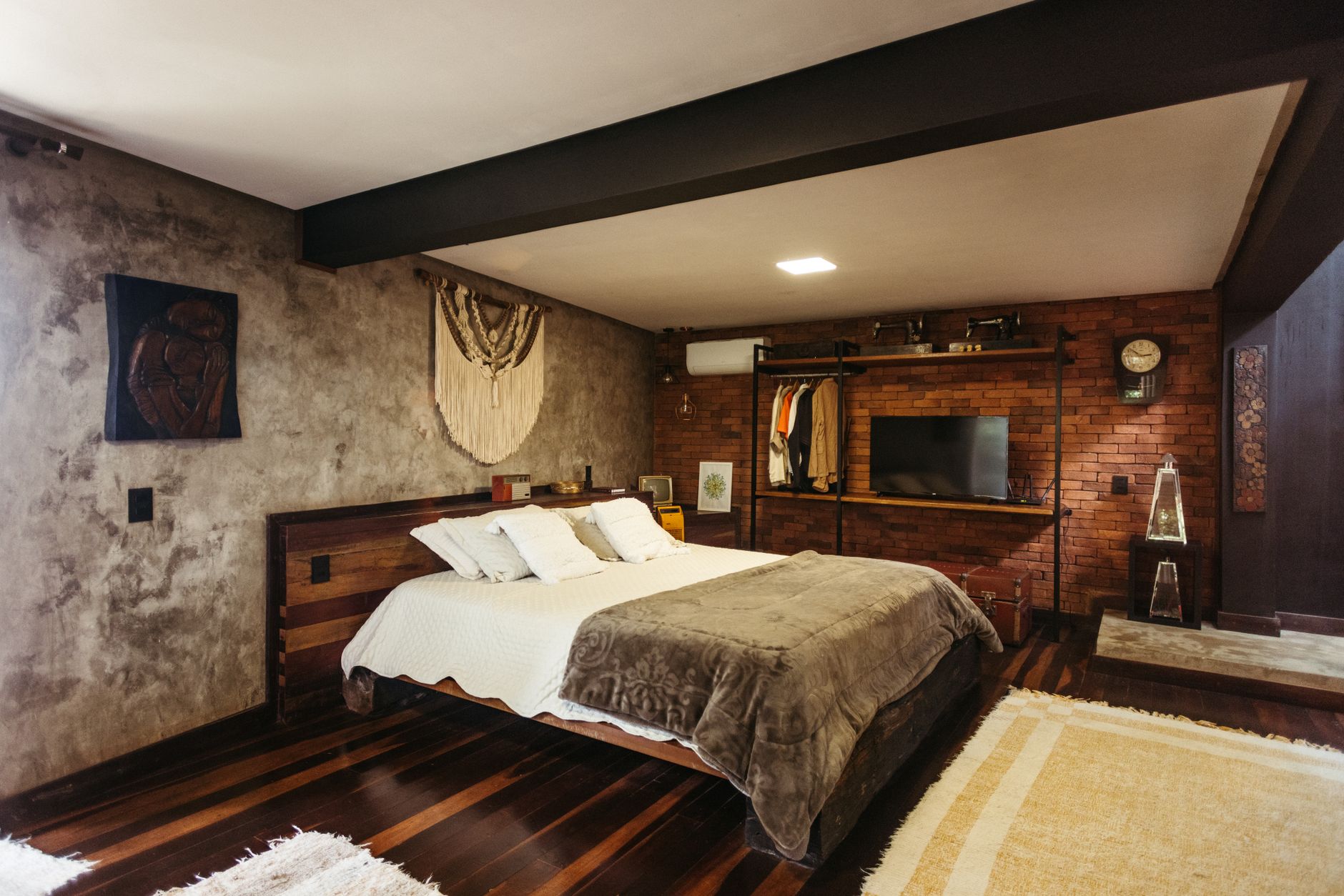
Accommodation quality varies. Most homestays offer clean rooms with basic furnishings—a bed, perhaps a small table, attached or shared bathroom with bucket or shower facilities. WiFi is inconsistent; mobile signal exists but may be patchy depending on your network. Hot water typically arrives via buckets heated in the kitchen, or occasionally a geyser. Electricity is reliable. Rooms remain cool year-round due to altitude and the dense canopy around properties, so fans are usually sufficient, though a light jacket helps for mornings and evenings especially during monsoon.
Meals are substantial and served at set times—breakfast around 8am, lunch around 1pm, dinner around 7.30pm. You eat what's prepared that day; there's no menu selection. Dietary restrictions can usually be accommodated with advance notice, though vegetarian-only options may be limited since Kodava cooking includes meat freely. Tea and coffee are available throughout the day.
Cost typically ranges from ₹1,200 to ₹2,500 per night for a basic double room with meals included, significantly cheaper than hill resort stays but reflecting the simpler standard. Some homestays charge for meals separately if you prefer to source your own food, though few visitors do.
When to visit Halase
The best visiting window is October through March. October and November catch the tail end of monsoon (fewer guests, lush green) and coincide with coffee harvest, offering genuine activity and bustle on the estates. December to February brings clear skies, bright mornings, and cool afternoons—ideal trekking weather and popular with domestic tourists. March is warm but still pleasant, and prices drop as peak season ends.
Monsoon (June to September) brings heavy rainfall, lush landscape, and minimal other visitors; some homestays remain open, offering peaceful solitude but with transport challenges and few activities. Summer (April-May) is hot and often quiet, with some homestays closing temporarily.
Practical details for visiting
Reach Halase via Chikmagalur: travel to Chikmagalur town first (either by bus from Bangalore or Hassan), then arrange a taxi or auto to Halase (roughly 45 minutes, ₹400-600 one-way). Most homestays arrange this once you've booked. Confirm arrangements in advance; turning up without booking is impractical since there's no central booking office. You'll need to contact homestays directly via phone or email, often through word-of-mouth or travel blogs since they maintain minimal online presence.
Bring cash—ATMs are in Chikmagalur town, not Halase. Bring medicines if you take regular prescriptions; the nearest medical facility is in Chikmagalur. Bring clothes for both warmth and rain even in dry season, as mornings and evenings cool considerably. An umbrella or light rain jacket helps. If you plan walks beyond the homestay property, wear sturdy shoes; paths become muddy after rain.
Visit Chikmagalur to understand the broader region and consider pairing with town exploration or nearby treks like Mullayanagiri or Baba Budan Giri. Check best time to visit Chikmagalur for detailed seasonal advice relevant to Halase as well.
The reality of authenticity
Stays marketed as "authentic plantation experiences" deserve scrutiny. Halase homestays exist because families genuinely live and farm there, not because an operator bought land to build a tourism product. However, the presence of guests inevitably shapes what's shown and how work is presented. Hosts will be gracious and often go out of their way to explain processes; some work rhythms will shift slightly around visitor comfort. This isn't dishonesty—it's the negotiation any homestay involves. Expect genuine hospitality grounded in real livelihoods, not theme-park authenticity.
FAQs
Do I need to book in advance? Yes, absolutely. Halase has no drop-in accommodation infrastructure. Contact homestays 2-3 weeks ahead, especially during October-February. During monsoon, booking a week ahead is often sufficient.
Can I visit just for a day trip from Chikmagalur? Technically yes, but it defeats the purpose. The value emerges from staying overnight, waking early, and moving at plantation pace. Day-trippers rarely find homestays willing to host, and the drive time makes a rushed visit pointless.
What if I don't like coffee or plantations? Halase homestays aren't suited to you. Consider Chikmagalur town accommodation instead, which offers restaurants, shops, and attractions beyond agriculture.
Is it safe to stay alone as a solo traveller? Yes. Hosts are accustomed to solo guests, and the environment is secure. Women travelling alone report feeling safe; homestay hosts typically provide helpful orientation and can advise on safe local movement.