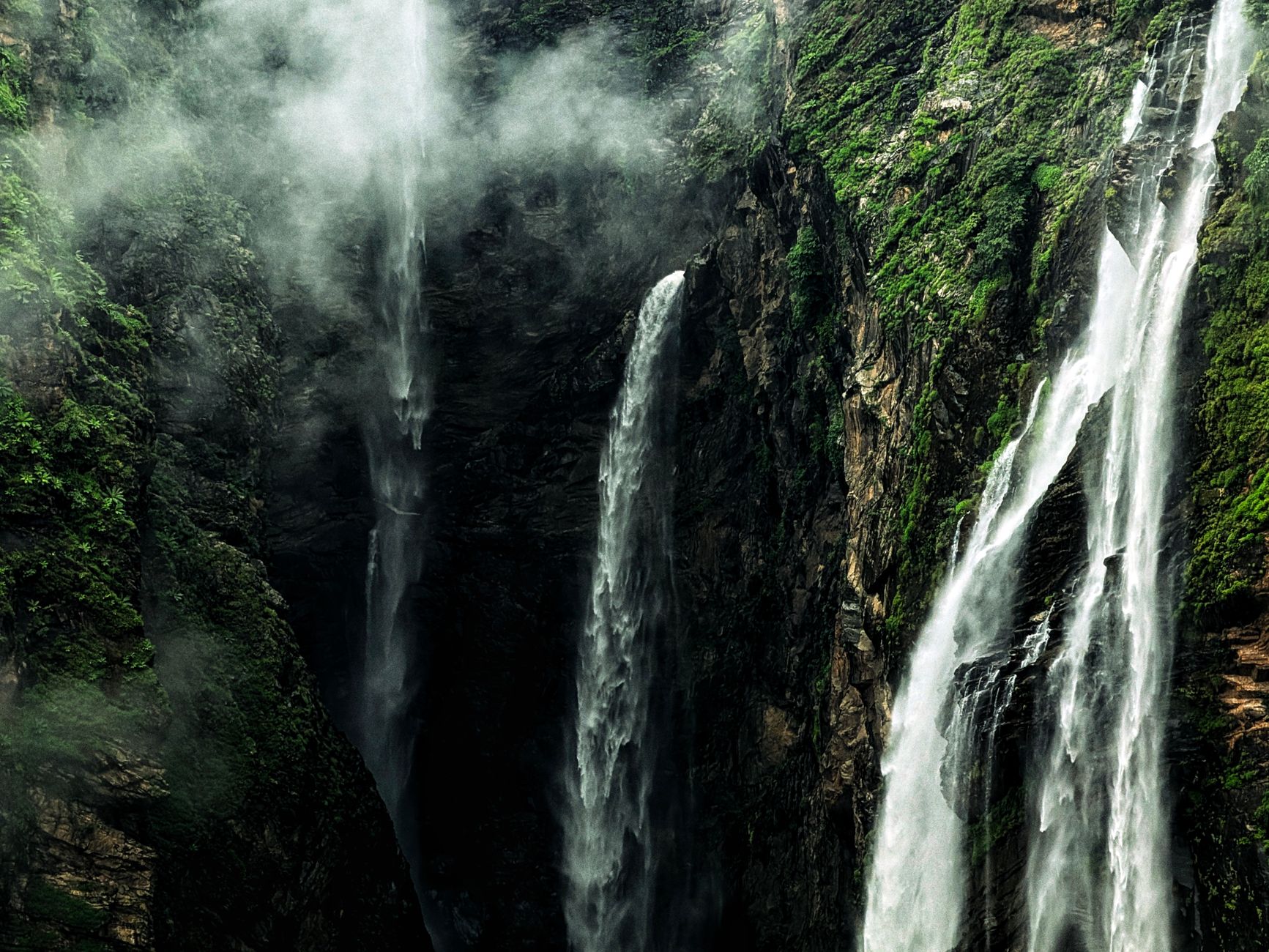
Hadlu Waterfalls Sakleshpur: A Local's Guide to Visiting
Hadlu Waterfalls sits roughly 6 kilometres from Sakleshpur town, accessed via a trek that winds through coffee estates and deciduous forest typical of the Western Ghats' mid-altitude zone. The waterfall flows year-round but reaches its most impressive volume between June and October, when the monsoon feeds the streams running down from the ridge forests above. The trek itself isn't technically difficult—most people manage it in forty-five minutes to an hour—but the path does involve rocky sections and can turn slippery after rain, so proper footwear and attention to footing matter more than athletic ability.
What makes Hadlu different from other Sakleshpur waterfalls?
Unlike some of the more popular falls in the region, Hadlu remains relatively quiet on weekdays, partly because it requires a real trek rather than a short walk from a car park. The approach takes you through working coffee plantations where you'll often see pickers during harvest season (December to February), giving the walk a sense of passing through a living landscape rather than visiting an attraction cordoned off from daily life. The waterfall itself drops in two tiers—the upper cascade falls about 25 metres onto a rocky pool, and below that, water rushes down another section into a larger basin where swimming is possible during monsoon months, though the current can be strong.
The forest around the falls holds shade-loving plants—wild ginger, ferns, and small palms—and if you're quiet during early morning visits, you might spot the occasional sambar or hear the calls of the Malabar pied hornbill moving through the canopy.
Related: Murudeshwar Hotels: Where to Stay on Karnataka's Sacred Coast
Related: Hotel Rooms in Coorg Karnataka: Types, Booking Tips & What to Expect
Related: Kalaburagi with Family: Stays and Things to Do
When should you actually visit?
Monsoon months (June to September) bring the most water and lush vegetation, but the path becomes genuinely slippery and sometimes waterlogged; this suits experienced trekkers comfortable with muddy conditions. October and November offer a middle ground—good water flow, clearer skies, and safer footing. December through February means lower water volume but more reliable weather and easier trekking, though mornings can be chilly enough to warrant a light jacket. March to May sees minimal water and harsh midday heat on exposed sections of the path, making it the least appealing season.
Weekday visits in any season attract fewer people than weekends, and an early start (before 8 a.m.) helps you reach the falls while light is still soft and other visitors haven't yet arrived.
How to reach Hadlu from Sakleshpur town
The trek typically begins from Hadlu village, reachable by local bus or auto-rickshaw from Sakleshpur town centre (the journey takes twenty to thirty minutes and costs minimal fare). You'll want to ask your auto driver to drop you at the recognised starting point—locals and small signboards mark it, though it's worth noting that the signage isn't always obvious to first-time visitors. A few tea shops near the trailhead sell water and basic snacks, and the locals who gather there can point you onto the correct path if you're uncertain.
The route follows a combination of dirt paths and sections of the coffee estate tracks; the trail is marked informally with paint blazes on trees and rocks, though these can be faint in places. Most walkers find the path straightforward, but having downloaded offline maps or hiring a local guide (available through guesthouses in Sakleshpur) removes any navigational ambiguity and adds genuine local knowledge about the forest and its seasonal rhythms.
What to bring and practical considerations
Water is essential—carry at least two litres per person, especially during warmer months. Sturdy, water-resistant trekking shoes with good grip prevent slips on wet rock and root-studded sections. A dry bag or waterproof cover protects phones and valuables, since the path crosses small streams and spray from the falls can reach you if you venture onto the rocks below the cascade. Sun protection—hat, sunscreen—matters more on the open coffee estate sections than in shaded forest.
During monsoon, leeches are present; wearing long socks and tucking trousers into boots helps, and salt or mosquito repellent can deter them if they do attach. Swimming at the base of the falls is possible but only in post-monsoon months when water volume has stabilized; the current during heavy flow can be dangerous, and there's no formal lifeguard presence.
The total experience—walk from Sakleshpur town, trek to the falls, time at the pool, return journey—typically takes four to five hours, so plan accordingly and ensure you're back in town before dusk, especially if you're unfamiliar with the area.
Comparing Hadlu to nearby waterfalls
Sakleshpur and its surrounds hold several waterfall options. Jhari Falls, roughly 12 kilometres away, is more accessible by vehicle and attracts more visitors, with a shorter walk to the cascade; it's ideal if you want a waterfall experience with less trekking commitment. Mallaalli Falls requires a longer, more challenging trek through dense forest and rewards determined walkers with a more secluded setting and a higher drop. Hadlu sits comfortably in the middle—enough of a trek to feel purposeful and relatively quiet, but not so demanding that you need specialist fitness or experience.
For visitors specifically drawn to trekking and forest atmosphere over ease of access, Hadlu offers better walking than Jhari but remains more straightforward than Mallaalli, making it a sensible choice for those with moderate fitness and a few hours to spare.
Understanding the landscape and local context
The broader Sakleshpur region sits at a transitional zone where the Western Ghats' elevation rises sharply, creating a climate and ecology distinct from the lowlands. Coffee cultivation transformed this landscape significantly over the past century and a half; many of the paths you walk now were originally ways through or between estates rather than formal trails. This history means the walk connects you visually and practically to the region's economic and social reality—something often absent from more touristic waterfall destinations.
Local guides, many of whom grew up working these estates or walking these forests, often share knowledge about which plants have medicinal uses, how the water systems feed downstream villages, and how the forest has changed with seasons and decades. These conversations add genuine texture to the experience and support local livelihoods directly.
Nearby experiences worth combining
Sakleshpur town itself holds interest—the market is worth a browse for spices and local produce, and several coffee estates offer informal farm walks where you can understand how the landscape you've just trekked through actually functions economically. The drive to and from Hadlu passes through visibly steep terrain; if you're visiting by hired vehicle or with a driver, these vistas alone justify the journey.
Visit our guides to best time to visit Sakleshpur and things to do in Sakleshpur for broader context on combining Hadlu with other activities in the area.
FAQs
Is the trek to Hadlu Falls suitable for children? Children aged eight and above, reasonably comfortable with walking and stairs, typically manage the trek without issue; younger children find it challenging, particularly the rocky sections and stream crossings. Parent-led pacing matters more than age. Carrying very small children isn't practical on the uneven path.
Do I need a guide? No formal permit or guide is required, though the path can be unclear in sections, especially after heavy rain. A local guide costs modest money and eliminates navigational uncertainty whilst providing genuine local knowledge. It's worthwhile if you're visiting alone or unfamiliar with forest trekking.
Can I swim in the waterfall pool? Yes, during October onwards, when water levels have stabilised. During monsoon (June–September), currents are too strong and the flow can be dangerous. Always assess conditions yourself and avoid diving.
What's the best time of day to visit? Early morning (6–8 a.m.) offers the quietest atmosphere, softest light, and coolest temperatures. Midday brings heat and more visitors; late afternoon risks returning to town after dark if the walk takes longer than expected.