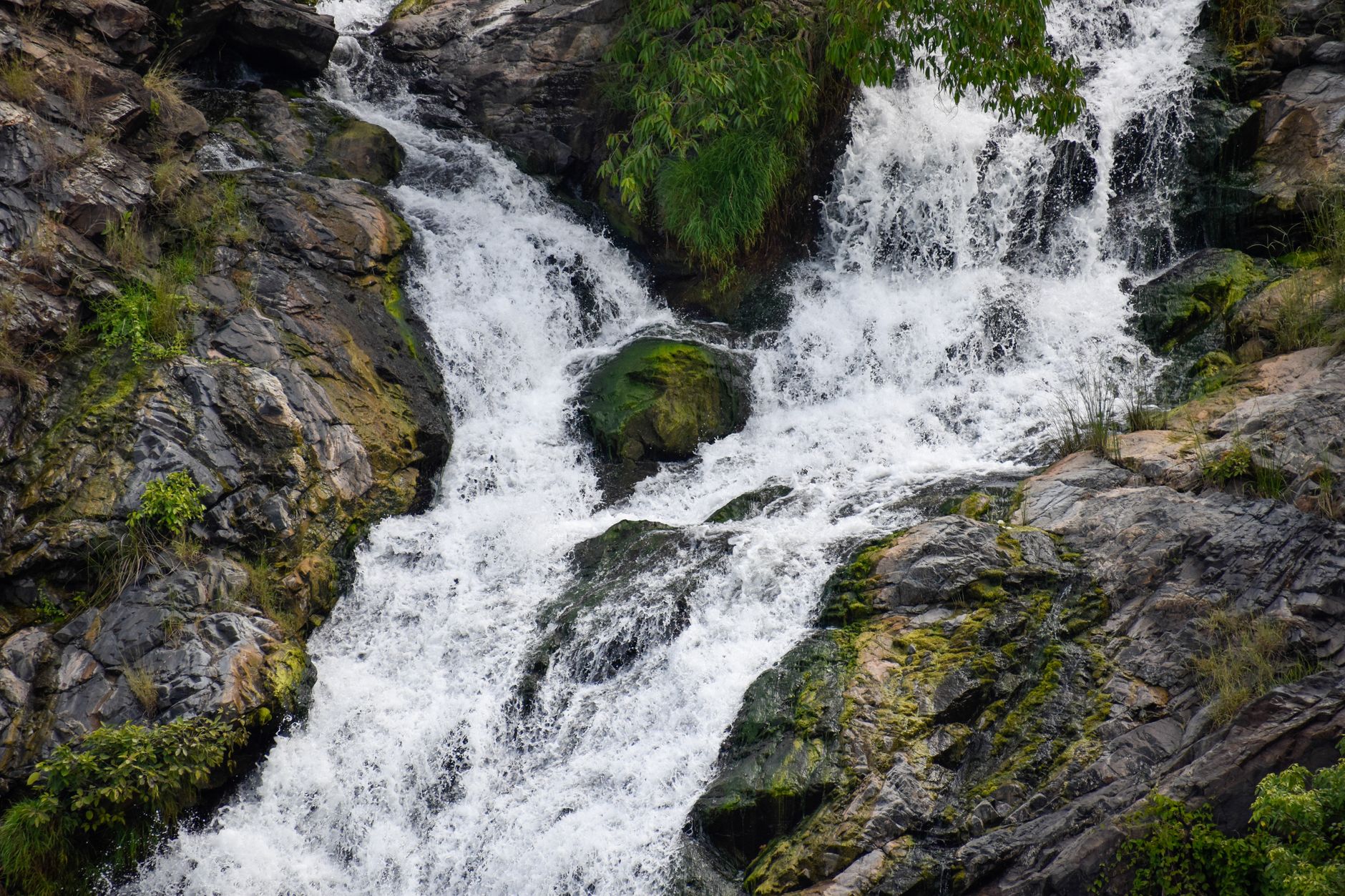
Hadlu Waterfalls sits roughly 8 kilometres from Sakleshpur town, accessible via a forested trek that typically takes two to three hours return, depending on fitness and pace. The falls drop in tiers through shola forest, creating a landscape that feels intentionally quiet compared to the busier waterfalls elsewhere in the Western Ghats. The main pool is deep enough to wade and swim, though currents strengthen significantly during monsoon months.
What makes Hadlu different from other Sakleshpur waterfalls?
Sakleshpur hosts several cascade systems—Buttermilk Falls is nearer town and heavily visited, while Hadlu remains more forested and less crowded. The trek to Hadlu follows working coffee plantation paths initially, which grounds the experience in actual landscape rather than maintained tourist infrastructure. The waterfall itself is modest in volume even at peak season, but the surrounding ecosystem of coffee shade trees, wild ferns, and occasional bird activity creates atmosphere that larger falls sometimes lack. The water quality is notably cleaner than downstream areas, making this a genuine bathing spot rather than a viewing-only experience.
When should you actually visit?
Monsoon (June to September) brings the fullest water volume but creates slippery terrain, leeches in the undergrowth, and limited visibility due to mist and cloud cover. The forest becomes luminous and the falls roar with genuine power, though the trek demands careful footing and waterproof packs. If you visit during monsoon, begin early, wear proper hiking shoes with grip, and bring leech repellent—this isn't optional, and salt or insect repellent containing DEET work better than commercial leech removers.
Related: Belur and Halebidu Day Trip: Complete Hoysala Temples Guide
Related: Madikeri to Golden Temple Distance & Travel Guide
Related: Belur to Bangalore Distance by Road: Route & Travel Guide
Post-monsoon (October to November) offers ideal conditions: water remains substantial from stored rainfall, paths dry enough to walk safely, and the forest canopy has regrown fully. Temperatures stay moderate, and visibility allows photography without the constant drizzle. December through January brings clear skies and cooler mornings, though water volume drops noticeably and the pool becomes shallow. This season suits visitors wanting an easier trek, but the waterfalls experience diminishes.
Summer (February to May) sees the stream reduced to a trickle in some sections, with dustier paths and occasional brush fires in distant plantation areas. Afternoons become hot on exposed sections, and the pool may not be worth the trek effort. Avoid late April and May entirely—heat, minimal water, and increased insect activity combine poorly.
How to reach Hadlu Waterfalls
From Sakleshpur town, head toward Mudigere road and ask locally for "Hadlu waterfall trek starting point"—signposting is minimal, and GPS coordinates (13.8278° N, 75.6667° E) help, though mobile signal becomes unreliable within a few kilometres. Auto-rickshaws charge ₹200–300 to the trailhead depending on negotiation. The trek follows a mix of coffee estate roads, forest paths, and stream beds. In dry season, follow the main path consistently; during monsoon, streams may swell and create alternate routes that seem tempting but lead away from the falls. Stay with the primary trail.
The first 45 minutes moves through working coffee plantations where owners typically don't object to passing trekkers, though it's respectful to acknowledge them. The path then narrows into genuine forest with canopy cover that provides genuine shade. The descent steepens in the final 20 minutes, with sections of rock scrambling and tree roots providing handholds. The final drop into the pool area involves a short climb down using ropes or natural holds—don't attempt this section alone or when exhausted.
What to bring and how to prepare
Wear shoes with genuine grip (trainers with worn treads are insufficient); hiking boots outperform everything else on wet rock. A dry bag containing a change of clothes, phone in waterproof case, and first-aid essentials is practical. Bring more water than you think necessary—dehydration occurs faster on forested climbs, and the stream water, whilst cleaner than downstream sources, carries giardia risk. Electrolyte tablets or coconut water powder help on warm days.
Physical fitness matters genuinely: this isn't a casual walk. Reasonable cardiovascular fitness and basic climbing confidence help substantially. The descent is steeper psychologically than physically—fear of heights creates more difficulty than actual danger. Descend slowly, use handholds, and never rush the final section.
Apply sunscreen before departure, not at the trailhead—the early morning walk through plantations offers direct sun exposure. Insect repellent containing DEET or picaridin offers reasonable protection against mosquitoes and biting flies, though during monsoon, leeches are the primary concern.
Seasonal water conditions and safety
During monsoon, the pool deepens to 6–8 feet in the main basin, with undercurrents flowing toward the outlet stream. Never swim alone or in groups of three or fewer—drowning risk increases substantially when currents strengthen. The rocks surrounding the pool become extremely slippery; entering the water via the designated points (typically the lower pool edges) rather than diving from rocks prevents serious injury.
In post-monsoon, the pool stabilises at 4–5 feet depth, currents slow noticeably, and swimming becomes genuinely safe for reasonable swimmers. Summer pools may be only 2–3 feet deep, with static water that becomes slightly stagnant—still swimmable, but less appealing for extended bathing.
No lifeguards monitor the falls, and mobile signal is absent or nearly absent at the pool area. Injuries require a challenging stretcher carry out through forested terrain—this takes experienced trekkers 45 minutes to an hour. Treat the falls with proportionate caution, not paralyzing fear, but genuine respect for water dynamics and terrain.
Timing your visit within the day
Begin the trek between 6:30 and 7:00 AM. This allows completion by early afternoon, avoiding afternoon thunderstorms during monsoon (June–September storms typically form 2–4 PM) and providing maximum daylight for the descent. Starting after 8 AM risks returning to Sakleshpur town after dark if unexpected delays occur. Allow 45 minutes at the falls—time for swimming, eating a packed snack, and photographs—before beginning the return journey.
The descent takes slightly longer than ascent due to concentration required on uneven footing. Budget 2.5 to 3 hours for the return, particularly if legs feel fatigued.
Practical culture and etiquette points
The surrounding landscape belongs to working coffee estates; walkers are tolerated, not encouraged. Leave no waste at the falls—carry out everything you bring, including food waste and tissue. Some trekkers leave coins or offerings at the base, but this isn't expected.
Particular respect applies during monsoon—local plantation workers and guides consider the area more hazardous during heavy rainfall and appreciate visitors avoiding peak rainy days when rescue becomes genuinely difficult.
Visit Sakleshpur outside the immediate waterfall experience to understand the region's coffee culture and hill-station history properly. Check best times to visit Sakleshpur for seasonal context beyond just waterfall conditions. Sakleshpur's broader attractions include plantation stays and walking routes through heritage estates.
FAQ
Is Hadlu Waterfalls safe to visit solo? Solo visits are possible but not ideal, particularly for descent and swimming sections. Trekking with at least one companion improves safety substantially, allowing for assistance if minor injuries occur. During monsoon, solo visits carry genuinely elevated risk—the forest becomes disorienting in mist, and rescue becomes complicated.
Do I need professional guides? The main path is reasonably clear if you follow the primary trail consistently. GPS and clear directions reduce guide necessity, though local guides from Sakleshpur (typically ₹500–800 per person for groups) prevent route mistakes and offer context about plantation history and forest ecology. Guides are practically essential during heavy monsoon when stream flooding creates alternate paths.
What's the actual difficulty level? Moderate fitness allows completion without struggle. The trek involves sustained inclines and technical scrambling on the descent, but nothing requiring mountaineering experience. Poor knees or limited cardiovascular fitness make the 6-kilometre round-trip plus elevation change (approximately 300 metres) genuinely taxing.
Can families with children visit? Children aged 8 and above with reasonable fitness manage the trek with breaks. Younger children find the distance and technical sections challenging. The pool is safe for supervised children during post-monsoon and summer seasons when currents are minimal.