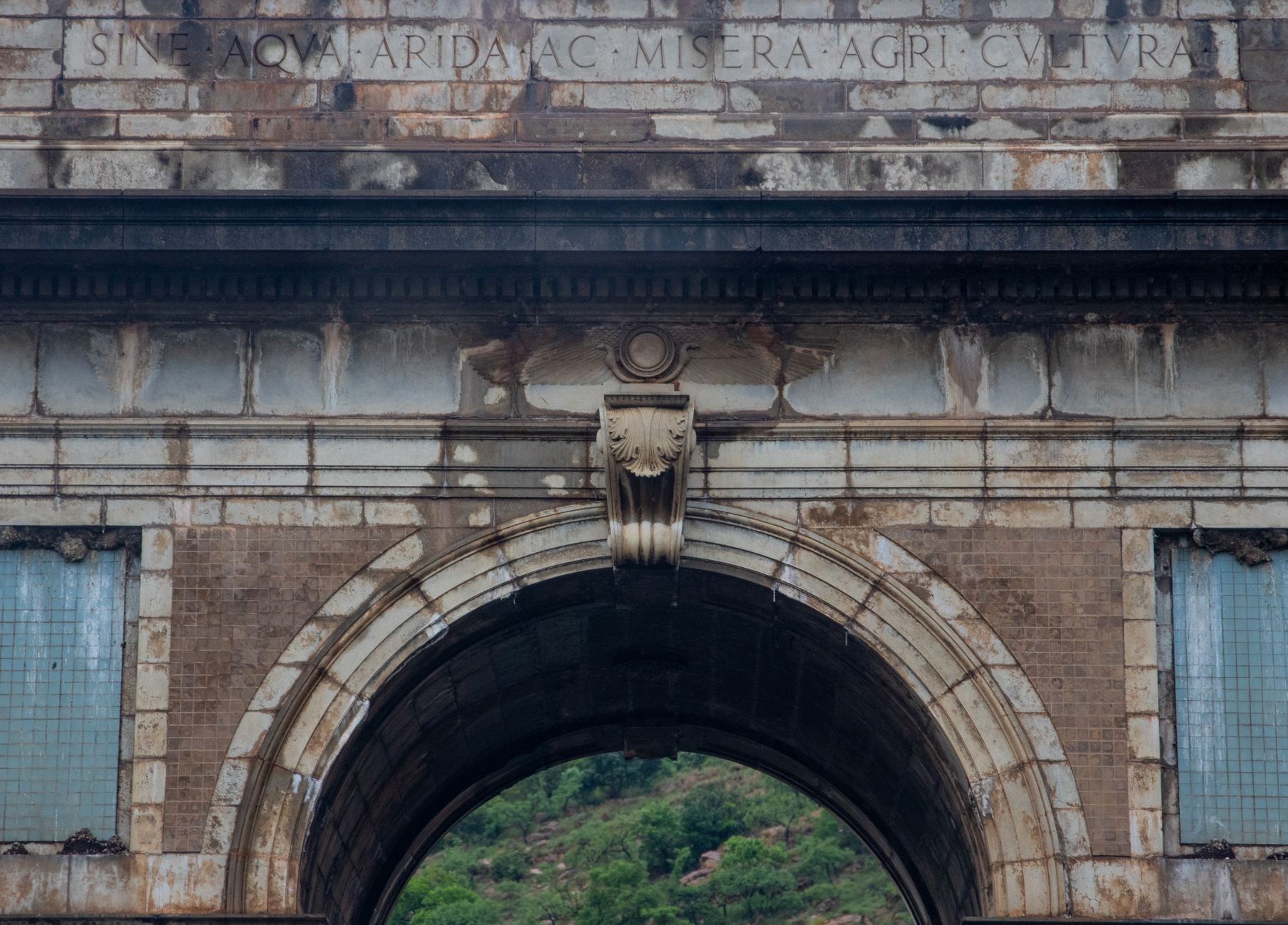
What's the best gateway to Chikmagalur?
Chikmagalur's main gateway is via Bangalore (around 240 km south), a 5–6 hour drive through the Deccan plateau, which remains the most accessible entry for domestic and international visitors. Alternatively, Mangalore (180 km west) offers a scenic coastal-to-highlands route, whilst Chikmagalur town itself serves as the cultural and logistical hub once you arrive. The choice depends on your origin and seasonal conditions.
Why does the gateway matter?
Your entry point to Chikmagalur affects more than convenience—it shapes your first sensory encounter with the region. Arriving from Bangalore, you watch the landscape shift gradually from urban sprawl to laterite ridges and coffee-heavy valleys. The Mangalore route brings salt-tinged air that slowly gives way to rich soil and mist. Choosing wisely means avoiding peak traffic, catching the best light through the ghats, and sometimes arriving early enough to catch the evening shift of birds returning to the plantations.
Gateway selection also influences your accommodation timing and ability to explore immediately. A late arrival from Bangalore might leave you stumbling into Chikmagalur town in darkness; the Mangalore route, if you're prepared, lands you at lower elevations where you can spend the first night acclimatising before climbing into the estate regions.
Related: Mysore Dasara Ticket: How to Book & Visit Guide
Related: Madikeri to Golden Temple Distance & Travel Guide
Related: Hampi Sunrise and Sunset Points Ranked: Where to Go and When
Which gateway route should you choose?
Bangalore to Chikmagalur: The direct spine
This is the highway backbone. The NH44 to NH48 route is well-maintained but heavily trafficked, especially on weekends and holidays. Summer (March–May) offers the fastest drives; monsoon rains (June–September) can slow you significantly, though the ghats turn emerald and mist clings to every bend. Winter and early spring are ideal—clear visibility, manageable traffic if you depart early (before 6 a.m.), and the coffee estates reaching peak bloom.
The drive itself offers little sensory reward until you near Chikmagalur; most travellers stop at Nelamangala or Tumkur for fuel and a meal. The advantage is simplicity: direct, reliable, and familiar to Karnataka's road networks. Expect tolls and petrol costs to mount; budget accordingly for a fuel stop either direction.
Mangalore to Chikmagalur: The scenic climb
This route rewards the patient traveller. From Mangalore (or the Konkan coast), you rise through rubber and spice plantations, then into the Western Ghats proper. The route follows NH66 inland, then winds toward Chikmagalur via Bantwal or Mudigere—roughly 180 km, but with multiple scenic pauses built in.
Monsoon (June–September) transforms this route into a botanical theatre: waterfalls cascade across the road, ferns explode from every crevice, and the air tastes of wet earth and cardamom. Dry season (January–May) is clearer but less dramatic; the altitude climb still feels like a genuine transition into coffee country. This route suits early risers; leave Mangalore by 5 a.m. and you'll reach Chikmagalur by early afternoon, avoiding the worst afternoon heat and traffic.
The Mangalore gateway also connects you to coastal culture—you might spend a night in Mangalore, taste fresh seafood, and arrive in Chikmagalur already attuned to the region's agricultural rhythm.
Chikmagalur town: The internal hub
Once you've chosen your external gateway, treat Chikmagalur town as your distribution point. It's where roads diverge toward Baba Budan Giri, Mullayanagiri, Kemmanagundi, and the scattered estates. The town itself is modest—a market, petrol pumps, basic restaurants, and hotels—but it's essential infrastructure. Arrive here, orient yourself, sort out local directions or hire a driver, then venture into the coffee estates, forests, and peaks.
How do seasons affect your gateway choice?
Monsoon (June–September) makes the Bangalore route slower but manages it; the Mangalore route becomes genuinely risky if you dislike landslide closures. Dry season (October–May) favours both routes equally, though the Mangalore route's lower elevation portions can feel hot in March–May. If you're arriving during monsoon for the greenery and fewer crowds, depart Bangalore before dawn, ensure your vehicle is reliable, and book accommodation in advance—roads may close.
Winter (December–February) is gateway perfection: cool, clear, and swift. Both routes are pleasant. Early summer (March–May) is hot but fast; you'll see the estates at their driest but landscapes most sculpted.
What to expect at each gateway?
Bangalore gateway practicalities
Most international flights land at Bangalore International Airport. Rental cars are available throughout the city; negotiate rates if you're hiring for multiple days. Petrol is consistently priced; budget around 8–10 litres for the 240 km journey at current (August 2026) rates. Navigation apps (Google Maps, offline download essential) work reliably. Tolls vary; keep small change. The road is busiest Friday evenings through Sunday afternoon.
Mangalore gateway practicalities
Mangalore International Airport serves coastal arrivals; the city also has a railway station if you're coming from the south. The 180 km climb toward Chikmagalur takes longer than the Bangalore route due to ghat roads, but vehicle hire is straightforward. The route passes through Mudigere—a small market town—where you can stop for coffee or light meals. Mobile signal can drop in ghats; download offline maps. Landslide warnings are issued during peak monsoon; listen to local advice.
Which gateway suits your itinerary?
If you're on a tight weekend (Bangalore-based traveller, 2–3 days), use Bangalore: fastest turnaround, minimal exploration overhead. If you're spending 4+ days and want scenic immersion, take Mangalore in and Bangalore out, or vice versa. If you're combining Chikmagalur with the Konkan coast or Coorg, build your trip around geography: coastal routes for coast-seekers, Bangalore connections for plateau and eastern approaches.
First-time visitors to Chikmagalur often worry they'll miss the 'real' region if they rush from the gateway. The truth is simpler: any gateway lands you among coffee estates, forests, and hills. Your first night's location and your willingness to hire a local guide matter far more than which road you took.
FAQ
Q: Is the Bangalore–Chikmagalur road safe at night? A: It's well-lit near towns but becomes unlit in forest sections. Avoid night driving; roads are busy enough that accident risk rises. Arrive before dark, or stay overnight in a way-station town like Tumkur.
Q: Can I reach Chikmagalur by train? A: The nearest railway station is Chikmagalur Junction, but services are infrequent and connections poor. Most visitors hire cars or use private coaches from Bangalore or Mangalore.
Q: What if I'm coming from Coorg? A: From Coorg, you'd drive northeast via Hassan and then south to Chikmagalur—a scenic but long loop. It's rarely the 'gateway' route; instead, it's an onward journey best planned with 2+ days.
Q: Do monsoon roads to Chikmagalur close completely? A: Rarely. Roads remain passable, but landslide delays of 2–4 hours are common June–August. Travel early, expect delays, and allow extra time. Recent years show improved ghat maintenance; check local traffic updates before departure.