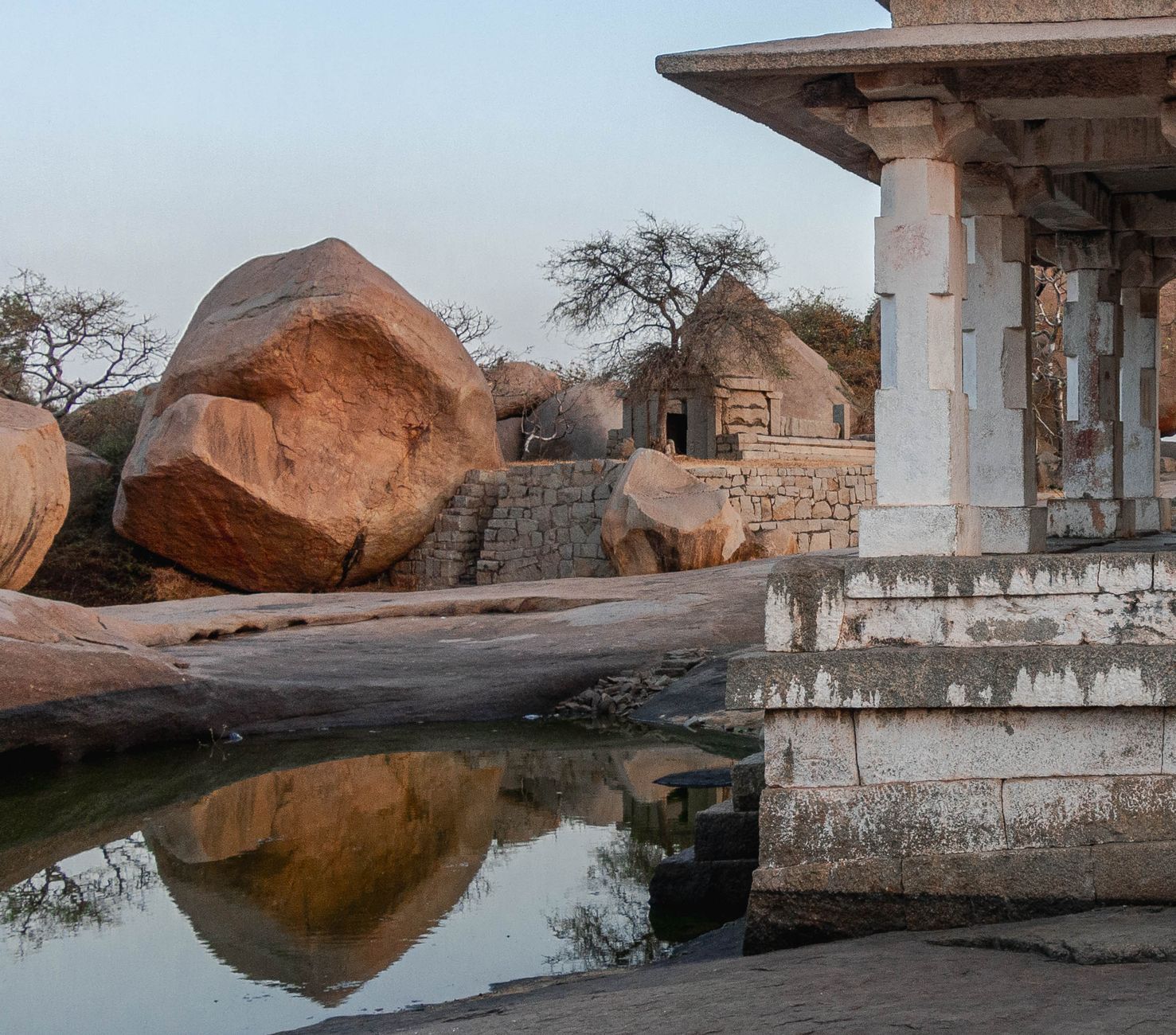
Evolve Back Hampi: Heritage Luxury in Karnataka's Ancient Kingdom
Evolve Back's Hampi properties represent a thoughtful approach to heritage tourism—staying within restored historical structures whilst supporting conservation of the UNESCO World Heritage Site. Rather than generic resort experiences, these hotels function as cultural gateways, with architecture, narratives, and service designed to contextualise the ancient kingdom surrounding them.
What is Evolve Back Hampi?
Evolve Back operates heritage-focused luxury hotels designed to be integral to the Hampi experience rather than separate from it. The properties occupy restored buildings within or adjacent to the protected archaeological zone, maintaining architectural integrity whilst offering contemporary amenities. Each location is positioned to provide proximity to specific sites—temples, bazaars, riverfront monuments—making exploration convenient without requiring lengthy vehicle transfers.
Unlike standard hotels, these properties employ heritage narrators, offer contextualised meal experiences using regional ingredients, and integrate into local conservation efforts. The model works because Hampi's appeal isn't comfort alone; it's understanding what you're seeing across the riverbanks and valleys.
Related: Hotels in Badami: Where to Stay in Karnataka's Cave Temple Capital
See also: How to Reach Hampi from Bangalore: Train, Bus and Drive
See also: Hubballi with Family: Best Stays and Things to Do
Location and Positioning Within Hampi
Hampi's archaeological landscape sprawls across roughly 26 square kilometres, divided by the Tungabhadra River into distinct zones. Evolve Back properties are strategically positioned rather than centralised—this matters significantly for your visit structure.
Properties operate on both sides of the river. The southern bank hosts the principal monument clusters: the Royal Enclosure, temple complexes, and the famous bazaar ruins. The northern bank, quieter and more agricultural, provides a retreat perspective and access to cave temples and less-trafficked viewpoints.
This distribution means you won't experience Evolve Back as a resort town within Hampi; instead, you'll base yourself within the heritage zone itself, waking to monument views and exploring on foot or bicycle. The positioning requires accepting that Hampi isn't a conventional destination—solitude alternates with tourist clusters depending on timing and location choices.
Heritage Properties: What to Expect
Evolve Back Hampi properties occupy restored havelis (traditional mansions), colonial-era buildings, or purpose-built structures designed to complement rather than compete with surrounding monuments. Architectural details—exposed stone, traditional courtyard layouts, pitched roofs—reflect local heritage rather than international luxury templates.
Rooms maintain heritage character whilst providing reliable electricity, hot water, and modern beds. This balance means accepting that rooms are intimate rather than expansive, with windows positioned toward courtyards or gardens rather than panoramic vistas. The trade-off is authenticity—you're sleeping in historically coherent spaces, not contemporary interpretations of heritage style.
Common areas function as interpretive spaces: libraries with Vijayanagara history, walls displaying archaeological information, staff trained to explain monument connections. Meals centre on Kannada cuisine using regional produce—this isn't fusion dining but rather authentic preparation methods and ingredient combinations that define how people ate during the empire period.
Comparing Evolve Back to Alternative Stays
Hampi accommodation divides into three categories:
Evolve Back heritage properties: Premium pricing (₹12,000–18,000+ per night depending on season and property). Best for: travellers prioritising cultural immersion, those with 3+ days, visitors interested in conservation narratives.
Mid-range hotels in Hospet town: ₹3,000–6,000 nightly. Conventional comfort but requires 13-km daily commute to monument zones. Best for: budget-conscious visitors, those with limited time, travellers uncomfortable with heritage accommodation compromises.
Guesthouses and budget stays in Hampi village: ₹800–2,500 nightly. Basic amenities, local atmosphere, minimal service infrastructure. Best for: backpackers, extended stays, those seeking direct community engagement.
Evolve Back properties justify premium pricing through location, conservation contribution, interpretive programming, and service quality. They're not better than alternatives—they're different. A 2-night Evolve Back stay suits first-time Hampi visitors or those with focused monument interests. Budget stays work for extended explorations. Hospet hotels suit visitors treating Hampi as a day-trip addition.
Planning a Stay: Practical Considerations
Booking window: Properties fill during October–February (cool season). Book 2–3 months ahead for peak periods (November–December). Monsoon months (June–September) offer availability and lower rates but variable weather; summer (March–May) is hot and crowded.
Stay duration: Two nights minimum is sensible for Evolve Back experiences—one night allows basic monument viewing; three nights enables deeper exploration including river crossings, lesser-known temples, and evening bazaar walks. Most guests spend 2–4 nights.
Access and transfers: Hampi lacks commercial air service. Nearest airport is Belgaum (around 150 km). Train services run to Hospet railway station (13 km from monument zones). Road access from Bangalore takes 6–7 hours. Evolve Back properties arrange transfers; confirm arrangements when booking.
Monument entry: UNESCO site entry is ₹500 (Indian nationals ₹40), valid across all zones for two days. Separate temple entry fees apply for active worship sites. Purchase passes at the main gate near the bazaar ruins; they're not available at properties.
What Makes These Properties Distinct
Three elements differentiate Evolve Back from luxury hotels elsewhere in Karnataka:
Conservation alignment: Properties operate under heritage conservation partnerships. Building maintenance respects archaeological protocols. Staff training emphasises site stewardship. Guest materials explain conservation challenges—this isn't marketing; it's genuine engagement with Hampi's fragility.
Narrative integration: Heritage narrators accompany meals, lead optional site walks, and field questions about architectural details, empire chronology, and ongoing excavations. This transforms meals from dining to learning; it's particularly valuable for visiting before exploring sites, as context dramatically improves understanding.
Architectural coherence: Unlike hotels styled as heritage, properties ARE heritage structures. You're not pretending to live in a haveli; you're actually inhabiting one. This matters—the experience of morning light through traditional windows, movement through courtyard spaces, evening sounds of the valley—these shape how you process Hampi.
Seasonal Considerations
October–February: Ideal conditions. Cool mornings, clear skies for monument photography, manageable exploration. Crowded; book ahead. Properties at capacity.
March–May: Hot (35–40°C typical). Morning exploration only. Properties less crowded, rates discounted. Requires heat tolerance and early starts.
June–September: Monsoon. Occasional heavy rain, overcast skies, reduced visibility from viewpoints. Landscape lush, monuments quiet, rates lowest. Suitable for contemplative visits but weather unpredictable.
Should You Book Evolve Back?
Choose Evolve Back if: you're visiting Hampi for 3+ days, you prioritise cultural context over resort amenities, you want location within the heritage zone, you're comfortable with heritage-style accommodation limitations, and you value conservation contribution.
Consider alternatives if: you prefer conventional hotel facilities, you're visiting only one day, you need modern room spaciousness, your budget is under ₹5,000 nightly, or you're uncomfortable with rustic charm trade-offs.
The fundamental distinction: Evolve Back properties are part of the Hampi experience, not separate from it. They require active engagement—walking to sites, interacting with staff, reading provided materials. If that sounds appealing, they're worth the investment.
FAQ
Q: Do I need to book far in advance? A: Yes, especially October–February. Book 8–12 weeks ahead for those months. Shoulder seasons (March–April, September) offer more availability. Weekdays are quieter than weekends year-round.
Q: Are meals included in room rates? A: Policies vary by property and booking package. Confirm whether breakfast, dinner, or all meals are included when reserving. Most properties offer meal packages for non-residents too, if you're staying elsewhere.
Q: Can I explore Hampi independently, or do I need guides? A: Independent exploration works—the site is accessible, and basic signage exists. However, context dramatically improves the experience. Properties offer guide services; independent guides are available at the monument gate too.
Q: How many days should I spend in Hampi? A: Two days covers principal monuments; three days allows deeper exploration including quieter temples and northern-bank sites; four+ days suits photography, walking, and contemplative engagement. One day is possible but feels rushed.