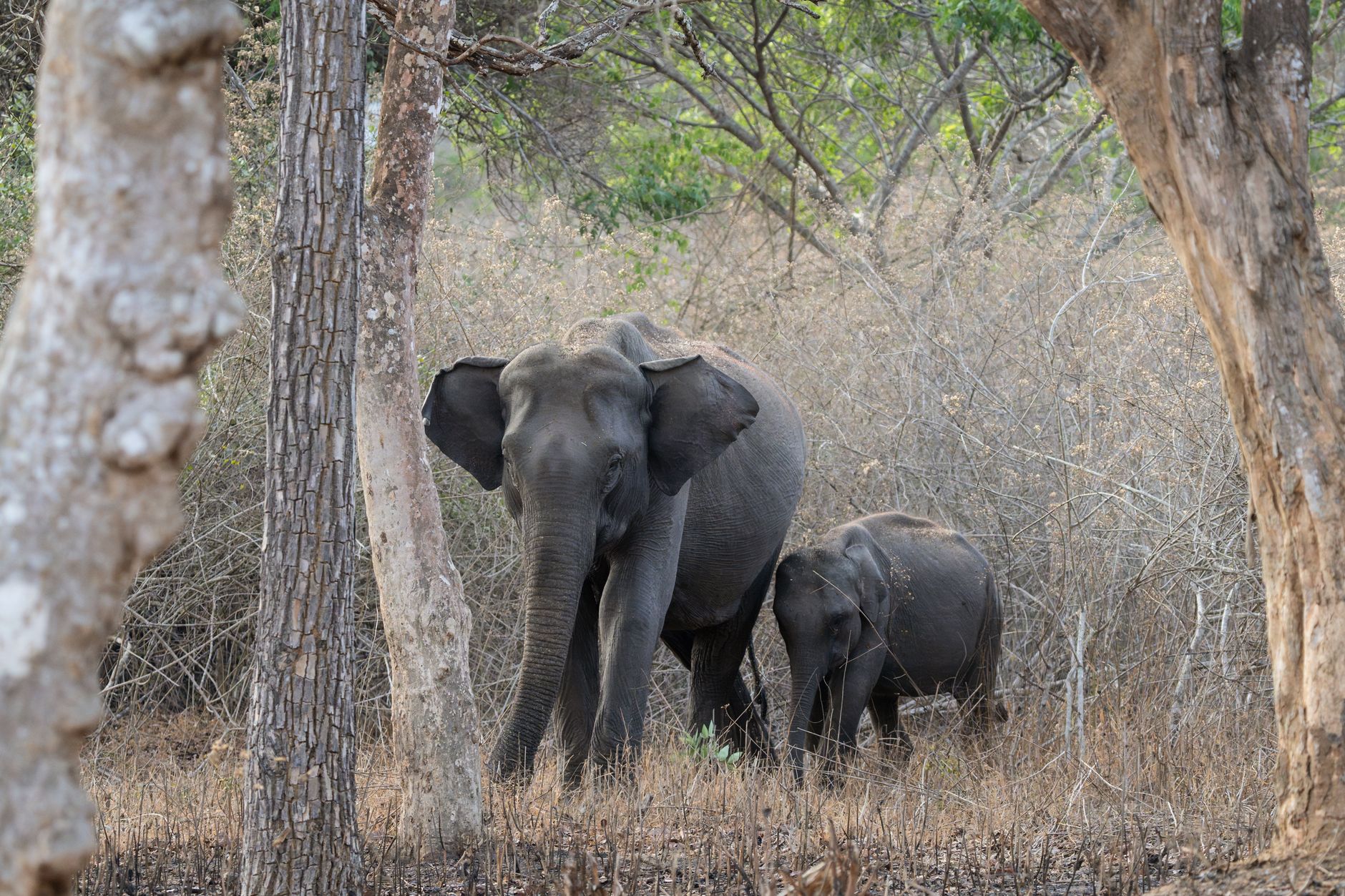
Elephant Camp Coorg Opening Hours
Most elephant camps in Coorg operate between 6am and 5pm daily, though this varies seasonally. Morning slots (6am–10am) are most popular for guided walks and mahout interactions. Afternoon sessions run 2pm–5pm but offer less wildlife activity as elephants rest during peak heat. Many camps close or reduce operations during heavy monsoon (June–August), so verify directly before planning a visit.
What are the best visiting times?
Beyond clock timings, the season matters enormously. October to May brings cooler mornings, clearer forest visibility, and active elephants. These months fill up fastest—book 2–3 weeks ahead if you're visiting during Christmas, New Year, or school holidays.
June to September sees lush, verdant landscapes after the monsoon, but camps often run skeleton schedules due to muddy terrain and elephant breeding cycles. Roads become slippery, and early morning mist can obscure views. If you visit in monsoon, expect fewer animals in sight and shorter walking routes. Afternoon thunderstorms can cancel activities without notice.
Related: Daroji Sloth Bear Sanctuary from Hampi: The Complete Visitor's Guide
See also: Mysore Palace Illumination: When to See It and Photo Tips
See also: Best Place to Stay in Coorg: Neighborhoods & Accommodation Guide
November to February is genuinely peak: crisp mornings around 18–22°C, brilliant sunlight through the canopy, and herds moving freely. Pack layers, as forest mornings are cool despite Karnataka's overall warmth.
How long should you spend at a camp?
Most visits run 2–4 hours. A typical morning includes:
- 6am arrival: Meet your mahout and guide
- 6:30–8:30am: Guided forest walk or observation from cleared areas
- 8:30–9:30am: Elephant bathing or feeding experience
- 9:30–10am: Depart
Full-day experiences (6am–5pm with lunch) cost significantly more but let you observe natural behaviour across feeding cycles and rest periods. These are excellent for photographers and serious wildlife enthusiasts.
Booking and practical considerations
Most camps require advance booking, especially for morning slots. Contact camps directly or book through tourism operators in Madikeri. Payment is typically cash on arrival, though some accept card transfers. Bring:
- Waterproof footwear (muddy terrain, especially monsoon)
- Insect repellent
- Sun protection and hat
- Camera with good zoom (keep 10+ metres from animals)
- Water bottle
Dress in neutral colours (greens, browns, greys) rather than bright clothing—it's quieter for wildlife observation and more comfortable in forest humidity.
Are there camps vs. sanctuaries to choose?
Coorg has both commercial elephant camps (run by private operators or tourism businesses) and wildlife sanctuaries like Nagarahole National Park, which has natural elephant viewing zones. Camps offer controlled, close-up experiences with bathing and feeding. Sanctuaries provide free-ranging observation in authentic habitat but less predictable sightings.
Camps operate fixed timings (6am–5pm, as noted). Sanctuaries often close gates at 6pm and require entry by midday. If wildlife photography is your goal, sanctuaries in early morning (5:30am–9am) rival camps for action and natural behaviour, though you'll see fewer elephants overall.
Monsoon vs. dry season trade-offs
Choose based on your priorities:
Monsoon (June–August): Forests burst with green, streams run clear, fewer tourists. Camps reduce hours (often 8am–4pm only), animals are less active (breeding season), visibility drops due to mist and foliage, roads muddy. Many camps temporarily close mid-July through August. Worth visiting only if you're chasing landscape photography and don't mind unpredictability.
Dry season (October–May): Reliable 6am–5pm schedules, prime wildlife movement, comfortable walking temperature, maximum camp availability. Crowds peak December–January. Book well ahead. Best sensory experience: cool morning air, birdsong clarity, and alert elephants.
Sample day itinerary
Early morning visit (recommended)
- 5:45am: Depart Madikeri for camp (20–40 mins depending on location)
- 6:15am: Arrive, meet mahout, receive safety briefing
- 6:45–8:30am: Guided forest walk or observation walk
- 8:45–9:30am: Bathing/feeding experience
- 10am: Return, breakfast at camp or nearby café
- 10:30am: Depart for Madikeri, explore town or visit plantations
Afternoon + evening
- 2pm: Check-in at camp
- 2:30–4pm: Walk or observation
- 4–5pm: Feeding/interaction
- 5:30pm onwards: Return to town, watch sunset from viewpoint (Abbey Falls nearby)
Nearby attractions to combine
While you're in Coorg, add Madikeri town (coffee shops, palace, viewpoints) or Ella in adjacent Tamil Nadu—both are 1–2 hours from major camps. Visit plantations to understand the region's coffee and spice trade. Nagarahole National Park entrance is often within 30–45 mins of camp locations.
FAQs
Q: Can I visit outside posted hours? A: Rarely. Camps keep set schedules for safety, animal welfare, and staff planning. Private arrangements (dawn raids before 6am or dusk sessions after 5pm) exist but cost 30–50% more and depend on camp policies. Always ask directly.
Q: Which camp has the longest opening hours? A: No single camp stands out universally—hours depend on ownership, season, and elephant inventory. Larger, well-funded camps near Madikeri tend to stick to 6am–5pm year-round; smaller, family-run operations flex more in monsoon. Research 2–3 camps and compare directly.
Q: Is early morning (6am) worth the early wake-up? A: Absolutely. 6am–9am is peak wildlife time—elephants are active, cooler, and you'll see herds feeding or moving. By noon, animals rest in shade. If you value sightings and photography, don't skip the dawn slot.
Q: Can I book on the same day? A: During October–May, same-day bookings often fail due to full capacity. June–September, you might secure spots with a few hours' notice. Always call ahead rather than assume availability—it saves wasted travel time.