Dubare Elephant Camp Tickets: Prices, Booking & What to Expect
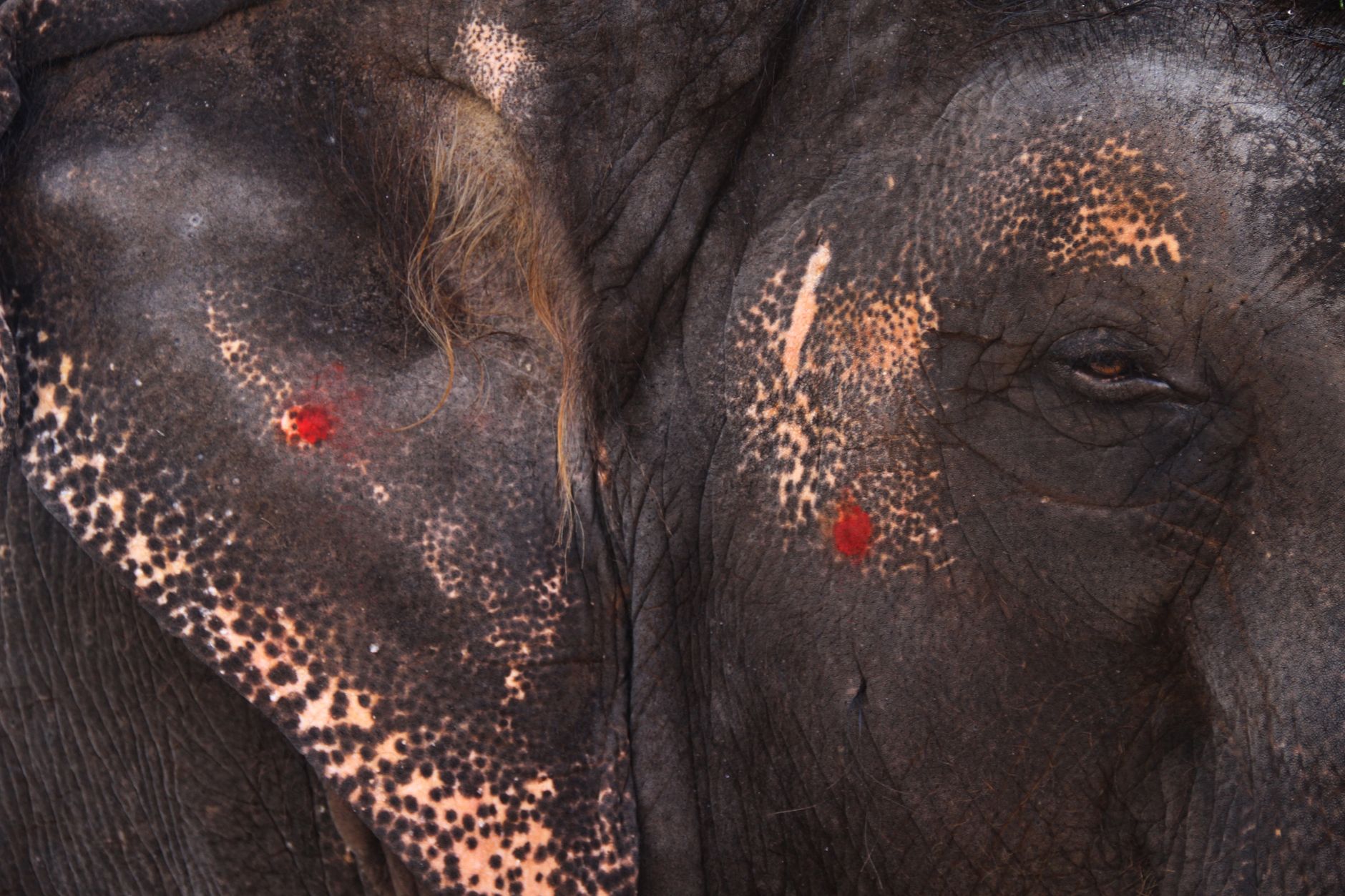
Dubare Elephant Camp sits along the Kaveri River near Kushalanagar in Kodagu district, about 50 kilometres from Madikeri. Day tickets grant access to bathe, feed, and walk alongside Asian elephants in their natural riverside setting, making it one of Karnataka's most interactive wildlife experiences. Ticket costs typically range from ₹500 to ₹2,000 per person depending on which activities you select and your group size, though prices fluctuate seasonally and should always be confirmed before arrival.
What activities does your ticket include?
A standard Dubare ticket covers elephant bathing in the Kaveri River—the centrepiece experience where you'll wade into the water alongside these intelligent animals, learning basic commands whilst an experienced mahout supervises. Most packages also include feeding the elephants with vegetables and sugarcane, a close-contact moment that connects you directly with their feeding behaviour. Many visitors don't realise that longer, premium packages occasionally include jungle walks with the elephants and additional mahout-led storytelling about individual animal personalities, though these require advance notice and may carry supplementary charges.
The camp operates on a rotation system, so morning and afternoon sessions run simultaneously with different groups of visitors, meaning you'll share the experience with others rather than having private access—this is worth understanding before booking, particularly if you're seeking solitude.
Related: Bisle Ghat viewpoint drive from Sakleshpur
See also: Mysore Dasara Jamboo Savari: Best Viewing Spots and Timings
See also: Is Dubare Elephant Camp Open Tomorrow? Current Status & Visiting Guide
How much do tickets actually cost?
Standard day-visit tickets currently range between ₹500 and ₹1,200 per adult for the core bathing and feeding experience. Families sometimes benefit from group rates or package deals that bundle multiple activities. Children under five occasionally receive discounted or free admission, though this varies. Premium extended packages that include longer interaction periods, jungle walks, or photographer-friendly extended bathing sessions can reach ₹2,000 or slightly higher. Seasonal demand affects pricing—monsoon months (June to September) may offer lower rates, whilst peak season (October to February) sometimes sees modest increases. Always contact the camp directly or through verified booking channels rather than relying on outdated online information, as prices adjust regularly.
Where should you book tickets?
The most straightforward approach is booking directly at Dubare Elephant Camp during operating hours. You can simply arrive and purchase tickets on the day, though this risks missing out if capacity fills during peak season (particularly weekends and holidays from November through January). Many visitors book through authorised agents in nearby Kushalanagar, Madikeri, or Coorg town, which occasionally bundle transport, though check whether these agents add significant markups. Some online travel platforms list Dubare tickets, but verify they're working with the camp's official operators—unofficial sellers sometimes quote outdated prices or create logistical confusion. The safest route remains contacting the camp directly via phone or visiting their official contact channels to confirm current prices, availability, and booking requirements before you travel.
When should you visit for the best experience?
Morning sessions (typically 6 to 8 am) offer the calmest elephant temperaments and softest light for photographs, though you'll need to wake early if you're staying in Madikeri or further away. Afternoon slots (around 3 to 4:30 pm) suit those with flexible schedules, though afternoon elephants may be less enthusiastically engaged. The Kaveri River water temperature varies dramatically—monsoon months bring cold, rushing water that some find uncomfortable, whilst winter (November to February) offers pleasant, temperate conditions alongside the clearest skies. Avoid visiting during peak midday heat (12 to 2 pm) when neither humans nor elephants are particularly comfortable. Weekday visits generally provide quieter, more personal interactions compared to weekends when domestic tourist groups dominate.
What should you actually bring?
Waterproof bags or dry storage are essential—your phone, camera, wallet, and valuables face genuine risk of water damage during river bathing. Bring swimwear and a spare change of clothes; whilst the camp provides basic changing facilities, they're minimal rather than spa-standard. A small towel proves more practical than expecting the camp to supply one. Footwear that grips wet rocks matters more than many realise; water shoes or sandals with ankle straps prevent slips on the riverbed. Sunscreen, a hat, and sunglasses protect against the intense Kodagu sun reflecting off the water. Cameras with good waterproof protection are worth the investment if you're serious about photographs. Some visitors bring fresh fruit or vegetables they've purchased locally if they want extra feeding opportunities, though clarify whether this is permitted before arrival.
How does this compare to other elephant experiences in Karnataka?
Dubare differs significantly from elephant sanctuaries emphasising observation and conservation over direct interaction. Places like the Nagarhole National Park experience focus on wildlife spotting with minimal elephant contact, appealing to those uncomfortable with animal handling. Dubare prioritises hands-on bathing and feeding, making it more immersive but also more labour-intensive for the elephants themselves—visitors should approach with awareness that this is entertainment-focused rather than purely conservation-oriented. If you're interested in ethical elephant interaction and conservation education, exploring Kodagu's broader wildlife landscape (including nearby Pushpagiri and Talakaveri) might complement or even replace an elephant camp visit. The ethical debate around elephant camps is real; some visitors prefer purely observational experiences, whilst others find the direct mahout-led experience invaluable for understanding these animals' intelligence and personalities.
FAQs
Can you book tickets online in advance? Some authorised agents offer online booking with advance confirmation, but the camp itself primarily handles walk-up purchases or phone bookings. Direct contact 24 to 48 hours before your visit ensures availability.
Are tickets refundable if weather cancels the session? Policies vary, but most operations refund or reschedule for heavy rain. Confirm cancellation terms when booking.
Do you need to be physically fit for elephant bathing? You'll wade into chest-deep water with rocky footing, so reasonable mobility helps. The mahout assists visitors, but those with mobility concerns should mention this during booking.
Is photography included, or do additional camera fees apply? Personal photography is included; commercial or professional photography typically requires separate permission and fees.
Plan your Dubare visit within Kodagu
Dubare fits naturally into a Kodagu itinerary centred around Madikeri and Kushalanagar. Pair your morning session with afternoon exploration of Madikeri's colonial architecture or the spice plantations surrounding Kushalanagar. If you're timing a longer stay, explore /kushalanagar or /madikeri to understand what else the region offers. The best time to visit Kodagu aligns largely with optimal Dubare conditions, particularly the cooler, drier winter months from November through February, when tickets may carry slight premiums but the experience is genuinely more comfortable for everyone involved.