Coorg Luxury Hotels: Where to Stay for Comfort and Elegance
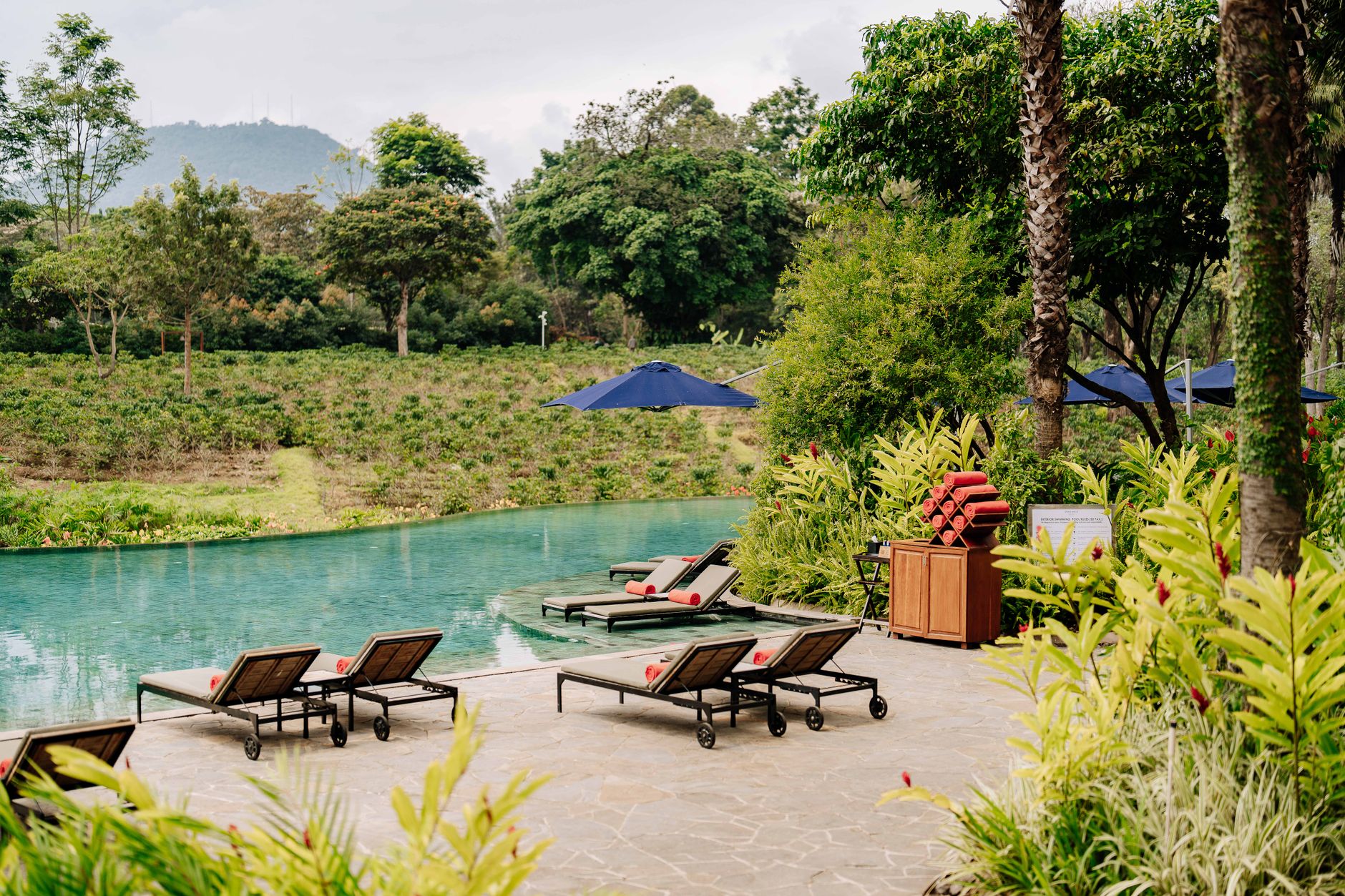
Coorg's luxury hotels represent a particular kind of indulgence: less about marble lobbies and more about waking to mist-covered hills, coffee-scented mornings, and the quiet rhythm of plantation life. The region's best premium stays integrate themselves into the landscape rather than dominating it, often functioning as working estates or heritage properties where you're as much a guest of the land as the hotel management. Service here tends toward the attentive but unobtrusive, staff know the forests and farms around you personally, and meals draw directly from what grows locally—which, for a coffee region, means something quite particular.
What distinguishes Coorg's luxury segment from other hill stations is the prevalence of estate-based hospitality. Many of the finest properties occupy portions of actual coffee, spice, or cardamom plantations, meaning your room comes with views of working agriculture rather than manicured gardens alone. This changes the experience substantially: you're not simply staying in a hotel set in nature, but rather staying within a functioning ecosystem where breakfast arrives from crops visible from your window.
What defines luxury in Coorg?
Luxury in Coorg doesn't follow metropolitan definitions strictly. A luxury property here typically features between 12 and 40 rooms rather than sprawling resort scale; personalised meal planning where chefs adapt to dietary preferences; guided experiences into surrounding plantations, forests, or villages; and architectural thoughtfulness—colonial bungalows renovated with modern bathrooms, or contemporary design that respects local building vernacular rather than imposing international aesthetics.
Related: Best Cottages in Coorg: Where to Stay Among Coffee Plantations
Related: Aishwarya Le Royal: A Heritage Palace Hotel Experience in Jog Falls
Related: Hotels in Badami: Where to Stay in Karnataka's Cave Temple Capital
The very best properties employ local guides who've lived in the region for decades, source ingredients from identified farmers rather than wholesale suppliers, and maintain libraries of books about Coorg's history and ecology. Many offer spice walks, coffee estate tours, or guided bird-watching where the guide actually knows individual bird species by call rather than reading from a laminated sheet. Spa facilities, where present, emphasise Ayurvedic treatments using locally-sourced oils and herbs rather than importing standardised menus from global chains.
Accommodation types vary meaningfully: heritage bungalows preserved from the British period, contemporary villas built with local stone and wood, converted traditional naadu houses (vernacular Coorg dwellings), and estate cottages that were originally foreman's residences. Each category carries distinct advantages. Heritage properties offer period authenticity and often superior architectural detail; contemporary villas provide modern comfort with design intention; traditional conversions give genuine cultural immersion; and estate cottages deliver the purest sense of being embedded within working plantation life.
Estate stays versus standalone hill resorts: which suits you?
Estate-based luxury hotels, which constitute much of Coorg's premium accommodation, position you directly within coffee, cardamom, or spice cultivation. You'll wake to birdsong and the sight of plants you'll later taste at breakfast. Management tends to be hands-on, with owners or long-term managers present regularly, and your interaction with staff feels more like visiting a knowledgeable friend's home than accessing standardised hotel services. Meals centre entirely on what the estate and immediate region produce, which in Coorg means exceptional coffee, fresh spices, rice, and foraged ingredients. The trade-off is that these properties often occupy remote locations requiring scenic but winding drives; amenities may be simpler (perhaps no gym or spa); and the season matters considerably—October through May offers clear skies and comfortable temperatures, whilst June through September brings heavy monsoon rains that transform everything green but restrict outdoor movement.
Standalone luxury resorts positioned on hillsides or forest edges outside active plantations typically offer more comprehensive facilities, broader activity menus, and easier access to Coorg town (Madikeri) for dining or shopping. They're better suited to travellers seeking resort-style comfort with luxury service standards rather than plantation immersion. However, they often feel less distinctive; their Coorg identity matters less centrally to their operation than an estate property's does.
For genuine engagement with what makes Coorg distinct—its agricultural heritage, local knowledge, food culture—estate stays consistently deliver more meaningfully. For convenience, facilities breadth, and flexibility around weather disruptions, standalone resorts offer practical advantages.
Seasons and pricing considerations
Coorg's luxury accommodation pricing follows weather seasons very clearly. October through May (peak season) sees rates at their highest; properties often require minimum stays and book fully months ahead. November and December command premium pricing despite high costs, as this period offers perfect weather—cool, clear, minimal rain. January through March remains expensive but less crowded. June through September (monsoon season) sees rates drop 30-50% as heavy rainfall limits outdoor activities, though the landscape intensifies in beauty and the region quiets substantially. September offers the best value of monsoon months as weather begins clearing.
During peak season, even luxury properties charge moderately compared to metropolitan five-star hotels—this reflects Coorg's economy and tourism positioning rather than scarcity. Standalone resorts tend to undercut estate properties by 15-25%, though quality varies considerably more. Budget-conscious luxury seekers often visit May or September for better rates without sacrificing significantly on experience.
What to expect service-wise
Coorg's premium hotels treat "service" differently than city properties. Staff learn guest preferences quickly and remember them across visits; meals adapt genuinely to expressed wishes rather than offering standard menus; and management genuinely wants feedback and adjusts accordingly. Phone service is efficient but not instantaneous—your butler might take longer arriving because they're assisting another guest in the garden, or your room might lack phone service in some areas because the property prioritised architectural authenticity over signal perfection.
Tipping culture exists but remains low-key; many luxury properties include service in rates and request tipping only feel-appropriate rather than obligatory. Staff are predominantly local or drawn from surrounding regions, meaning language occasionally requires patience (English is widely understood but not universally fluent), and staff genuinely know the region's history, food, forests, and social dynamics rather than reciting training materials.
Practical preparation for luxury stays
Pack layers even during warm months, as Coorg's altitude (around 900-1500 metres) and humidity create unpredictable temperatures, particularly early mornings and evenings. Insect repellent matters considerably during and immediately after monsoon season. Good walking shoes are genuinely useful rather than optional—many estates encourage exploration on foot, and paths can be uneven or muddy. If you have specific dietary requirements, communicate these during booking rather than assuming restaurant-style flexibility; estate kitchens work with available ingredients rather than ordering what's needed.
Mobile signal varies dramatically between properties and within properties; some estates have strong connectivity throughout, others experience dead zones. This is often intentional—quiet is part of what luxury means in Coorg. Confirm expectations during booking if connectivity matters for work.
Visit during the peak season if you prefer weather certainty and full activity access, or during the monsoon months if you value solitude and landscape intensity. Either choice delivers distinctly different but equally valid Coorg experiences through premium accommodation.
Nearby experiences worth planning
Most luxury hotels can arrange visits to Namdroling Monastery, Abbey Falls, Raja's Seat viewpoint, or plantation tours within their estate or nearby properties. Better properties organise more distinctive experiences: bird-watching with knowledgeable guides, spice market visits in Madikeri, interactions with coffee farmers, or hiking to forest patches. Ask specifically about these during booking rather than assuming they're standard.
For broader context about the region, explore Coorg's primary attractions and what to do there before selecting accommodation, as luxury properties often position themselves around specific experiences—some near waterfalls, others deep in plantation country, others closer to cultural sites.
FAQ
What's the realistic budget for luxury accommodation in Coorg? Most quality luxury properties charge between £80–200 per night depending on season, room type, and specific property positioning. Peak season (November–December) sees higher rates; monsoon months (June–September) offer significant discounts. This is genuinely affordable luxury compared to metropolitan standards, reflecting both the region's economy and lower operational costs.
Are luxury hotels in Coorg suitable for families with children? Absolutely, particularly estate-based properties where children can safely explore grounds, see agricultural processes, and interact with staff across extended stays. Confirm whether properties have specific children's amenities or outdoor programmes; many curate activities intentionally for families, whilst others cater primarily to couples.
How does weather affect luxury stays throughout the year? October–May delivers clear skies, comfortable temperatures, and full activity access; this is genuinely the ideal season. June–September brings heavy rainfall that transforms landscapes brilliantly but restricts outdoor movement and occasionally isolates properties through landslides—though it's quiet and affordable. Choose based on your preference for weather certainty versus solitude and landscape intensity.