Coorg Coffee Estate Stays: What to Expect and How to Choose
Coffee estate stays in Coorg exist on a spectrum: some are working plantations where you genuinely participate in harvest and processing, whilst others are upmarket resorts nestled within coffee-growing regions that offer the atmosphere and coffee education without the physical labour. The key distinction lies in authenticity versus comfort, and understanding this will determine whether your experience feels grounded in agricultural reality or more tourism-focused. Most visitors find the sweet spot somewhere between genuine interaction and reasonable amenities—waking at dawn for plantation walks, learning about coffee varietal differences from farmers, then returning to a hot shower and proper meal.
What can you realistically expect from a coffee estate stay?
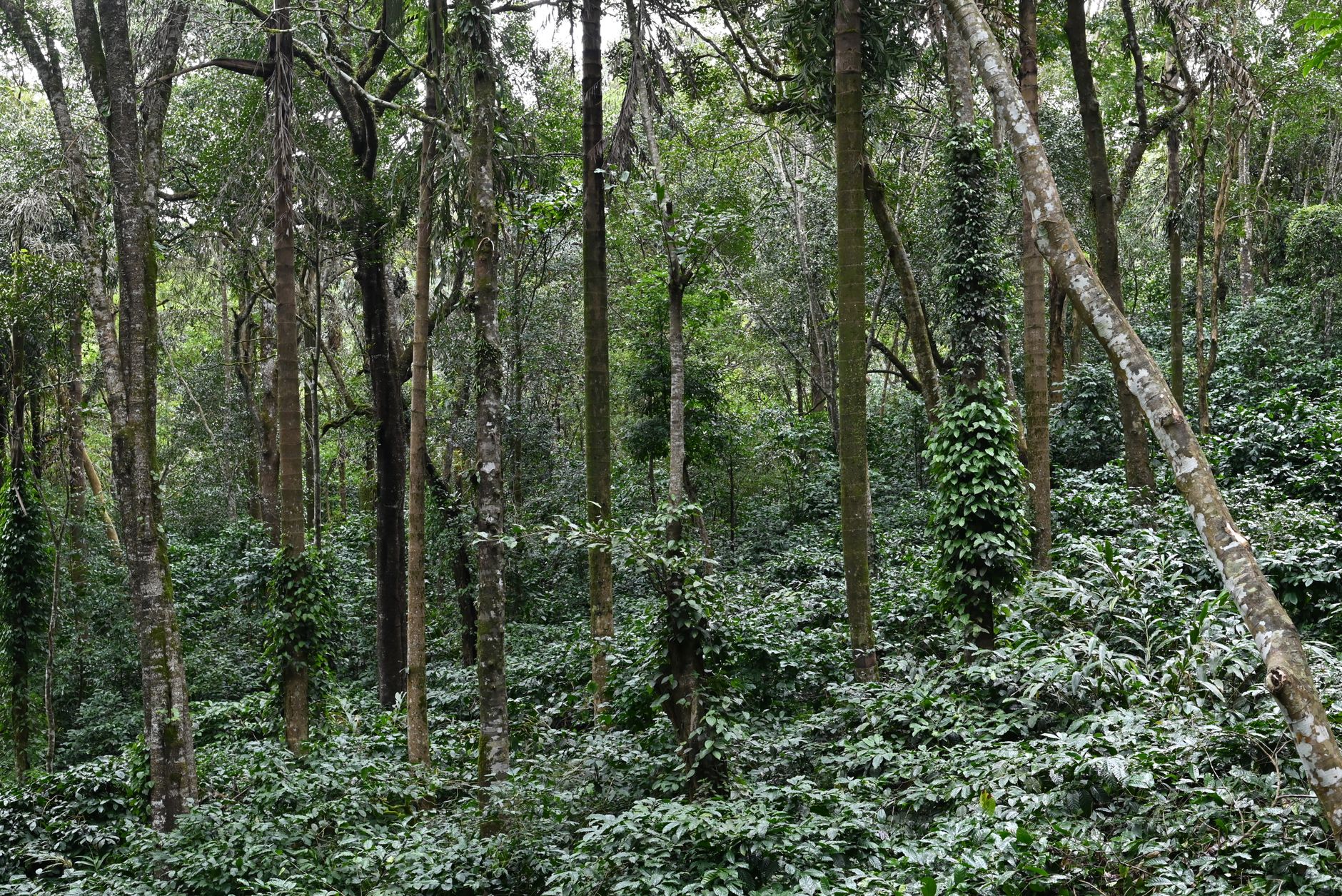
Your day typically begins between 5:30 and 6:00 am, well before the heat builds. A guide—often the plantation owner or manager—will walk you through the estate explaining soil conditions, shade-grown versus sun-grown methods, and which varietals grow where. During harvest season (September to December), you might pick beans yourself, understanding the labour intensity that goes into each handful. Non-harvest months focus more on the landscape, flora coexisting with coffee plants, and the ecosystem management that defines Coorg's approach.
Breakfast follows, usually at the estate itself or your accommodation, featuring fresh coffee from that morning's roast. Many properties offer cupping sessions—the formal coffee tasting process—where you'll learn to identify flavour notes and understand what makes Coorg coffee distinct (typically medium body, bright acidity, chocolate and spice undertones). By midday, temperatures soar, and most properties schedule rest or indoor activities. Evening walks might take you through cardamom or pepper plantations interspersed with coffee, as Coorg farmers traditionally intercrop to maximise land use and soil health.
Related: Bangalore to Mysore by Train: Vande Bharat vs Shatabdi Express – Which is Better?
See also: Mysore in 3 Days: The Complete Itinerary
See also: Chikkajala Fort: History, Architecture & Visiting Guide
Accommodation varies significantly. Authentic farm stays offer basic but clean rooms in family homes or small heritage structures. Mid-range options provide en-suite bathrooms, hot water, and proper beds whilst maintaining the plantation setting. Luxury resorts with coffee themes provide five-star service, spa facilities, and gourmet dining but sit somewhat apart from the daily working estate experience—you observe and learn rather than participate.
How does authenticity differ from resort-based coffee experiences?
A genuine coffee estate stay means you're on an active plantation with actual harvesting, processing, or maintenance happening around you. Amanvana Spa Resort - Coorg and Woodstock Resorts blend this approach: properties situated within or adjacent to coffee lands, offering plantation walks and coffee education without pretending guests will spend six hours picking beans. These tend to suit visitors who value genuine engagement but also want reliable comfort, proper meals, and facilities like spa treatments.
Luxury resorts such as Purple Palms Resort and Spa, Montrose Golf Resort And Spa, and Indo Asia Heritage Coorg, Formerly Heritage Resort Coorg offer coffee-themed experiences—estate tours, cupping sessions, coffee-infused wellness treatments—but your primary experience is resort-based. These properties cater to visitors seeking Coorg's coffee culture through curated activities rather than daily immersion. They're excellent if you want to understand coffee without compromising on dining quality, spacious rooms, or planned entertainment.
Smaller budget properties like The Cliff Edge Coorg or Indo Asia Heritage, Madikeri – Formerly Hotel Coorg International often work closely with local estates, arranging visits and sometimes employing former plantation workers as guides. This can offer deeper cultural insight than luxury resorts whilst remaining affordable.
What should guide your choice?
Pick an immersive farm stay if: You're comfortable with basic accommodation (squat toilets are sometimes a reality), enjoy rural rhythms, want to understand coffee production firsthand, and prefer staying with farming families or small heritage properties. These typically cost ₹2,000–4,000 per night and book through local tourism operators rather than mainstream hotel platforms.
Choose a mid-range property like Amanvana Spa Resort - Coorg or Woodstock Resorts if: You want substantive plantation engagement—morning walks, harvest participation during season, learning from estate managers—without sacrificing modern bathrooms, reliable electricity, or varied meals. These properties typically cost ₹4,000–8,000 per night and strike the balance most visitors seek. Amanvana's 9.1/10 rating from 792 reviews reflects its reputation for blending authenticity with genuine comfort.
Select a luxury resort if: You prioritise five-star amenities, curated experiences over daily immersion, and want coffee education served alongside spa treatments and fine dining. Indo Asia Heritage Coorg and Montrose Golf Resort And Spa both rate 8.7/10 and offer sophisticated environments where coffee features prominently but isn't the sole focus. Expect ₹8,000–15,000+ per night.
Practical considerations
Season matters. Arrive September to December for active harvesting and the full sensory experience—the smell of roasting coffee, pickers moving through rows, processing mills running. Other months remain beautiful but less animated agriculturally. January to March offers cooler weather and fewer rain interruptions.
Physical demands vary. Harvesting involves repetitive picking in humidity; cupping sessions are sedentary. Assess your fitness level honestly. Most properties accommodate varying activity preferences.
Cost transparency. Mid-range properties often bundle meals and activities; luxury resorts usually charge separately for plantation tours or spa treatments. Ask specifically what's included before booking.
Language and guides. Larger properties employ English-speaking guides; smaller farms may require basic Kannada or patience with translation. This is part of the authenticity, though potentially frustrating if you need detailed information.
Coorg's coffee culture is genuine and worth experiencing properly rather than superficially. Whether you choose Club Mahindra Madikeri Resort and SPA, Coorg for reliable four-star comfort or seek out a small family-run estate stay, the landscape and coffee knowledge remain remarkable. The difference lies in how deeply you'll engage and what trade-offs you'll accept between comfort and immersion.
For more context on visiting Coorg, explore best time to visit Coorg and where to stay in Coorg.
FAQ
Do I need coffee knowledge to stay on a coffee estate? No. Guides assume you're learning and enjoy teaching. Most visitors have never cupped coffee before and find the experience accessible and engaging.
Is picking coffee actually hard work? Yes, it's repetitive and can be uncomfortable in heat and humidity. You'll gain respect for pickers' labour quickly. Most properties limit participation to a few hours, not a full working day.
When is harvest season in Coorg? Main harvest runs September to December. Some picking continues through January. This is the best time for an authentic experience, though estates remain open year-round.
Can I visit multiple estates on a single stay? Most properties arrange single-estate or single-day multi-estate tours. Extended multi-estate visits require private arrangements. Staying two nights allows time for deeper engagement at one property plus a comparative visit elsewhere if desired.