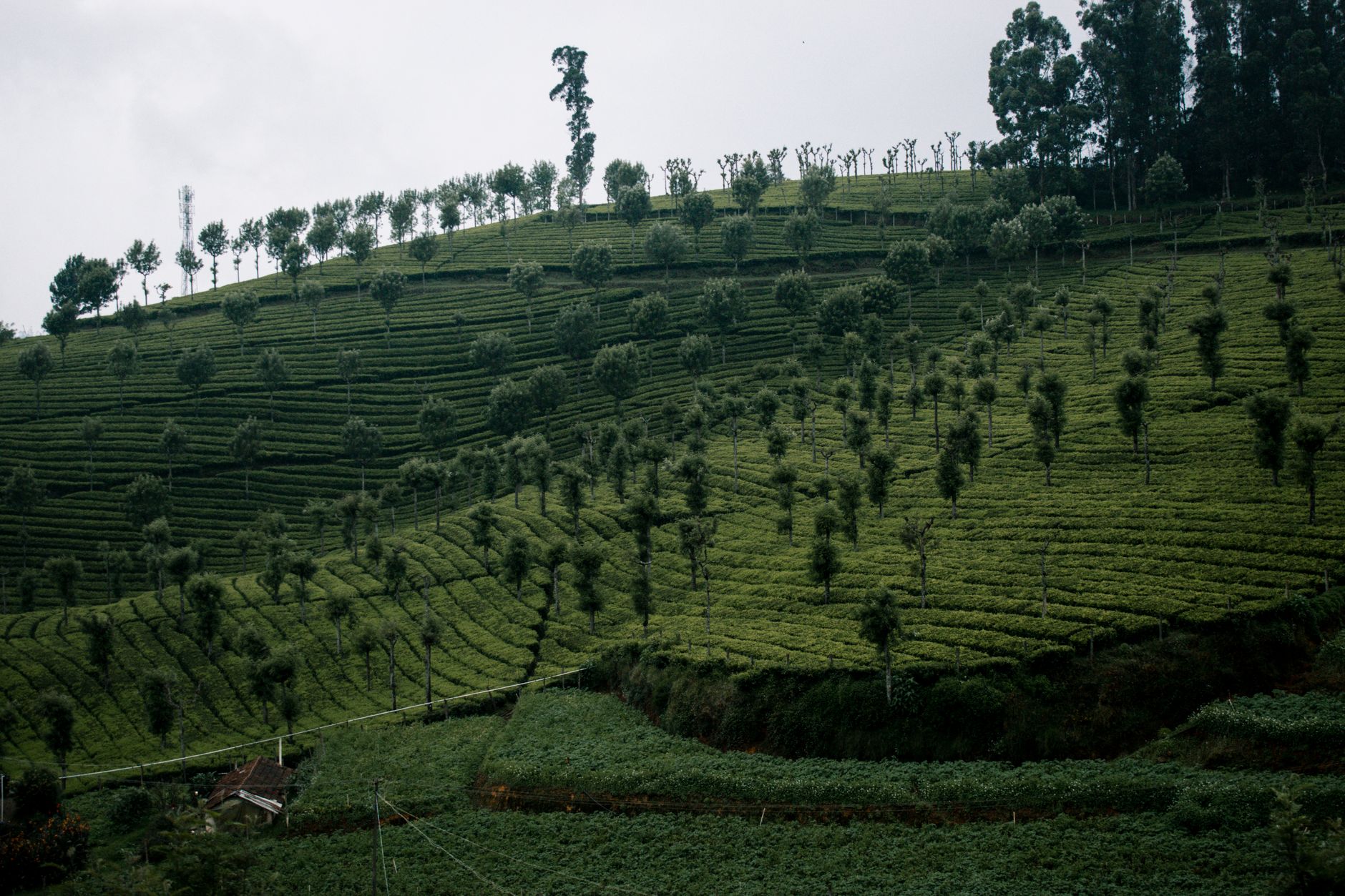
Coffee Plantation Resorts in Coorg: What to Expect and How to Choose
Coorg's coffee plantation resorts offer something genuine: staying on active coffee estates, watching processing, tasting fresh beans, and learning how the crop works. Costs run ₹4,000–12,000 per night depending on size and location. Most are small operations (10–30 rooms) rather than large hotels. Best seasons are June–September (monsoon, lush, quieter) and November–February (dry, harvest time, busier). Book direct with estates—many don't list on major platforms.
What Do Coffee Plantation Resorts Actually Offer?
These aren't coffee-themed hotels. They're working estates that rent rooms to visitors. Expect:
Farm work access. Most resorts let guests walk the planted slopes, see ripe cherries, observe drying beds. Harvest season (September–February) is most active. Off-season (March–August) means fewer visible processes, but land is still working.
Related: Bisle Ghat viewpoint drive from Sakleshpur
Related: Bangalore to Gokarna Distance: Route Options & Travel Guide
Related: Mysore to Ooty: Route, Stops and Travel Options
Coffee processing. You'll see pulping machines, fermentation tanks, and drying. Some resorts let you handle beans at the wet-processing stage or help sort dried beans. Don't expect factory-floor intensity; this is educational, not labour.
Tasting rooms. Almost every resort cupping facilities where staff explain roast levels, origin differences, and flavour notes. Many include one cupping session in the room rate; additional tastings cost ₹300–500 extra.
Meals. Food is usually homestay-style: rice, curry, greens from the estate kitchen garden. Coffee at breakfast is freshly roasted from the property. Some resorts offer cooking classes or spice garden tours as add-ons.
Accommodation standard. Rooms range from basic cottages (shared bathrooms, no AC, ₹3,500–5,000) to comfortable bungalows (private bath, hot water, small verandah, ₹7,000–12,000). Wi-Fi is inconsistent; expect poor mobile signal on many properties.
Seasons: When to Visit
Timing affects what you'll see and how crowded it feels.
June–September (monsoon). Heavy rain, lush slopes, fewer tourists. Resorts are quiet. Post-monsoon pulping happens in August–September. Humidity is high; packing light, quick-dry clothes is essential. Landslide risk on some roads during peak rain (July–August). Roads remain passable if you're cautious.
September–November (early dry season). Harvest begins mid-September. This is the busiest and most active time. You'll see cherry-picking, pulping, and fermentation. Temperatures drop. Resorts book up 4–6 weeks ahead.
November–February (dry harvest). Peak season. Clear skies, harvest in full swing, estate staff busy. Resorts are full; book 6–8 weeks ahead. Mornings are cool (12–15°C); bring a light jacket.
March–May (hot dry). Harvest ends by late February. Drying continues but activity drops. Temperatures hit 28–32°C. Fewer tourists, easier booking. Less to watch on the estate side.
How to Choose Between Resorts
Location within Coorg. Central estates (around Madikeri town, 25–35 km from Bangalore) are easiest to reach and have more facilities nearby. Remote estates (30–50 km from town) feel more isolated and peaceful but require careful planning for supplies and medical care.
Estate size. Large estates (500+ hectares) often have more infrastructure, multiple room types, and better roads. Small family estates (50–200 hectares) feel personal but have limited facilities and fewer activity options.
Price versus experience. Budget resorts (₹3,500–5,000) provide basic rooms, shared facilities, and simple food. Mid-range (₹6,000–8,000) offer private baths, tastings, and staff-led farm walks. Premium properties (₹9,000–12,000) add cupping classes, cooking lessons, and better room comfort. The jump from budget to mid-range is worth it; the jump from mid-range to premium is mostly comfort and fewer guests.
Activity inclusion. Read what's included in the room rate. Some throw in farm walks and one cupping session. Others charge ₹500–1,500 per activity. If you plan to cup coffee twice, cupping classes, and cooking, budget an extra ₹2,000–3,000 for add-ons.
Accessibility. If you have mobility issues, ask directly about road quality (gravel versus sealed), slope gradient near rooms, and bathroom facilities. Many estates have steep, uneven terrain.
Booking and Practical Details
Direct booking. Most coffee resorts don't use Booking.com or OYO; they have standalone websites or accept email bookings. Search the estate name directly. Call ahead—staff often aren't at desks during peak farm hours (6 am–11 am, 3 pm–5 pm).
Getting there. Nearest airport is Bangalore (260 km, 5–6 hours by car). Madikeri town is the closest hub with fuel, cash, and supplies. Gravel plantation roads are passable year-round but rough; a 4x4 isn't essential but high-clearance vehicles handle rains better. Hire a local taxi or arrange transport through the resort.
Minimum stay. Most resorts prefer 2 nights. One night is sometimes possible at ₹25–30% markup.
What to pack. Lightweight, quick-dry clothes (monsoon humidity), good walking shoes (uneven slopes), sunscreen, insect repellent, and any medications. Mobile signal varies; download maps offline. Cash is safer than cards; many estates don't accept digital payments.
Food and allergies. Tell the resort about dietary restrictions when booking. Vegetarian food is standard; vegan and allergen-free require advance notice. Coffee is plentiful; don't expect other hot drinks.
Related Guides
For wider context, read about Coorg's best time to visit, Coorg weather and what to pack, and what to do in Coorg beyond plantations.
FAQ
Can you pick coffee cherries yourself? Yes, during harvest (September–February). You'll gather a small basket under staff guidance—enough to see the work involved but not enough for a full harvest experience. It's labour-intensive; expect to understand why picking is paid work.
Is the coffee you drink at the resort the estate's own crop? Usually yes. Resorts roast beans from their own estate. You can buy roasted or green beans to take home, typically ₹400–600 per 250g bag.
Do I need to be fit for plantation hikes? Not extremely, but terrain is steep and uneven. If you can walk for 45 minutes uphill without resting repeatedly, you're fine. Older guests and those with knee or ankle issues should ask about gentler routes when booking.
What's the actual cost for a family of four for a long weekend? Two nights, two rooms (₹7,000 per night), meals included, one cupping session, and transport (hired taxi ₹3,000 for the weekend) totals roughly ₹31,000–35,000 before activities and meals outside the resort. Budget another ₹5,000–8,000 if you plan to visit nearby towns or do extra activities.