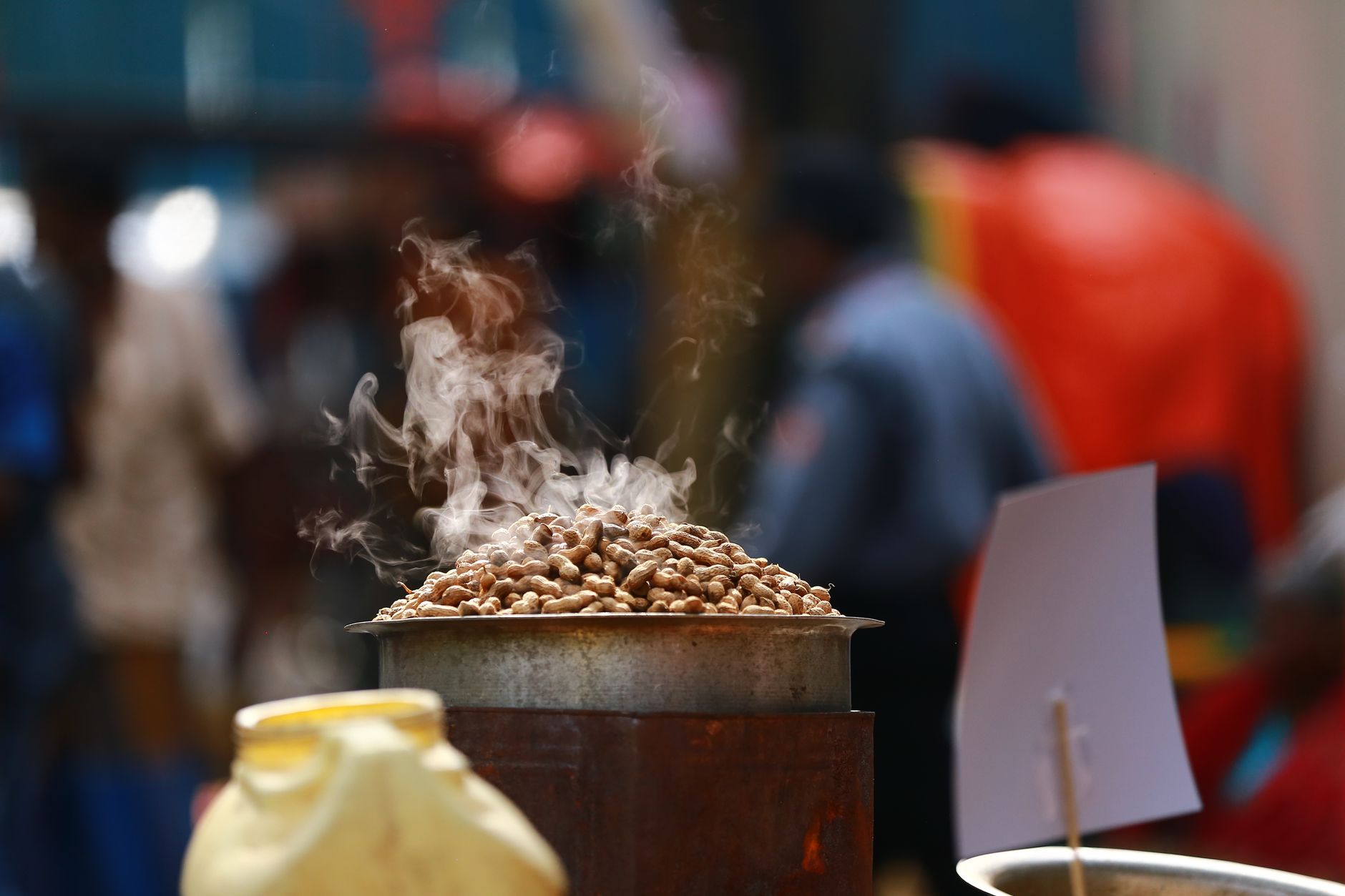
Chitradurga's food culture is rooted in centuries of local farming and Deccan cuisine traditions, centring on hardy millets, ground pulses, and slow-cooked meat dishes that developed in the region's semi-arid landscape and reflect its history as a medieval trade settlement.
What makes Chitradurga's food distinctive?
Unlike the rice-heavy Kannada coast, Chitradurga cooking leans heavily on jowar (sorghum), ragi (finger millet), and bajra, grains that thrive in its dry plateau climate. The food tastes earthy and substantial—preparations tend toward thick gravies, fried snacks, and hand-rolled breads rather than steamed items. You'll notice less coconut here than in coastal Karnataka, and more reliance on sesame, groundnut, and locally pressed oils. The influence of old Deccan sultanates and later Marathi traders has left lasting marks: certain curries carry a spiced, almost Middle Eastern character absent from southern coastal cooking.
Which dishes should you seek out?
Jowar Roti and Jolada Roti are the region's everyday staple, made from sorghum flour and sometimes mixed with wheat. They're greyish, slightly coarse in texture, and pair perfectly with spiced vegetable curries. You'll find these at almost every household and small eatery; they taste nothing like the refined wheat rotis of northern India—they have a nutty, mineral quality that becomes addictive once you adjust to it.
Related: Hotels in Electronic City Phase 1, Bangalore: A Visitor's Guide
Related: Itsy Hotels and Shreys Inn: Budget Stay Options in Karnataka
Related: Badami Caves: A Complete Guide to Karnataka's Ancient Rock-Cut Temples
Chitradurga Payasa is the town's most famous sweet, a semolina and jaggery dessert traditionally prepared during temple festivals and weddings. It's dense, oil-rich, and intensely sweet—a small portion satisfies completely. The best versions come from established sweet shops in the old bazaar areas, where recipes have been perfected over generations. You'll notice it's grainier and less refined than city desserts; this is intentional, reflecting rural confectionery values.
Kichdi and Ennegai (drumstick leaf fritters) show up regularly on thali plates. The kichdi here is looser than other regions' versions, almost rice-based comfort food rather than a healing dish. Ennegai are drumstick leaves mixed with lentil batter and shallow-fried—they arrive crisp and flavourful, often accompanied by a tamarind chutney that balances their earthiness.
Ragi Mudde (finger millet balls) appears as a breakfast or light dinner item. It's shaped into fist-sized balls, dipped in spiced sambar or rasam. The texture is dense and sticky; locals eat it with their hands, breaking off pieces and dipping each one. It sounds humble but it's genuinely satisfying and deeply connected to the region's agricultural identity.
Pulav and Biryani here carry Deccan and Hyderabadi influences, made with meat (usually goat or chicken) and aromatic spices. These aren't the butter-drenched versions of northern bistros but rather spice-forward, slightly drier preparations where the rice absorbs a complex masala base. You'll find good pulav in non-vegetarian eateries clustered near the bus station and old markets.
Gur Chikhalii is a traditional sweet made from jaggery and chickpea flour, sometimes served during winters. It's fudgy, oil-laden, and intensely rich—a small square provides significant satisfaction. This isn't a dish you'll find easily; you need to visit during festive seasons or ask at local sweet shops about traditional preparations.
Where should you eat in Chitradurga?
The old city bazaar, particularly around the fort approach, holds numerous small restaurants serving genuine local food rather than adapted tourist versions. These aren't places with English menus or air conditioning; they're open-fronted eateries where you can watch food being prepared, and where other local diners are your best indicator of quality. Street-level dosai and idli shops offer lighter breakfast alternatives, though Chitradurga's bread tradition means bread-based meals tend to be more satisfying here.
Small sweet shops in the bazaar remain the best places for payasa and traditional sweets. Ask shop owners about seasonal specialities—many prepare specific dishes only during temple seasons or festivals, and they'll direct you toward whatever is freshly made that day. Non-vegetarian establishments congregate in certain areas; ask your accommodation owner rather than wandering randomly, as these operate quietly and aren't always clearly marked.
Market-area dhabas occasionally offer thalis—complete meal platters with several curries, pickles, and bread—at reasonable prices. These give you the best overview of local eating patterns in a single meal.
What's the difference between Chitradurga's food and nearby regions?
Compare Chitradurga's millet-forward, spice-centric approach to Bangalore's cosmopolitan mix, where every regional cuisine jostles for space. The food here is less precious, more functional, reflecting a genuinely local culture rather than tourism-shaped offerings. Against Belgaum/Belagavi's distinctly northern-influenced food (expect more wheat breads and different spicing), Chitradurga remains stubbornly Deccan-influenced. Visit Hassan's quieter towns and you'll find more coconut, more rice preparation; Chitradurga doubles down on what grows locally and what ancestors perfected.
Practical eating tips for visitors
Eat where locals eat, particularly at lunch time (roughly 1–2pm) when thali platters are freshest and busy restaurants cycle through ingredients quickly. Many traditional eateries close between 3–6pm, so plan accordingly. Vegetarian options are abundant and genuinely tasty, not afterthoughts; lentil curries here are often more interesting than meat dishes because the region's pulse cultivation runs deep. Ask for mild spicing if you're sensitive to heat, though 'mild' in local kitchens remains notably spicier than restaurant 'mild' elsewhere. Tap water in the city is generally safe for locals but carry bottled water if your stomach is unaccustomed to regional bacteria. Street food—pani puri, chikhalii from market carts—is usually fine, but observe cleanliness and crowd density before eating.
Visit during temple festivals or wedding seasons if possible; this is when traditional food reaches its best and most elaborate versions. Locals become generous about sharing knowledge when these occasions occur.
FAQ
Q: Is Chitradurga's food spicy compared to other Karnataka regions? A: Yes, generally spicier than coastal areas, though not as intense as North Indian food. The spicing is layered—from chillis, asafoetida, and individual spice tempering—rather than simply hot. Local kitchens adjust readily on request.
Q: Are there good vegetarian options? A: Absolutely. Lentil curries, vegetable preparations with jaggery or sesame seeds, and millet dishes are hearty and flavourful. Many traditional thalis run 70–80% vegetarian items anyway.
Q: When should I visit to eat seasonal specialities? A: Monsoon months (July–September) see different vegetable curries. Festival periods bring traditional sweets. Harvest season (post-October) brings fresh grain-based dishes. Ask locally upon arrival for current seasonal offerings.
Q: Can I find Chitradurga Payasa easily, or is it mainly for tourists? A: It's a genuine local sweet, not created for tourism, but isn't eaten daily. Sweet shops prepare it regularly; ask specifically rather than assuming all shops stock it. Quality varies considerably between makers.