Central Market Mangalore: A Complete Visitor's Guide
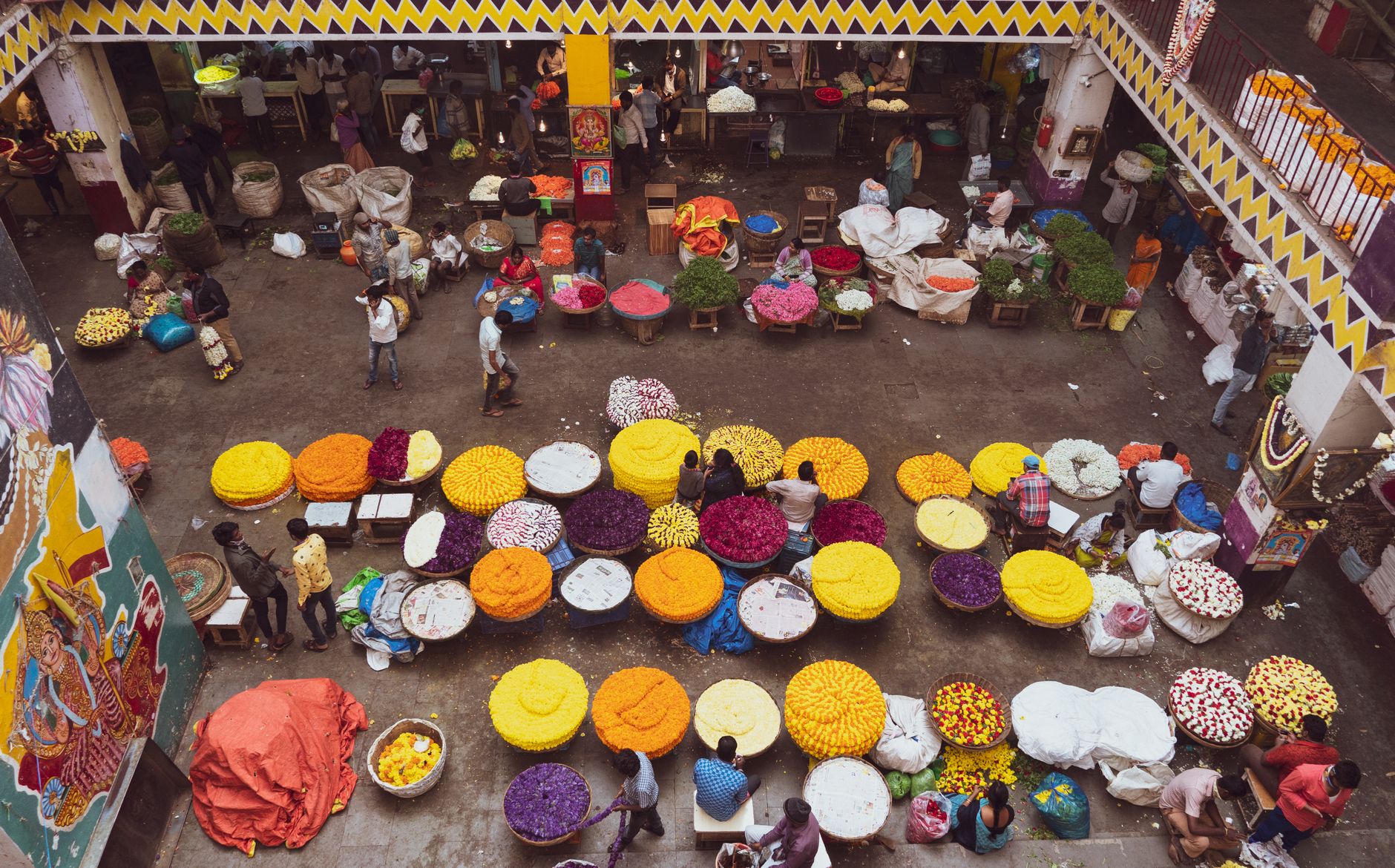
Central Market in Mangalore is the city's beating heart—a sensory rush of spice vendors, fish merchants, and textile stalls where locals haggle and shop as they have for generations. You'll find the freshest cardamom, coconut, and arecanut, alongside colourful fabrics and street food. Early mornings are best; afternoons can feel chaotic.
What is Central Market Mangalore?
Located in the heart of the city, Central Market (also called Mangalore Central Market or the Old Market area) is a traditional covered bazaar that has served the city for over a century. It's not a single building but rather a network of narrow lanes packed with independent stalls, small shops, and family-run businesses selling everything from produce to spices to textiles.
Unlike modern shopping malls, this is where Mangalore's real commerce happens—where housewives, restaurants, and small traders source their goods daily. The energy is palpable, the chaos deliberate, and the prices reflect genuine market competition rather than retail markup.
Related: Business Hotels in Whitefield, Bengaluru: Location Guide & Amenities
Related: Club Mahindra Coorg: A Complete Guide to Staying in Nature's Lap
Related: Chikmagalur with Family: Stays and Things to Do
Best Time to Visit Central Market
Early Morning (6:30–8:30 AM)
Arrive early if you want the full experience. The market awakens around 6 AM, and the energy is electric. Fish vendors are setting out their catch, vegetable sellers are arranging produce, and the air smells of fresh coconut and sea salt. It's quieter than later hours but fully stocked. You'll see traders from restaurants and hotels doing bulk shopping, and locals hunting for the day's best deals.
Mid-Morning (8:30–11 AM)
Still busy but manageable. The crowd has grown, but you can still navigate easily and chat with vendors. This is a good window if you're not an extreme early riser.
Midday to Afternoon (12 PM–4 PM)
The market reaches peak chaos. Crowds are thick, the air gets humid and warm (especially in summer), and vendors are tired. Navigation is difficult, pickpocketing risk increases, and the sensory overload can feel overwhelming if you're not prepared. Avoid this window unless you enjoy that particular madness.
Late Afternoon (4 PM onwards)
Many stalls begin closing as vendors pack up unsold stock. By 6 PM, the market is shutting down.
Monsoon vs. Dry Season Trade-offs
June to September (Monsoon)
The market becomes slippery and damp. Drainage is poor in some lanes, so wear shoes with grip. Fresh fish stocks are excellent (monsoon brings good catches). Spices are kept under cover, so no moisture damage. The cooler, cloudy weather means fewer people in early morning, but afternoon crowds might shelter inside the market rather than dispersing. Humidity clings to you—bring a water bottle.
October to May (Dry Season)
Cleaner lanes, easier walking, and much more comfortable. Spice quality is visibly excellent—cardamom, cloves, and pepper gleam in neat piles. Morning light floods the narrow lanes, making photography better. It's peak tourist season, so crowds are heavier, especially weekends. December to February is pleasant and busy; March to May gets hot and uncomfortable by 10 AM.
What to Buy at Central Market Mangalore
Spices
Cardamom (both green and black), black pepper, cloves, cinnamon, and fenugreek are sold by weight at prices half what you'd pay in supermarkets. Vendors will grind spices fresh if you ask. Quality varies—ask vendors to show you several grades and choose based on aroma and appearance.
Coconut Products
Fresh grated coconut, whole dried coconuts, and coconut oil. The fresh coconut here is genuinely fresh—cracked open that morning. Coconut oil is sold in bottles or small containers; vendors will often give you a tiny taste to check quality.
Arecanut (Betel Nut)
A significant local crop. Sold in small pieces or whole. This is cultural and regional—most tourists skip it, but it's worth observing how it's sold and used locally.
Fresh Fish and Seafood
King fish, mackerel, prawns, crab, and squid, all iced and often brought in that morning. Prices are significantly lower than restaurants. Vendors will clean and fillet on request. This isn't for everyone—the smell is intense and authentic—but it's a genuine window into local eating.
Vegetables and Fruits
Bananas (multiple varieties), mangoes (in season), drumsticks, okra, and leafy greens. Seasonal availability drives the stalls; in summer, mangoes dominate; in monsoon, leafy vegetables flourish.
Textiles and Fabrics
Cotton, silk, and synthetic fabrics for salwar kameez, sarees, and other garments. Prices are excellent if you know how to negotiate. Quality ranges widely—inspect seams and dye evenness.
Street Food
Vendors sell fresh chikhalwali (local snacks), banana chips, and other fried goods. Hygiene varies—choose stalls that look busy and clean.
How to Navigate Central Market
Parking
On-street parking is limited and chaotic. Your best option is a paid lot on the market's periphery (usually 20–50 rupees for a few hours). Don't leave valuables visible in your vehicle.
Haggling
Prices are not fixed, especially for textiles, spices in bulk, and fish. Haggling is expected, but don't be aggressive. A polite "What's your best price?" often leads to a small discount. Tourists are sometimes quoted high initial prices—this is standard, and negotiation is part of the game.
Language
Kannada and Konkani are spoken widely; English is limited but understood by younger vendors. A phrase book or translation app helps.
What to Bring
- Comfortable, closed-toe shoes (the floor is wet and uneven)
- A small backpack or crossbody bag
- Cash (many vendors don't accept digital payments)
- A water bottle
- A cloth bag if you plan to buy vegetables or spices
Safety and Sensibility
Central Market is safe during the day, but pickpocketing does happen in crowds. Keep valuables secure, avoid flashing cash, and stay aware of your surroundings. It's not dangerous, but it requires attention.
Comparison: Central Market vs. Modern Shopping
Central Market offers lower prices, authentic experience, and direct interaction with producers. Modern malls (like Nexus or City Centre) offer air-conditioning, fixed prices, and convenience. For spices, coconut products, and fresh produce, Central Market wins on price and quality. For comfort and browsing ease, malls are better. For understanding how Mangalore actually sources its food, Central Market is non-negotiable.
Nearby Attractions
Central Market is within walking distance of Mangalore's old city. The Juma Masjid is nearby, as are several temples and heritage sites. After market exploration, you could visit the waterfront or explore local heritage sites. See Mangalore's main attractions for fuller context.
Practical Information
Location: Near the city centre, accessible by auto-rickshaw or taxi Opening Hours: Roughly 6 AM–6 PM; busiest 6–11 AM and 4–5 PM Best Days: Weekdays are less crowded than weekends Photography: Always ask vendors before photographing stalls; most are fine with it
FAQ
Is Central Market safe for tourists? Yes, during daylight hours. It's busy and crowded, but locals and traders are accustomed to visitors. Pickpocketing can happen in dense crowds, so keep valuables secure and stay aware. Avoid coming alone very early or late.
Can I take photos? Generally yes. Many vendors enjoy having their stalls photographed, especially if you're respectful and ask first. A few may refuse—simply move on. Avoid photographing people closely without permission.
Do I need to speak Kannada? No. English is understood by many younger vendors, and gestures work for transactions. A translation app on your phone is helpful for detailed conversations.
What should I eat here? Try local street snacks like chikhalwali or banana chips. Street food vendors are generally hygienic if the stall looks busy and clean. Avoid eating raw vegetables from the market unless you've confirmed they're safe. Stick to cooked food or fruits you can peel.
Central Market is loud, crowded, and unpolished—which is precisely why it matters. It's where Mangalore's real life happens. Come early, bring cash, wear comfortable shoes, and embrace the sensory chaos. You'll leave with excellent spices, genuine local insight, and the knowledge that you've seen the city as locals see it.