Best Santhe Near Me: Karnataka's Most Vibrant Markets
Karnataka's santhe are far more than shopping destinations—they're sensory immersions into rural rhythms and local culture. Whether you're seeking the crispness of morning-picked vegetables, the earthy perfume of turmeric and coriander, or the honest commerce of farmers meeting city dwellers, the right santhe transforms a routine errand into a genuine experience.
What Is a Santhe and Why Visit One?
A santhe is a traditional farmers' market or bazaar where producers sell directly to consumers—often before 9 a.m., when vendors pack up and head home. Unlike supermarkets, santhe thrum with negotiation, seasonal abundance, and the kind of quality transparency you only get when you can ask the farmer why their tomatoes taste exceptional. Prices shift daily based on harvest and demand, making each visit genuinely unpredictable.
You'll encounter produce at peak ripeness (not pre-picked for shelf life), seasonal specialities unavailable elsewhere, and local varieties bred for flavour rather than shipping resilience. The energy is palpable: vendors calling out their wares, shoppers selecting individual vegetables with care, and the collective hum of a community marketplace functioning as it has for generations.
Related: Apple Villa Bangalore: A Guide to Staying in the City's Luxury Enclave
Related: Belur to Bangalore Distance: Route Options and Travel Times
Related: Eiffel Tower Bangalore: India's Own Replica & Visitor Guide
Major Santhe by Region
Bangalore Santhe
Jayanagar 5th Block Santhe is among the city's most organised, operating Tuesday, Thursday, and Saturday mornings. Expect queues, but also remarkable consistency in quality and a diverse vendor base selling everything from heirloom tomatoes to fresh coconut and specialty spices. The rhythm is brisk; arrive by 7 a.m. to claim the best selections.
Basavanagudi Santhe (near the Bull Temple area) feels more residential and less tourist-oriented. Vendors here know their regular customers by name. Seasonal berries, leafy greens, and regional produce dominate. Mornings are cooler and less crowded than midday.
Yeshwanthpur Santhe runs on most weekday mornings and attracts wholesale buyers alongside home cooks. Pricing is sharper here, and the vendor community is tighter-knit. It's worth the early start if you're serious about produce quality.
Mysore Santhe
Devaraja Market in central Mysore is one of South India's oldest continuously operating bazaars. It sprawls across multiple lanes: vegetable sections, flower vendors, spice rows perfumed with cardamom and cinnamon, and textiles. Mornings (6–9 a.m.) are less chaotic than afternoons. The architecture itself—colonial-era arcades—adds historical texture to the shopping experience. During mango season (April–June), the variety is staggering.
Bamboo Bazaar Santhe near Mysore is smaller and more produce-focused, popular with locals. Seasonal vegetables and fresh herbs are excellent here.
Coorg Santhe
Madikeri's main market (best visited Tuesday or Friday mornings) reflects the region's agricultural richness: coffee, cardamom, pepper, and fresh hill produce. It's compact but genuine, offering a window into Coorg's spice and plantation economy. The cool mountain air makes early-morning shopping pleasant year-round.
Coastal Markets: Mangalore and Udupi
Mangalore's City Market opens early and reflects the region's seafood culture—fresh fish, prawns, and coconut products dominate. It's a working market, not a tourist attraction, which makes it authentic. Vendor negotiations here are spirited but fair.
Udupi's Santhe near the temple area combines vegetable vendors with flower stalls and spice traders. The maritime influence shapes produce seasonality sharply.
Seasonal Considerations
Dry Season (October–February)
This is santhe season. Vegetables are abundant, prices reasonable, and quality exceptional. Produce includes leafy greens, root vegetables, and fruits like custard apples and oranges. The morning air is cool, making extended browsing comfortable. Vendors are relaxed and chatty—less time pressure means better interaction.
Monsoon (June–September)
Santhe still operate, but produce selection narrows significantly. Vegetables are limited and priced higher due to reduced supply. Leafy greens and monsoon-specific gourds (snake gourd, ridge gourd) appear. Markets become muddy and crowded during rainfall. However, if you visit during dry spells mid-monsoon, the energy can be exceptional—vendors eager for foot traffic, buyers seeking rare finds.
Summer (March–May)
Extreme heat (35–40°C in plains) makes early-morning visits essential. Santhe wrap up by 8–9 a.m. Mango season peaks, offering extraordinary variety. Tomatoes and onions are pricey. Visit before 7 a.m. if shopping in late April or May.
How to Get the Most from Your Santhe Visit
Arrive early. 6–7 a.m. is ideal. Vendors are less haggled-out, produce selection is widest, and the sensory experience—vendors setting up, cool air, dawn light—is richest.
Bring cash. Most santhe vendors still operate cash-only, though this is slowly changing in urban centres.
Chat with vendors. Ask where vegetables come from, when they were picked, which variety is sweetest. Vendors appreciate genuine curiosity and often give small price concessions to engaged buyers.
Shop seasonally. Don't hunt for tomatoes in monsoon or leafy greens at peak summer. Work with what's abundant—it'll be cheaper and taste better.
Consider the neighbourhood. Each santhe reflects its locality. Coorg markets emphasise spices, coastal markets emphasise seafood and coconut, and hill stations emphasise cool-weather produce. Visit when exploring the area itself.
Santhe vs. Supermarkets: The Honest Trade-off
Santhe offer fresher produce, seasonal authenticity, direct producer-buyer relationships, and better prices for bulk purchases. They also require early mornings, cash handling, no temperature control, and weather dependency.
Supermarkets offer year-round consistency, convenient hours, and predictability—but at the cost of produce picked early, limited seasonal variety, and higher prices. For occasional shoppers, santhe can feel chaotic. For those seeking genuine flavour and local connection, they're incomparable.
Exploring Beyond Produce
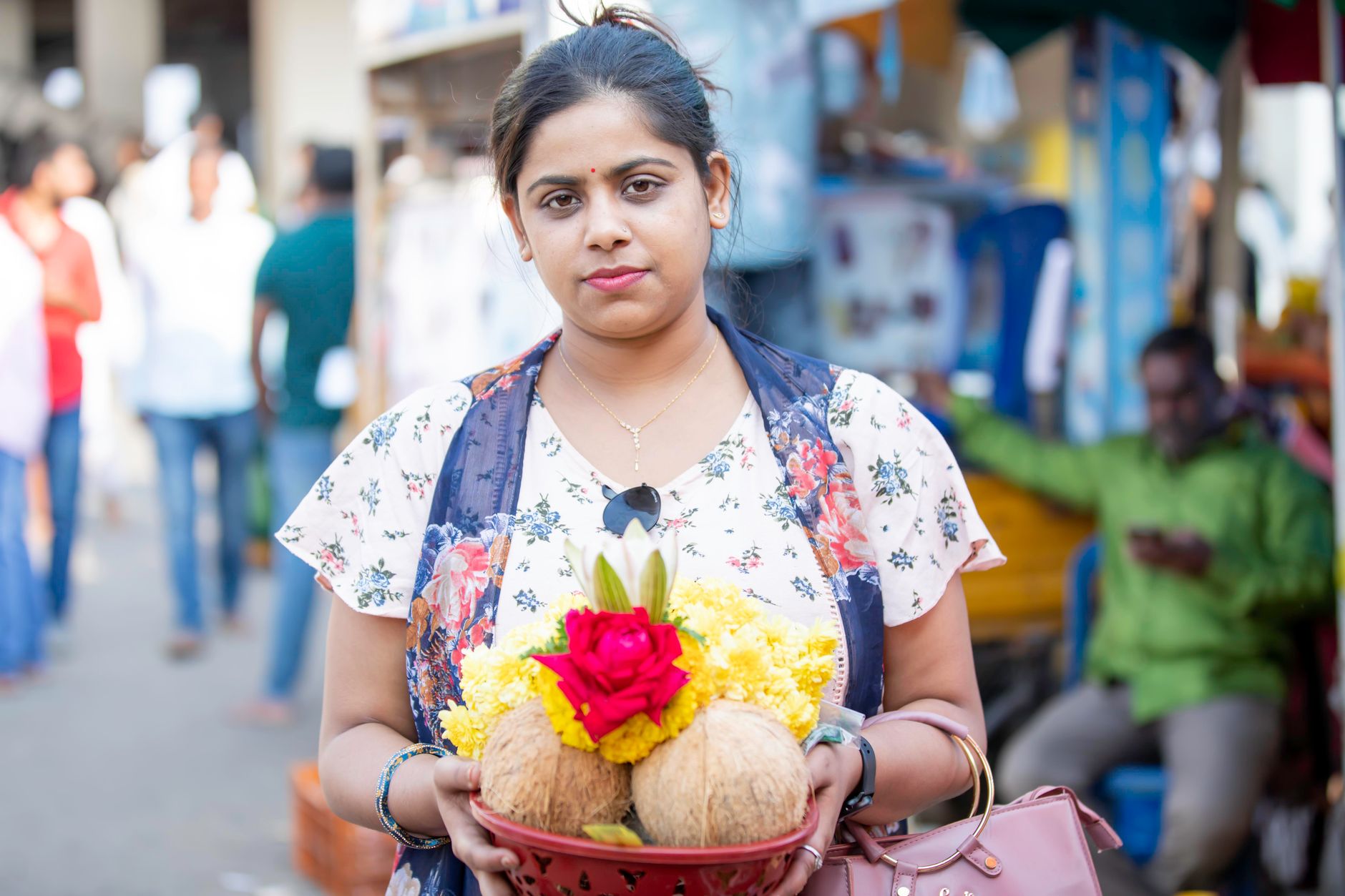
Many santhe expand beyond vegetables. You'll find flowers (excellent for pooja), spices in bulk (far cheaper than packaged), fresh herbs like kaffir lime and curry leaves, dried goods, and sometimes regional textiles or handicrafts. Some host satellite vendors selling street food at day-break—warm dosa, idli, and strong filter coffee—making the market visit a complete sensory and social experience.
Links to Explore Further
For more on regional food cultures and agricultural seasons, visit our guides to Coorg, Mysore, and Bangalore to understand what grows when and where.
FAQ
What time do santhe open and close? Most santhe open between 5–6 a.m. and close by 9–10 a.m. Some operate twice weekly (specific days vary by market). Check locally—santhe schedules are informal and change seasonally.
Are santhe safe for visitors unfamiliar with local languages? Completely. Vendors are accustomed to non-Kannada speakers, and basic hand signals (pointing, nodding) suffice. Urban santhe in Bangalore and Mysore have more English speakers than rural markets, but friendliness is universal.
Can I find organic produce at santhe? Some vendors at larger santhe explicitly market organic or naturally-grown produce (at modest premiums). Ask directly—"chemical-free" or "organic" questions are common and welcomed. Smaller santhe often operate de facto organically due to scale, though labelling isn't formal.
What's the best santhe to visit as a tourist? Devaraja Market in Mysore combines historical charm, architectural interest, and produce diversity. It's walkable, photogenic, and genuinely functional—not a tourist version of a market. Arrive by 7 a.m. to avoid afternoon crowding.