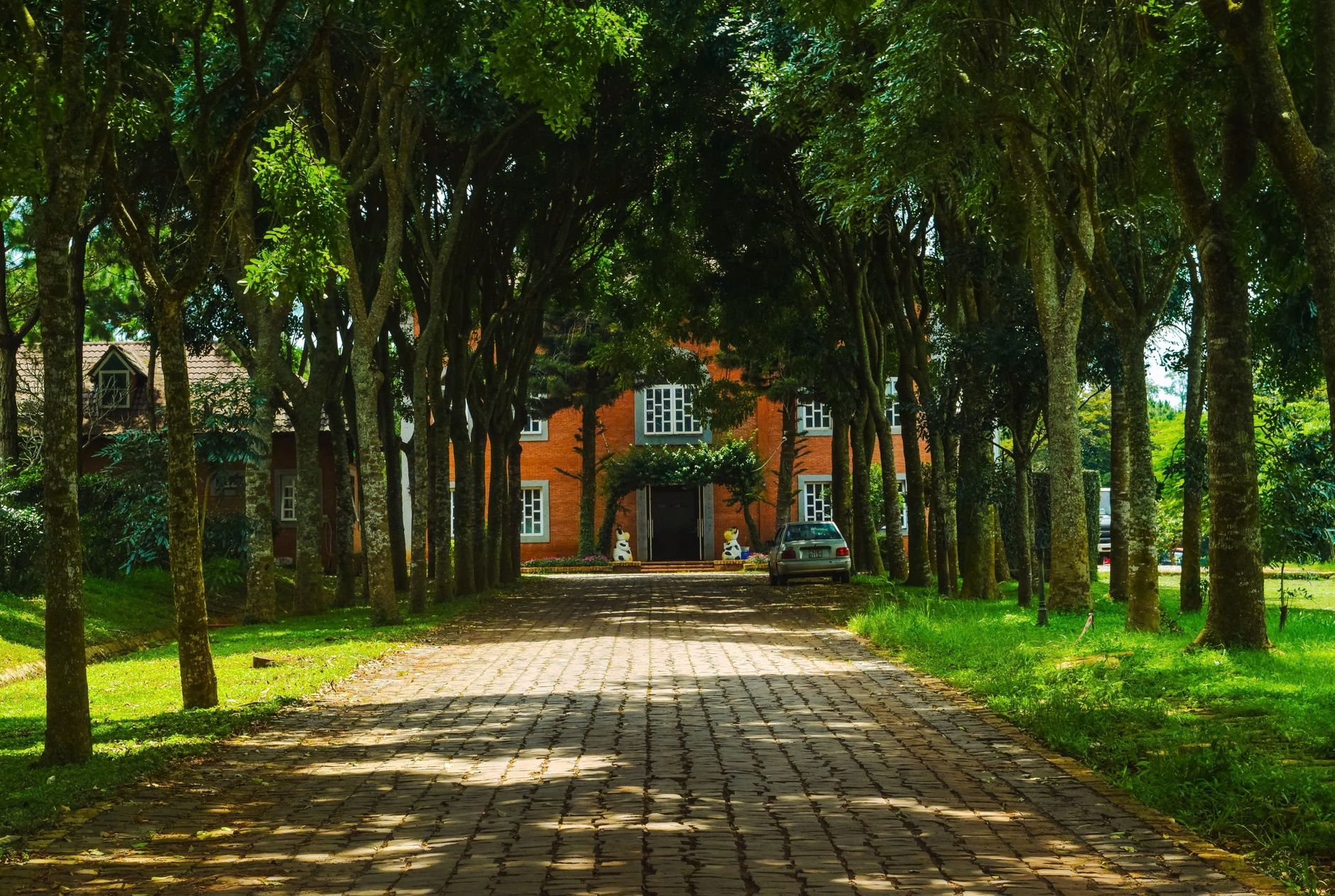
Best Places to Stay in Coorg: Where to Base Yourself
Coorg's appeal lies not in a single focal point but across its valleys, estates and small towns. Where you stay shapes whether you spend mornings walking through coffee plantations, exploring colonial history in the main town, or sitting beside rivers with mist-wrapped hillsides. Unlike hill stations with one obvious town centre, Coorg rewards visitors who choose their base thoughtfully.
Which area of Coorg suits your travel style?
Coorg works best when matched to what you actually want to do. A week soaked in plantation silence demands different accommodation than a long weekend exploring temples and local markets. The decision between staying in Madikeri itself versus the quieter surrounding villages often determines whether you'll have spontaneous dinners with locals or peaceful evenings with birdsong as your soundtrack.
Madikeri Town: Access, Culture, and Practicality
Madikeri remains Coorg's administrative heart and the most straightforward base for first-time visitors. The town clusters around its small but functional market area, where you'll find Government museums, the raja's palace grounds, and streets where locals actually shop rather than pose for photographs. Staying here means grocers, pharmacies and basic restaurants are ten minutes' walk away—useful if you're travelling with elderly relatives or want reliable food options after long days out.
Related: Coorg to Mysore Distance by Road: Complete Travel Guide
Related: Hotels Near Bangalore Palace and Cubbon Park: Where to Stay in Central Bengaluru
Related: Hill View Resort in Coorg: What to Expect & Practical Visiting Guide
The town's appeal is honest rather than scenic. Morning mist does roll through even here, but you're trading atmospheric isolation for practical convenience. You can visit nearby waterfalls (Abbey Falls is 6 kilometres away) and coffee estates on day trips, returning to proper beds with hot water and restaurants serving both Kerala-style fish curries and omelettes. The weekly market activity, particularly on Wednesday mornings, gives a genuine sense of how Coorg functions beyond tourism.
Stay here if you're visiting only 3-4 days, travelling with young children, or want to explore multiple areas without relocating every night.
Kushalpur and Plantation Villages: The Quiet Mornings
Once you venture 15-20 kilometres towards the coffee estates surrounding Kushalpur and villages along the Madikeri-Hassan road, the atmosphere shifts entirely. These areas sit within working plantations where the rhythm follows harvesting seasons rather than tourist seasons. Accommodation here ranges from homestays run by planter families to converted farmhouses, nearly all with coffee bushes literally outside their grounds.
What draws people here is the deeply quiet mornings—authentic quiet, not manufactured. You wake to green slopes in every direction, with mist that doesn't burn off until 9 or 10 in the morning. Many estates allow you to walk their own sections, learning how pepper and cardamom grow alongside coffee. Evenings turn remarkably cool even in summer months, making it easy to sit on verandahs reading or watching local bird species.
The trade-off: restaurants and shops are 5-10 kilometres away. You'll need to plan meals, often eating what the homestay prepares rather than choosing from menus. The isolation that makes mornings magical can feel constraining by day three if you're someone who enjoys spontaneous exploring. Mobile reception can be patchy depending on which hilltop you're on.
Stay here if you're after genuine quiet, spending five or more days, or visiting during coffee blossom season (October-November) when the entire landscape smells like jasmine.
Bhagamandala and Sacred River Confluences
Bhagamandala holds significance for pilgrims visiting the Bhagavati Temple and the Iruppu Falls, where the Kumaradhara River drops spectacularly. The village sits at the convergence of two rivers, making it geographically important to locals—this isn't tourism infrastructure but a genuinely sacred place.
Staying here appeals to those interested in temple culture and the ritualistic aspects of Hindu life. You'll encounter pilgrims bathing in the rivers, morning pujas, and the particular peace of places where spirituality shapes daily rhythms. The walk down to where the falls meet the river is manageable and the water remains cool for bathing year-round.
The downside: Bhagamandala is small and relatively functional. Accommodation is basic rather than luxurious, and dining options cater to temple visitors rather than varied palates. The focus on spirituality and ritual can feel austere compared to the gentler hospitality of plantation villages.
Stay here if religious and natural sites are your priority, you're comfortable with simple facilities, and you're visiting during major temple festivals or early morning when the energy is most distinctive.
Riverside and Trekking Base Areas
Smaller settlements near Abbey Falls, Nisargadhama (the river island park), and areas near /karnataka/pushpagiri-national-park appeal to those planning serious trekking or multi-day nature immersion. These locations sit closer to the Western Ghats' steeper sections and remote streams.
What you gain is proximity to actual forest trails, river crossings, and the chance to spot larger wildlife if you're patient and know what to listen for. Many trekkers and outdoor enthusiasts base themselves here, and guides familiar with lesser-walked routes operate from these areas.
What you sacrifice: creature comforts. Accommodation tends towards basic homestays or forest-friendly lodges. Electricity can be unreliable during monsoons. You're several kilometres from any proper medical facility. Food is whatever the homestay makes, and fresh vegetables depend on what's in season and available from local markets.
Stay here if you're planning 5+ days of trekking, comfortable rough camping, or genuinely immersive wilderness time.
Practical Comparisons: Which Base for How Long?
Three-day visit: Madikeri town or Kushalpur village homestay. Madikeri if your schedule is uncertain; Kushalpur if you've confirmed your plans.
Five to seven days: Kushalpur or another plantation village. This duration justifies the slight inconvenience of distance from shops, and you'll actually settle into the rhythm of quiet mornings and isolated days.
Ten days or more: Split your stay. Four nights in plantation country, then 3-4 nights in a trekking base or near Bhagamandala. This approach lets you experience different aspects of Coorg without the endless logistical complexity of moving accommodation every two days.
Family with elderly relatives: Madikeri town. Familiar comforts, nearby pharmacies and restaurants, and everything reachable without four-hour car journeys.
When Does Location Matter Most?
During monsoon season (June-September), staying in or near Madikeri becomes more practical—flooding occasionally isolates plantation villages, and town-based accommodation means you won't be stranded if roads wash out. Conversely, the October-April dry season opens up remote trekking areas safely and makes plantation villages most appealing.
Consider also what draws you specifically to Coorg. See the /coorg/best-time-to-visit guide to align your travel dates with what's actually happening in each area.
Frequently Asked Questions
How far is Coorg's town from the airport, and should I stay near transport hubs?
Madikeri is 120 kilometres from Mangalore Airport (about 2.5 hours' drive) and 260 kilometres from Bengaluru Airport (roughly 5 hours). Most visitors arrange transfers, so staying 'near' the airport isn't practical. Stay based on what you want to experience, not airport proximity—journey time is unavoidable regardless.
Can I visit Coorg on a long weekend staying only in Madikeri town?
Yes, though you'll miss the plantation village experience. Three days in Madikeri is enough to see local museums, visit Abbey Falls, explore the market, and hike the palace grounds. It's genuine and worthwhile but gives a more functional view of Coorg than village-based stays allow.
Is it better to stay in one place or move accommodation each night?
Stay in one place for at least 3-4 nights. Moving every night wastes time unpacking and repacking, prevents settling into local rhythms, and makes guides or trekking arrangements complicated. Even with ten days, two bases (town plus plantation village, or village plus trekking area) works better than five different locations.
What if I want comfort but also quiet—is there a middle ground?
Madikeri town actually offers this. You'll have modern facilities and restaurants, but Coorg's size means even town-based accommodation is surrounded by forest-covered hills. It's not plantation isolation but genuinely more peaceful than most Indian towns its size.