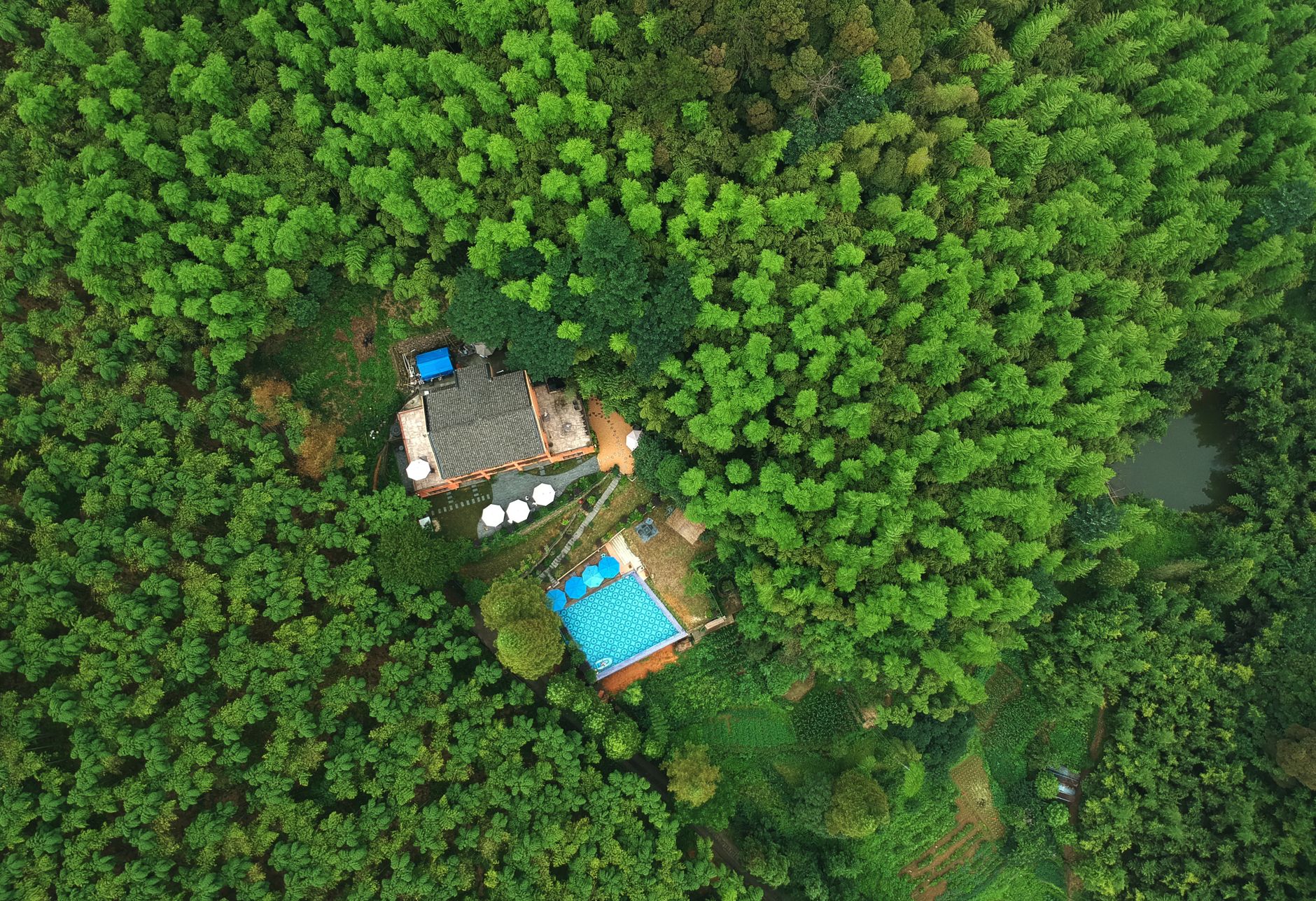
Best Luxury Resorts in Coorg: What to Expect and How to Choose
Coorg's luxury resort landscape reflects the region's dual identity as both a working coffee destination and a retreat for discerning travellers. The finest properties here don't necessarily come with the highest price tag—they're distinguished by their integration into the landscape, quality of service, and thoughtful programming that connects guests to the coffee culture and misty hills that define this corner of the Western Ghats.
When evaluating luxury resorts in Coorg, you're choosing between several distinct experiences: sprawling estates that occupy entire hillsides with multiple dining venues and comprehensive spa facilities; smaller colonial bungalows that emphasise personal service and intimate atmospheres; and contemporary properties designed specifically for couples seeking privacy. The best choice depends on your priorities, travel party size, and what you hope to do during your stay.
What Defines Luxury Here Rather Than Elsewhere?
Coorg's luxury differs from beach resorts or city hotels in important ways. You won't find casinos, nightlife, or urban convenience—what you get instead is space, silence, and genuine engagement with a working landscape. Premium resorts here invest heavily in knowledgeable guides, partnerships with local coffee estates, and kitchens staffed by chefs who understand Coorg's distinctive food culture mixing Kodava, Konkani, and South Indian influences.
Related: Vijayapura with Family: Stays and Things to Do
See also: Sakleshpur in Monsoon: Waterfalls and Green Season Guide
See also: Beach Heaven in Karnataka: Coastal Gems Worth Visiting
The best properties maintain their grounds—often spanning several acres with native forests, cardamom, pepper, and coffee plantations—to standards that feel naturally beautiful rather than manicured. Rooms tend toward spacious, with attention to materials that suit the climate: wooden furnishings that weather well, stone fireplaces for cool evenings, and balconies positioned to capture valley views and morning mist.
How Do You Choose Between Estate Resorts and Intimate Properties?
Estate resorts typically occupy 50+ acres and offer multiple restaurants, spa complexes, activity centres, and conference facilities. They appeal to guests wanting variety—you could hike through coffee plantations in the morning, enjoy an Ayurvedic treatment in the afternoon, and attend a traditional cooking demonstration before dinner. These properties employ 100+ staff and maintain the infrastructure for activities like zip-lining, rappelling, and guided coffee estate tours. They work well for longer stays (3+ nights) and guests who value having options without leaving the property.
Smaller colonial properties and boutique resorts, often occupying 5–20 acres, centre on service depth rather than breadth. You'll get a general manager who remembers your preferences, personalised itineraries planned just for you, and meals often prepared on request. These suit couples, small families, or those seeking quietness above all else. Staff are fewer but typically more experienced in hospitality.
The middle ground comprises contemporary designed properties that blend the two approaches: spacious grounds with selective facilities, strong design language, and curated experiences rather than everything-available-always options.
What Amenities Genuinely Matter in Coorg?
Spa and wellness facilities: Most luxury resorts now include spa spaces, though quality varies wildly. Look for those employing therapists trained in traditional Ayurvedic or Kerala massage techniques—these make sense in context. A basic Ayurvedic consultation included with treatments is useful; day-spa visitors from town should be discouraged (it ruins the tranquility for guests).
Coffee estate access: This should mean more than a one-off tour. The best resorts have partnerships with specific estates where you can spend mornings with pickers during harvest season, see processing methods, and taste different roasts with someone knowledgeable. Some properties run their own small estates.
Dining venues and flexibility: Rather than fancy à la carte menus with European dishes, quality here means restaurants that cook Coorg regional food well—expect Kodava preparations, fresh-caught fish from local rivers, and spice levels that reflect actual regional palates. Multiple venues help longer stays, but consistency matters more than quantity.
Activity programming: Guided walks with naturalists, bird-watching (Coorg has over 250 bird species), visits to local spice markets, and encounters with tribal communities should be available. Avoid packaged 'tribal village tours'—ethical operators spend time building relationships and ensure visits benefit the communities.
Connectivity without intrusion: Reliable Wi-Fi in your room is reasonable; what's less acceptable is being expected to answer emails during a retreat. The best properties quietly accommodate those who need it without making it a feature.
Location Considerations
Coorg has distinct pockets. Central Coorg around Madikeri town sits at highest elevation with the most dramatic hill views but can feel touristy. The Virajpet and Kushalnagar area spreads across gentler slopes with abundant plantations—quieter and more agricultural. Lower-lying southern Coorg around Gonikoppal remains less developed.
Luxury resorts scattered throughout these zones means your location choice affects your experience more than your star rating. A well-positioned property in quieter southern Coorg might feel more exclusive than a centrally-located larger resort, simply by virtue of isolation. Morning mist and afternoon cloud cover are more reliable at higher elevations (around 1200m+).
What to Genuinely Ask When Comparing Properties
Ask about staff roles: Hotels that can clearly explain who works seasonally versus year-round, and whether management (particularly the chef and activities coordinator) remain consistent, typically maintain better service.
Enquire about estate partnerships: Vague answers about 'local connections' suggest no real relationships. Specific responses naming estates, owners, and what you can actually do there indicate genuine engagement.
Check meal inclusion policy: All-inclusive sounds good until you discover breakfast is 7–10am only, or you're charged for dining outside set mealtimes. Clarity here matters more than what's technically included.
Ask about water sourcing and sustainability practices: Mountain resorts heavily depend on water. Those with rainwater harvesting, treated wastewater systems, and transparent practices around resource use are investing in their long-term viability and impact.
Clarify accessibility: Coorg's terrain is hilly and often steep. If mobility is a concern, ask specifically about terrain around your room, bathroom features, and realistic activity options rather than accepting generic assurances.
Seasons and Timing
Months May–June and September–November represent peak seasons when you'll encounter other guests and resorts operate at capacity. These periods coincide with harvest season, making estate visits particularly worthwhile but also busier.
December–February offers clear skies, cool mornings, and fewer crowds. Accommodation is still available and often at better rates. This period suits guests prioritising comfort and landscape photography.
June–August means monsoon rains—cloud-wrapped mornings, dramatic landscape changes, and lush greenery. Many resorts reduce rates substantially. Hiking becomes challenging but birdwatching improves, and the whole region feels more private.
March–April gets dry and hot, best avoided unless you're specifically seeking this climate.
Getting the Most from Your Stay
Arrive without a fixed itinerary. Let the property's team suggest half-day excursions based on weather and estate schedules. Spend at least one morning actually working—picking coffee or spice—even briefly. Talk to estate owners and workers rather than remaining in the resort bubble. Early mornings before activity peaks bring the best wildlife encounters and genuine quiet.
Most importantly, check your expectations about luxury at the door. Coorg's appeal lies in removal from noise and standards you already know. The best resorts amplify that—not by providing international resort conventions in a rural setting, but by offering genuine comfort within a landscape's natural rhythms.
FAQ
What's a realistic daily rate for luxury in Coorg? Expect ₹8,000–20,000+ per night depending on season and property positioning. Premium resorts may charge more. Longer stays often negotiate discounts; many properties prefer 3+ night bookings.
Do I need to hire a taxi for excursions or are transfers included? Most luxury resorts include certain activities (coffee estate tours, market visits) but charge for vehicle hire beyond the property. Establishing what's included and negotiating a package rate when booking helps clarify costs. Having your own transport provides flexibility.
Is it worth visiting during monsoon if the weather's uncertain? Absolutely, if you enjoy rain and don't mind that some treks become impassable. Biodiversity peaks, prices drop sharply, and the landscape's drama intensifies. Resort infrastructure handles the weather well. Schedule flexibility helps.
Can vegetarians eat well at luxury resorts here? Yes. Coorg's regional cuisine includes excellent vegetable-based dishes—spiced jackfruit curries, ginger-based preparations, and fresh greens. Inform the property in advance; quality properties adapt menus thoughtfully rather than offering token substitutes.