Belur with Family: Stays and Things to Do
Belur is a wonderfully manageable temple town for families, centred on the magnificent Belur Channakeshava Temple. Beyond its architectural treasures, the surrounding Hassan district offers forested hikes, peaceful riverside walks, and a relaxed pace that suits children and adults alike. We've picked stays and activities that genuinely work for family groups.
Where to Stay in Belur as a Family
Belur's accommodation ranges from modest guesthouses to small boutique properties. Most families find 2–3 nights here enough—the town itself is quiet and compact.
For comfort with good value: Sunshine International Boarding & Lodging (3-star, 8.3/10) sits near the main temple area and offers clean, straightforward rooms with vegetarian meals. It's dependable rather than luxurious, but families appreciate the central location and knowledgeable staff who know local routes.
Related: Best Season to Visit Hampi: Month-by-Month Reality
See also: How to Reach Hampi from Bangalore: Train, Bus and Drive
See also: Malnad Grand Inn Bengaluru: Location, Rooms & Visitor Guide
For a resort experience: Dwarasamudra Resort Belur (3-star, 7.6/10) gives families more space and gardens to explore. It's named after the ancient kingdom and has a calm, unhurried atmosphere. Children have room to move about between activities.
For a riverside retreat: WaterView Holiday Retreat (3-star, 9.0/10) sits along water and appeals to families seeking quieter mornings and simple pleasures—watching birds, sketching, paddling in shallow areas. The small number of reviews reflects its intimate size, which is actually a bonus for families who prefer less crowded properties.
For something special: Pepper Corn Retreat by Travent Mug (4-star, 8.5/10) is a short drive away and offers more polished facilities if your family values better facilities and landscaped grounds. It's worth the slightly higher tariff if you're celebrating something.
If you're seeking homestay warmth, HALASE HOMESTAY (5-star, 9.6/10) provides immersive family stays with home-cooked meals and local knowledge—though check availability, as it takes very few guests.
Family-Friendly Things to Do in Belur
Visit Belur Channakeshava Temple
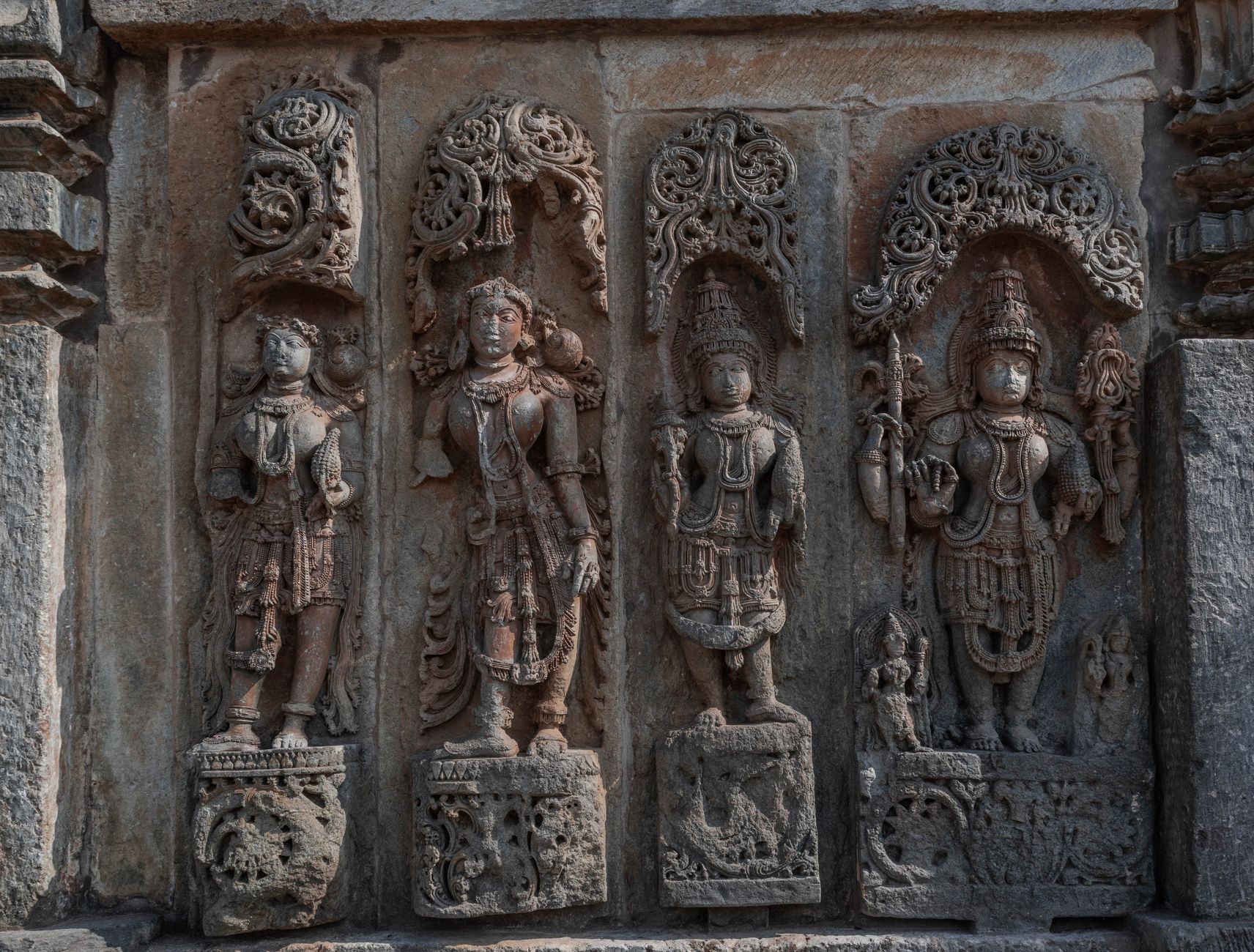
The 11th-century temple is the heart of Belur. Its carved pillars, stone sculptures, and intricate jallis (stone screens) captivate children old enough to notice detail. The main shrine is cool and atmospheric—a relief on hot days. Hire a local guide (available near the entrance) to translate the stories in the stonework; children respond well to mythology told on site. Early morning (6–7 a.m.) is quietest and best for photos.
Seasonal note: October to February is ideal—the temple grounds are pleasant without the oppressive heat of April–May or the heavy monsoon humidity of July–August.
Explore Halebeedu (45 minutes, same day trip)
The nearby Hoysaleswara Temple rivals Belur in grandeur. Halebeedu is slightly busier but equally rewarding. The rock-hewn sculptures include animals and dancers that capture children's imagination. Pack water and hats—there's little shade. Combine both temples in one long morning (start 7 a.m.) and rest in the afternoon.
For lodging near Halebeedu, KSTDC Hotel Mayura Shantala Halebeedu (2-star, 7.4/10) is a state-run option with basic comfort and proximity to the temple.
Walk Along the Hemavati River
Belur sits on the Hemavati, and riverside paths offer gentle family strolls. The water is calm in dry season (November–May); in monsoon it swells and moves fast. Walk in early morning when water birds are active and the light is soft. Bring binoculars if anyone in your family enjoys birdwatching. It's a chance to move away from temples and soak in the landscape—palm trees, eucalyptus, occasional forest patches.
Visit the Belur Museum
A small, understated collection of local archaeology and temple artifacts. It's not a blockbuster but gives context to what you're seeing. Children under 10 may find it slow; older kids who've engaged with the temples get more from it.
Day Trips from Belur
Yagachi Dam (20 km, 40 minutes): A scenic picnic spot with a reservoir. Bring a packed lunch and let children run on open grass. The dam itself is modest, but the setting—forested banks and water—is peaceful. Best in dry season when the water level is visible and photogenic.
Hassan town (30 km, 45 minutes): If Belur feels too quiet, Hassan offers shops, restaurants, and a bus stand. The WebSphere Museum (small, free) might interest older kids curious about Karnataka's IT history.
Sakleshpur hill station (60 km, 90 minutes): For families wanting a slightly cooler, more forested day trip. Roads are winding but well-maintained. Coffee plantations dot the landscape. Visit a working estate if your family enjoys agricultural walks.
Read more about the broader region at Hassan and nearby Mananthavady for trip planning.
Seasonal Considerations for Families
November–February (dry season): The best time. Temperatures range 15–28°C. Mornings are crisp, afternoons warm. Temples are comfortable to walk around. Riverside paths are dry and safe. Humidity is low. This is when most families visit Belur.
March–May (summer): Hot and dry. Days exceed 35°C; early mornings and late afternoons are the only comfortable times outdoors. Temple visits are feasible if you start very early. Rivers shrink. Not ideal for young children or families who tire easily in heat.
June–September (monsoon): Heavy rainfall, especially July–August. Rivers swell and paths become treacherous. Temple grounds remain accessible but can be slippery. The landscape is lush and green—beautiful for photography—but outdoor activities are limited. Fewer tourists means quieter temples. Only choose this season if your family enjoys monsoon scenery and flexibility.
Practical Tips
- Food: Most hotels serve vegetarian South Indian meals (idli, sambar, dosa). Non-veg options are limited; ask your hotel ahead of time if needed.
- Transport: Hire a car and driver for 2–3 days (roughly ₹2,500–3,500/day). Public buses run to Halebeedu and Hassan but are slow for families with young children.
- Guides: Temple guides (₹300–500) are worth it for children and first-time visitors.
- Sunscreen and hats: Essential year-round, especially November–May.
- Toilets: Public facilities near the main temple are basic. Use your hotel's facilities when possible.
Comparison: Belur vs. Nearby Alternatives
If you're torn between Belur and other Karnataka temple towns:
- Belur vs. Sravanabelagola (60 km south): Sravanabelagola's giant Jain statue and monastic history appeal to older children and architecture enthusiasts. Belur's temple is more carved detail and riverside walks suit younger families.
- Belur vs. Mysore (90 km south): Mysore Palace is grander and more famous, with better restaurants and a zoo. Belur is quieter, less touristy, and better for families seeking contemplation over spectacle.
- Belur vs. Chikmagalur (50 km north): Chikmagalur focuses on hills, coffee, and trekking. Belur focuses on temples and leisurely walks. Combine both for a well-rounded 4–5 day trip.
FAQs
How many days should a family spend in Belur? Two to three days is ideal. One day for Belur and Halebeedu temples, one day for riverside walks and rest, one day for a day trip (Yagachi, Sakleshpur, or Hassan) or simply more time in the temples. Longer stays suit families who enjoy quiet, slow travel.
Is Belur safe and suitable for very young children (under 5)? Yes. The town is small, traffic is light, and locals are welcoming. Temple floors can be hot on bare feet—bring light sandals. Pushchairs are impractical on uneven paths; carriers are better. Ensure someone in your group is comfortable carrying a tired toddler.
What's the best time to visit Belur with children? November to February. Temperatures are mild, humidity is low, and rain is rare. March–May is possible but requires very early starts and midday rest. Monsoon (June–September) is too wet for comfortable walking and temple visits.
Are there good restaurants in Belur? Restaurants are modest. Most family-friendly meals are at hotels or simple local eateries serving idli, dosa, and rice dishes. Belur is not a food destination; come prepared to eat vegetarian, South Indian fare.