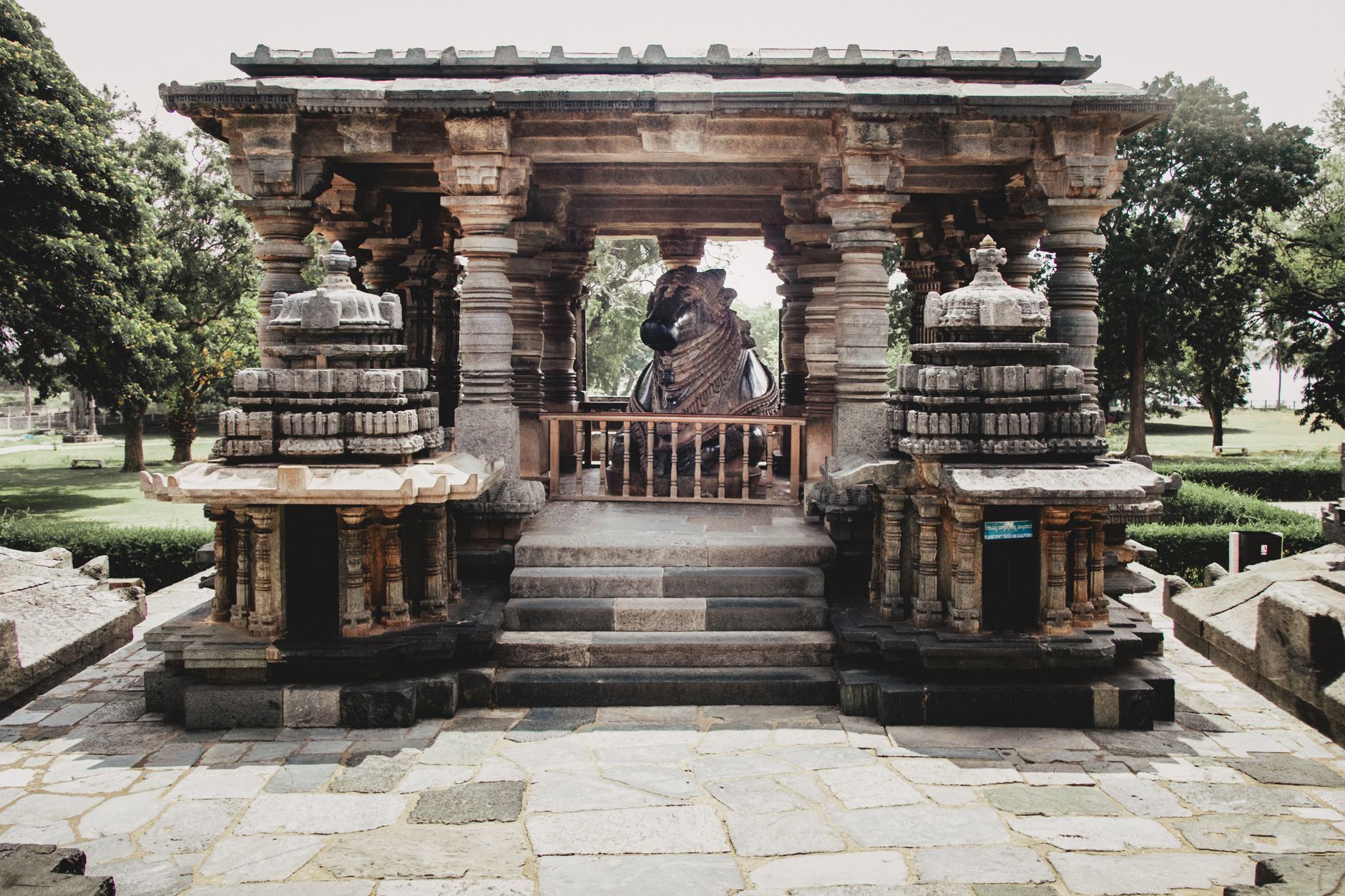
Akshaya Bull Temple Bangalore: History, Visiting Guide & Significance
The Akshaya Bull Temple in Bangalore is one of the city's most distinctive sacred spaces—a shrine where Nandi, the sacred bull and devoted follower of Lord Shiva, is venerated as the principal deity rather than a secondary figure. It's a rare temple in India that places such prominence on the bull, making it spiritually and culturally significant for devotees and curious visitors alike.
What Makes Akshaya Bull Temple Special?
Nandi holds profound symbolic meaning in Hindu philosophy. Revered as Shiva's vahana (vehicle), the bull represents strength, righteousness, service, and unwavering devotion. Most temples feature a Nandi statue facing the sanctum; Akshaya Bull Temple inverts this tradition entirely, making Nandi the object of worship itself.
The temple's name—Akshaya, meaning 'eternal' or 'imperishable'—reflects the belief in the eternal nature of the divine and the enduring protection the bull deity offers to its devotees. Visitors often report a palpable sense of calm upon entering, attributable both to the serene temple atmosphere and the symbolic strength the bull represents.
Related: Where to Eat in Sakleshpur: Local Food Guide
See also: Mysore Palace Illumination: When to See It and Photo Tips
Related: Best Resorts in Coorg for Couples: Top Picks & Honest Reviews
Location and How to Reach It
The Akshaya Bull Temple is situated in Bangalore's older, more heritage-rich districts. The exact location has made it somewhat of a hidden gem—not as prominent as major temples like the Iskcon Temple or Kempegowda Temple, yet deeply revered among regular worshippers and those seeking quieter spiritual spaces.
Getting there:
- By auto-rickshaw or cab: Ask locals or use GPS; the temple is well-known in its neighbourhood
- By public transport: BMTC buses serve the area; confirm the nearest stop with locals before travelling
- By car: Street parking is available, though space can be tight during festival seasons
The temple is typically less crowded than central Bangalore's major shrines, offering a more intimate darshan experience.
Visiting Hours and Best Times to Visit
Most temples in Bangalore open early in the morning (around 6–7 am) and close in the evening (around 8–9 pm). Specific hours for Akshaya Bull Temple may vary, so contacting local authorities or the temple administration before your visit is wise.
Best times to visit:
- Early morning (6–8 am): Peaceful, fewer crowds, ideal for meditation
- During major Hindu festivals: Shivaratri and Navaratri see special pujas and larger gatherings
- Weekday mornings: Less crowded than weekends
- Avoid: Peak lunch hours and early evening when the temple can become busy
Spiritual Significance and Rituals
Nandi worship at this temple centres on the belief that honouring the bull deity brings blessings of strength, protection, and spiritual progress. The temple follows traditional Hindu rituals:
- Darshan: Devotees approach the Nandi idol for blessing and spiritual communion
- Offerings: Flowers, coconuts, and incense are common offerings
- Pujas: Regular and special ceremonies are conducted by temple priests
- Circumambulation: Devotees walk around the sanctum as an act of devotion
Many visitors feel a spiritual resonance when meditating near the Nandi idol, drawn to the bull's symbolism of patient strength and faithful service.
Architecture and Temple Features
While Akshaya Bull Temple is more modest in scale compared to Bangalore's grander temples, its architecture reflects traditional South Indian design principles. The sanctum houses a beautifully sculpted Nandi idol, often adorned with flowers and sacred symbols during festivals.
The temple space, though compact, is thoughtfully designed to create a focused atmosphere for worship. The presence of ancient architectural elements suggests the temple has roots stretching back several centuries, though precise historical records require verification with temple authorities.
Comparison with Other Bangalore Temples
Bangalore has several major temples, each with distinct qualities:
| Temple | Primary Deity | Atmosphere | Best For |
|---|---|---|---|
| Akshaya Bull Temple | Nandi | Quiet, intimate | Spiritual seekers, Nandi devotees |
| Iskcon Temple | Krishna | Vibrant, crowded | Festival celebrations, large gatherings |
| Kempegowda Temple | Shiva | Traditional, well-maintained | Heritage exploration, cultural interest |
| Someshwara Temple | Shiva | Historic, riverside | Photography, historical study |
If you're seeking a quieter, more contemplative temple experience centred on a unique deity, Akshaya Bull Temple offers something distinctly different from Bangalore's mainstream religious spaces.
Practical Visiting Tips
- Dress modestly: Remove shoes before entering the sanctum; wear traditional or conservative clothing
- Photography: Check with temple staff before taking photographs; some areas may restrict it
- Offerings: Buy flowers and incense from vendors outside the temple if you wish to make offerings
- Donations: Small donations support temple maintenance; amounts are entirely voluntary
- Cleanliness: Follow temple etiquette—maintain silence in prayer areas and respect ongoing rituals
- Local guides: Temple priests or local shopkeepers nearby can share fascinating stories about the temple's history
Why Visit Akshaya Bull Temple?
Beyond its religious significance, the temple offers:
- Spiritual tranquility: An escape from Bangalore's urban bustle
- Cultural understanding: Insight into Hindu mythology and Nandi symbolism
- Unique worship tradition: Experience a temple where the bull is the central focus rather than a secondary element
- Community connection: Observe how local devotees practise their faith
FAQs
Is Akshaya Bull Temple open to non-Hindus? Yes, most Hindu temples in Bangalore welcome visitors of all faiths and backgrounds. Maintain respectful conduct, follow dress codes, and honour ongoing rituals.
What is the significance of Nandi in Hinduism? Nandi symbolises strength, loyalty, righteousness, and unwavering devotion to Lord Shiva. Worshipping Nandi is believed to grant protection, courage, and spiritual progress.
How long should I spend at the temple? A typical visit lasts 30 minutes to an hour, depending on how much time you wish to spend in meditation or prayer. Come early in the morning for a more peaceful experience.
Are there facilities like washrooms or water? Most temples have basic facilities. It's best to ask temple staff upon arrival. Carry water if you prefer, especially on warm days.