Things to Do in Mangalore: Attractions and Local Tips
Mangalore is Karnataka's jewel on the Arabian Sea—a working port city that feels refreshingly unhurried despite its commercial energy. Expect fragrant spice warehouses, 9th-century temples, crescent beaches where fishermen still cast nets at dawn, and some of India's finest seafood. The best experiences here are often found by walking, talking to locals, and being willing to get salt spray on your skin.
What are the unmissable temples in Mangalore?

Mangaladevi Temple sits in the heart of the old city, its 9th-century carved stone walls and brass gopuram drawing pilgrims and architecture lovers alike. The temple gives the city its name, and visiting during morning aarti (around 6 a.m.) means you'll witness oil lamps and flowers in golden light, with genuinely devoted crowds and the smell of jasmine and sandalwood thick in the air. It's a 10-minute walk from the city centre.
Sri Manjunatha Temple in nearby Pandeshwar feels older still—its intricate stone carvings tell stories of Shaivite devotion from centuries past. The inner sanctum is cool and dim; the outer courtyard opens to sky. A local priest will often explain the temple's history if you show genuine interest.
Related: Bisle Ghat viewpoint drive from Sakleshpur
See also: Coorg with Kids: Family-Friendly Stays and Activities
See also: Chikmagalur with Family: Stays and Things to Do
St. Aloysius Chapel (the painted church) deserves a visit regardless of faith. Its Belgian-designed interior murals are extraordinary—cream walls covered in biblical scenes rendered in soft blues and ochres, with light filtering through tall windows. It's serene and genuinely moving.
Where should you walk and explore?

Old Mangalore, around the Mangaladevi Temple and Lightjars area, is where the city's soul lives. Narrow lanes tangle between spice shops, small cafés, and residential buildings that lean toward the street. The air smells of cardamom, pepper, and cinnamon—Mangalore was once the spice capital of the region. Walk early (6–8 a.m.) when shop shutters are rolling up and locals are buying flowers or having chai. You'll see merchants sorting dried chillis, street vendors frying savoury snacks, and genuine daily life unfolding.
Hampankatta area is more commercial but lively—good for grabbing lunch, watching the flow of the city, and finding bookshops and local shops that don't cater solely to tourists.
Which beaches are worth visiting?

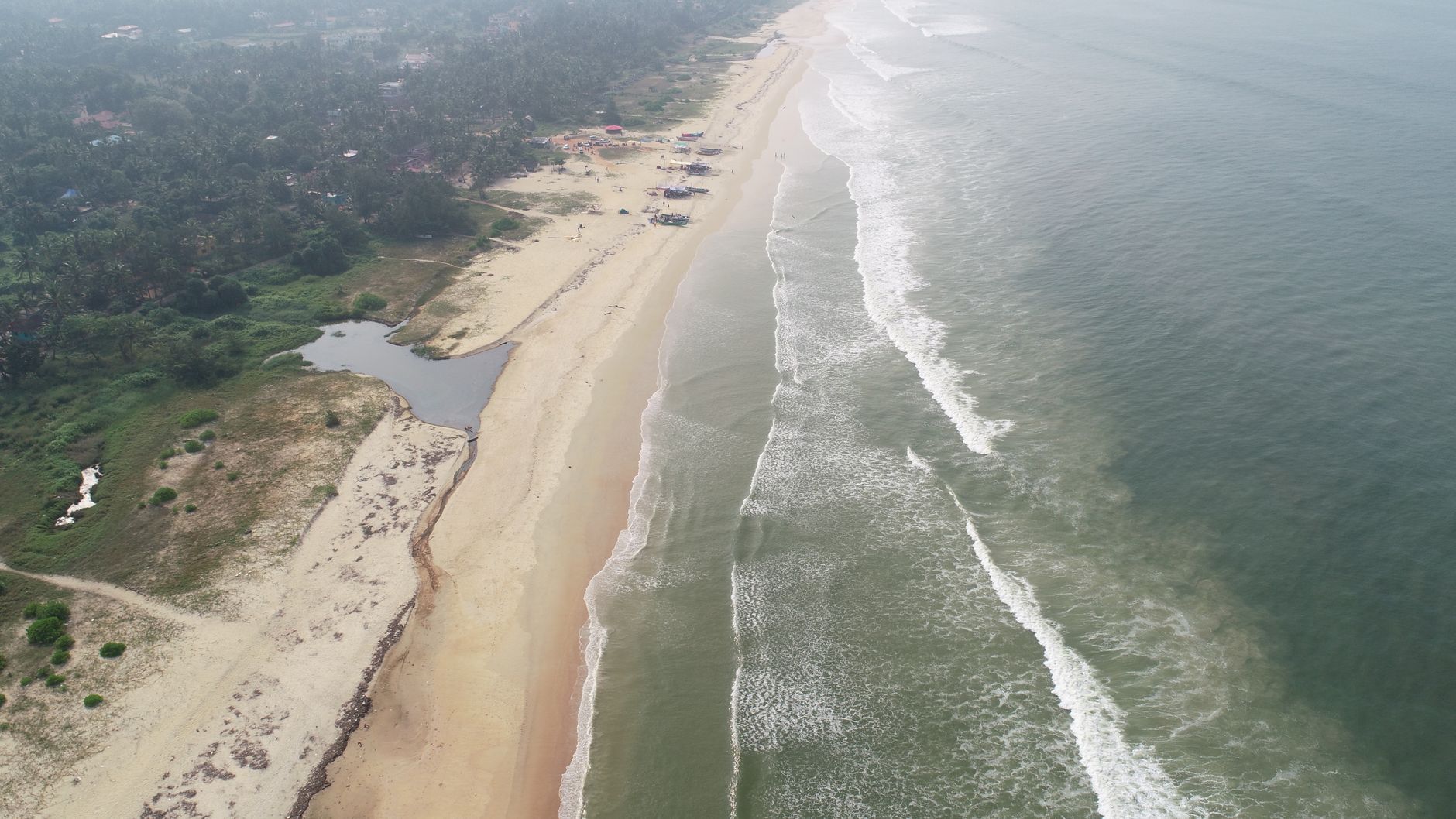
Tannirbhavi Beach is Mangalore's cleanest and most popular—a 15 km drive north from the centre. The sand is fine and beige, the sea clean enough to swim in during dry season (November to May). Sunset here is luminous; you'll see fishing boats returning, locals walking with families, and the light turning the sea into molten copper. There's a small temple and a few shacks serving fresh kingfish and prawn. Go on a weekday if you prefer fewer crowds.
Panambur Beach, closer to the city, is busier and noisier—dotted with water sports operators and small restaurants. It's good for a quick visit, but Tannirbhavi is worth the slightly longer journey.
Ullal Beach, 15 km south, is quieter still and bordered by Ullal village. The Ullal Dargah (shrine) sits near the shore, and the village fish market is colourful and animated early in the morning. This is where you go if you want atmosphere without crowds.
What's the spice market experience really like?
Mangalore's spice trade is legendary but not heavily packaged for tourists. Walk through Old Mangalore's shop lanes around Mangaladevi Temple and you'll find merchants who've handled cardamom, pepper, turmeric, and cloves for decades. Many will talk openly about their sourcing and grading. Prices are fair—these are wholesalers, not shops, so negotiate gently and be genuine about your interest. Buy small quantities unless you're stocking a kitchen; the flavours here are potent.
Spice Market near Barke Road is busier and more commercial, but worth an hour of exploration. The sensory overload—the dust of turmeric, the sting of chilli powder, the sweetness of cinnamon—is real and genuine.
A local tip: If you're serious about spices, ask your hotel to introduce you to a merchant. A personal introduction opens doors and conversations.
Where should you eat?
Mangalore's seafood is exceptional. The coastal catch is landed daily and cooked within hours. Head to Tannirbhavi Beach shacks for grilled kingfish and coconut-laden curries at sunset. Old Mangalore fish restaurants—family-run places without English menus—serve the most authentic dishes: Mangalorean fish curry (made with roasted coconut and spices), crab masala, and prawn gassi. Expect paper tablecloths, honest portions, and genuine flavour.
For sit-down dining with views, the restaurants in hotels like Goldfinch Hotel Mangalore and Hotel Sai Palace Mangalore serve good coastal cuisine in comfortable surroundings.
When is the best time to visit?
Mangalore is warm year-round. Dry season (November to May) is ideal: beaches are swimmable, humidity is lower, and the light is crisp. December to February are the busiest months—temperatures hover around 25–28°C, and the sea is calm.
Monsoon (June to September) brings heavy rainfall and rough seas, but the landscape becomes lush and the spice markets are particularly vibrant (harvesting season). If you're coming for culture and food rather than beaches, monsoon is less crowded and atmospheric—just bring waterproofs.
Where should you stay?
For a central base near temples and Old Mangalore, Hotel Ganga Sagar and Hotel Heraa International are both well-positioned and honest value. For more comfort, Goldfinch Hotel Mangalore (8.2/10 rating) offers 4-star facilities and good service. Royal Plaza Suites by RAK Rooms and Hotel Sai Palace Mangalore both score highly (8.5 and 8.9/10 respectively) and sit close to the commercial heart.
For beach proximity, Tannirbhavi accommodation is limited; most visitors day-trip and return to the city for dinner.
Day trips and longer stays
If you have two days, combine Mangalore with a visit to the Western Ghats or nearby Coorg—both are 2–3 hours inland and feel like stepping into a different world of misty forests and coffee plantations. The contrast is worthwhile.
FAQ
How many days should I spend in Mangalore? Two full days allow you to see temples, walk Old Mangalore, visit a beach, and eat unhurriedly. One day is possible but feels rushed—you'll miss the layered experience of the place.
Is it safe to walk alone, especially at night? Old Mangalore and temple areas are safe and well-lit in the evening. Stick to main roads after dark. Women travellers report feeling comfortable here more than in many Indian cities, though common sense applies.
What's the best local souvenir? Spices are the obvious answer and genuinely valuable. Small jars of Mangalore cardamom or Coorg pepper are portable and useful. Handwoven cotton from local weavers is also lovely, though less distinctive to the city itself.
Can I visit temples as a non-Hindu? Yes. Most temples welcome visitors respectfully. Remove shoes, dress modestly, and avoid the innermost sanctum if signs request it. Photography is usually permitted outside the sanctum. Mangaladevi Temple is particularly welcoming to respectful visitors.